How to buy a house in Virginia
Contributed by Tom McLean
Dec 10, 2025

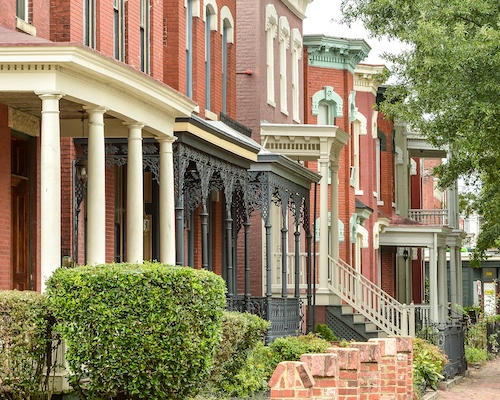
Virginia combines traditional charm and historic culture with modern cities and job opportunities. It’s a state where the home market has a wide range of prices. While homes in some areas are more expensive than in neighboring Southern states, there also are many affordable areas of Virginia.
If you’re looking to move to Virginia, either for work or a change of scenery, it’s a good idea to know what to expect when buying a house in Virginia.
Key takeaways:
- Virginia’s housing market varies by location: Home prices and competition differ widely across the state, with higher costs in Northern Virginia and more affordable options in rural and smaller metro areas.
- Understanding local trends can shape your strategy: Median home prices, days on market and seasonal demand can affect how competitive your offer needs to be when buying a home in Virginia.
- Preparation helps you buy with confidence: Knowing your budget, loan options and the state’s market dynamics can help you move quickly and make informed decisions as a Virginia home buyer.
Virginia’s housing market: At a glance
Here’s an overview of the housing market in Virginia, as of October 2025.
| Virginia’s Housing Market | |
|
Median home price, single-family |
$466,600 |
|
Median days on the market |
40 |
|
Number of homes for sale |
36,326 |
|
Peak selling seasons |
Spring and summer |
|
Fastest growing sales price (year-over-year) |
Salem (42%), Winchester (29%), Hopewell (21%) |
See what you qualify for
Understanding the housing market in Virginia
There are a few key things that anyone buying a home in Virginia should know before starting their search.
The median home price is $466,600
Homes in Virginia sold for a median price of $466,600 in October 2025, an increase of 4.2% from October 2024. The number of days homes sat on the market increased to 40, up 7 days. Also, 28% of home sold for more than the listing price, an increase of 5.6% year over year, suggesting a healthy housing market that's not overly competitive.
Many factors determine the sale price of a home in Virginia, including:
- The type of home. Single-family homes are typically more expensive than condos and townhouses.
- Urban locations. Places like Arlington and Fairfax command higher prices thanks to job density and commuter demand. For instance, Fairfax's median single-family home sales price in October 2025 was $720,000.
- Rural value. In counties such as Sussex or outlying parts of Chesapeake, you can find larger properties for less.
- Fair market value. Every property is unique, and its fair market value is determined by factors such as recent sales of comparable homes, condition, features, schools, taxes, and the neighborhood.
The home affordability calculator from Rocket Mortgage® can help you estimate exactly how much house you can afford.
Market trends and inventory
Virginia housing market trends show a state in transition. Redfin reports that more than 5,000 people searched to leave the state than to move into the state.
Although the number of single-family homes for sale nationwide is up 10.2%, from last year, overall inventory is still tight. And although Virginia’s home inventory has increased slightly more than the national average, by 13.1%, it’s still not a surplus.
If you’re new to the state or the market where you want to live, an experienced local real estate agent or REALTOR® can help you navigate shopping for and buying a home.
Spring and summer are peak shopping seasons
Spring and summer see the most home listings and the most activity. This is when the weather allows homeowners to show off their properties in the best light.
Of course, the best time to buy a house is subjective. Buying a home in winter, when buyers are scarcer, could land you a bargain. You might have fewer homes to choose from, but you’ll have less competition.
Take the first step toward the right mortgage
Apply online for expert recommendations with real interest rates and payments
7 steps to buy a house in Virginia
Here are the steps to buying a house in Virginia.
Step 1: Check your credit and set a budget
It’s important to understand all the costs involved in buying a home, especially if you’re a first-time home buyer. Up-front costs include the down payment and closing costs, which cover everything from lender fees and the home inspection to government fees for transferring legal ownership.
The free mortgage calculator from Rocket Mortgage can help you estimate how much house you can afford and how much you need saved up.
You’ll also want to check your credit report and credit score. Most loans have a minimum credit score requirement. Additionally, a higher credit score also can get you a lower mortgage rate, which reduces your monthly payment and saves you money overall on the loan.
Step 2: Decide on the type of financing you want
Next, weigh your home financing options. Conventional loans are the most common type of home loans. Government-backed loans are for specific buyers. The most common programs are offered by the Federal Housing Administration, Veterans Affairs, and the U.S. Department of Agriculture. Each has its pros and cons:
Each loan type has its own criteria and methods for determining mortgage rates, down payment amounts, whether mortgage insurance is required, and more.
|
Criteria |
Conventional loans |
|||
|
Minimum down payment |
3% – 5% |
3.5% |
0% |
0% |
|
Minimum credit score |
620 |
580 with 3.5% down, some lenders allow a score of 500-579 with 10% down. |
Flexible |
Flexible |
|
PMI is required if the down payment is less than 20% |
MIP required |
Up-front and annual VA funding fee may apply |
Up-front and annual guarantee fee |
|
|
Income limit |
None |
None |
Nones |
Must be within the low- to moderate-income limit in the area |
|
Debt-to-income ratio |
Up to 49% |
Up to 50% (varies by lender) |
Up to 41%, some flexibility |
Up to 41%, some flexibility |
|
Other requirements |
Strong credit history and steady income |
Home must meet the FHA appraisal standards |
Military service and Certificate of Eligibility required |
Home must meet USDA standards and be in a rural area |
Step 3: Apply for mortgage preapproval
Getting mortgage preapproval before shopping for homes, especially in competitive markets, is a good move. Preapproval tells you how much house you can afford, making shopping for a home easier, more efficient, and more enjoyable.
It also can make you a more competitive buyer by showing agents sellers you are ready to buy a home.
To get preapproved, you’ll provide your lender with financial documents, such as proof of employment, savings, and income. They’ll check your credit and preapprove you for a specific loan amount. The process typically takes a few days.
Step 4: Hire a real estate agent or REALTOR® in Virginia
A good real estate agent or REALTOR® knows the local market and the nuances of buying and selling in the area. To find an agent, ask for referrals and check recent sales in the area you're looking at.
It’s a good idea to interview a few agents to make sure they’re knowledgeable and aligned with your goals. And always make sure their license is up to date.
You might also run into a situation called dual agency. In Virginia, it’s legal for an agent to represent both the seller and the buyer in a transaction. The agent must disclose this to both sides.
Legally, they have an obligation to negotiate in your best interests, but they have the same responsibility to the seller. If you encounter dual agency, make sure you’re comfortable with it.
Step 5: Start house hunting
This is the fun part – take your time and enjoy it. A good starting point is to search through online sites like Redfin. This gives you an initial feel for the Virginia market. Next, drive around neighborhoods you’re interested in to get a feel for them.
Another great resource is the multiple listing service, which your agent can access. It lists all the specifics of the home, including the asking price, size, and other key metrics.
When shopping for properties, consider factors such as:
- School districts
- Local amenities, such as shopping, medical services, recreation, and roads
- HOA fees and rules
- Commute times
- Property taxes, which vary by municipality
Step 6: Make an offer and negotiate
When it’s time to make an offer, your agent will walk you through the process.
The sale-to-list price in Virginia is 98.9%, meaning homes typically sell for an amount very close to the asking price. In October 2025, 30% of single-family homes and 28% of all home types were sold above the asking price.
That doesn’t mean there’s no room for negotiation. First, you’ll need to make an offer that the seller accepts. You may want to offer an earnest money deposit, which shows the buyer you’re serious about buying their property. If you end up buying the home, this money goes toward your down payment.
Just make sure you have a home inspection and appraisal contingency clause in your purchase and sale agreement, so if problems are found with the home you can cancel the sale and get back your deposit.
Step 7: Apply for a mortgage and close the sale
After making an offer on a home and the offer is accepted, you'll apply for a mortgage. The lender will underwrite the loan, verify your finances and make sure you can afford the loan. The home will be appraised and inspected, a title search will be ordered, and you'll need to find a homeowners insurance policy.
At least 3 business days before closing, your lender will provide a Closing Disclosure with your final loan terms and closing costs. Expect closing costs to total 3% – 6% of the loan amount. Many factors can affect the amount of closing costs, including whether you paid points to lower your interest rate. You can try to negotiate closing costs to save money.
Closing costs typically include loan origination fees, mortgage points, title insurance, escrow fees, recording fees, possibly property taxes, insurance, and some inspections.
Once you've made your down payment, paid your closing costs, and signed all the paperwork for your loan and the sale, you'll own a home in Virginia.
FAQ
Here are answers to common questions about buying a house in Virginia.
How much do I need to buy a house in Virginia?
The amount you need to buy a house in Virginia depends on several factors. However, many lenders require you to earn enough that your mortgage payment and other recurring debt don’t amount to more than 36% of your income.
What credit score is needed to buy a house in Virginia?
The minimum credit score to get a mortgage varies by loan type. For instance, a credit score of at least 580, along with a down payment of at least 3.5%, is required to get an FHA loan with Rocket Mortgage. A credit score of at least 620 is required to get a conventional loan. VA and USDA loans have more flexibility in their minimum requirements. Just remember, the higher your credit score, the better your chance you have at qualification and lower interest rates and monthly payments.
Do I need a real estate agent to buy a home in Virginia?
No, you aren't required to use a real estate agent. But working with a qualified agent or REALTOR® with market knowledge, negotiating skills, and experience can save you time and money when buying a home in Virginia.
How long does it take to close on a house in Virginia?
After your offer is accepted, the process of closing typically takes between 30 and 60 days, with an average of around 42 days. This is because there is a lot to do, including home appraisals and inspections, title checks, and loan qualification, which can take up most of that time.
The bottom line: There’s a home in Virginia waiting for you
Virginia offers thriving and historic cities, open rural areas, and quiet suburbs. The state also offers a wide range of price points, from expensive to very affordable. The important thing when considering buying a home in Virginia is to prepare your finances and your search.
When you’re ready to move forward, apply for a loan with Rocket Mortgage to start your journey with confidence.

Terence Loose
Related Resources

7-minute read
Moving costs: How much will it cost you to move?
The cost of your move depends on where you’re going, the size of your home, and labor fees. Before you pack up, here’s what you should prepare for.
Read more
5-minute read
Renting vs. buying when relocating
Should you rent or buy a house when relocating? Weigh the pros and cons before deciding if you’re ready to buy.
Read more

8-minute read
How to budget for a house: A home buyer’s guide to housing costs
Knowing how much you can afford to spend is an important first step toward buying a home. Learn how to set a budget that can help you afford a mortgage.
Read more