Renting vs. buying when relocating
Contributed by Sarah Henseler
Updated Jul 14, 2026
•5-minute read

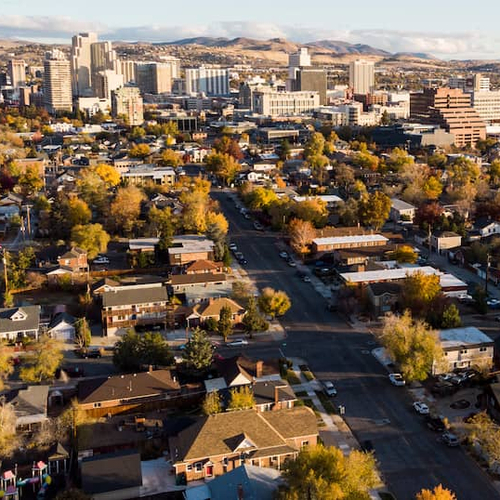
Relocating to a new city or state can be an exciting and busy time, but finding a new home can help make the change easier. For some, buying a home right away may make sense, but if you’re not as familiar with your new city, renting for a while may be the better option.
If you’re on the fence about renting vs. buying after relocating, there are several things to consider, from prices to flexibility. We’ll outline the pros and cons of each to help you relocate with confidence.
Key takeaways:
- Renting vs. buying depends on your goals, moving costs, and ability to afford a down payment.
- Renting after relocating to a new city offers flexibility, fewer upfront costs, and less responsibility.
- Buying a home after relocating allows you to build equity, plan for the long term, and give you more options.
Common costs of relocation
One of the major factors when deciding between renting or buying in a new location is the cost of your move. Moving can be expensive, with shorter distances costing an average of $1,710 and long-distance moves ranging from $2,700 – $10,000.
There are additional costs associated with relocating to another state or area farther from your current home. Let’s look at these costs:
- Moving truck: $30 – $350, depending on the vehicle size and how long you rent it for. This DIY option is significantly cheaper than hiring professional movers.
- Professional movers: $880 – $10,000, depending on distance, time of year, number of items, and hours to pack.
- Moving pods: $2,000 – $5,000, depending on the distance to ship.
- Packing supplies: $170 – $740, depending on how many boxes, bins, packing wrap and tape, labels, and furniture covers you need.
- Car shipping: $1,000 – $2,000, depending on the type of car, distance, and shipping method.
Depending on where you’re relocating, it could come with a change in the cost of living, which could increase or decrease how much you’ll spend over time. If you’re moving for a job, some employers offer relocation packages as part of their compensation to help offset major moving costs.
How much you need to spend on moving costs can impact what you can afford for a down payment. In that case, the choice may be easy to rent for a year or two while you save up. Your situation will vary, so there are things to consider before deciding between renting and buying in a new area.
See what you qualify for
The pros and cons of renting when relocating
Renting has several pros and cons that you’ll want to consider before committing. Let’s explore them:
Pros of renting
When relocating, renting can offer you more flexibility.
- Renting is more flexible: Most lease terms last for a year, with some offering month-to-month options. It’s less commitment than buying a home, and renting can give you more freedom to try out multiple neighborhoods or move again.
- Fewer upfront costs: Renting typically requires an application fee, security deposit, and first month’s rent. These expenses are likely significantly lower than the cost of making a down payment on a home and paying closing costs. Buying a home may stretch your budget, especially if you’re already paying higher moving costs.
- Less maintenance responsibilities: With an apartment or rental home, maintenance costs usually fall to the landlord or property manager. As a homeowner, you’re responsible for ongoing upkeep and paying for emergency repairs.
Cons of renting
While renting can be a good idea after relocating, it does have downsides to consider.
- It could be more expensive to rent vs. buy: Depending on where you move, rent costs might be more expensive than a mortgage payment. This varies from city to city, but if you plan to stay in your new area for years to come, buying may be more affordable and help you build equity over time.
- You can’t customize your rental: Some landlords may let you make small changes, such as painting the walls, but you’ll typically have to repaint it when you move out. Not being able to fully customize your space may not be the right choice if you’re used to owning a home.
- The lease is binding: A lease outlines what rules you need to follow, when you can move out, whether pets are allowed or not, and other stipulations. If you’re looking for more freedom, a rental may not fit your needs.
Take the first step toward the right mortgage
Apply online for expert recommendations with real interest rates and payments
The pros and cons of buying when relocating
While renting may seem like the easier option when you’re relocating, there are pros and cons to buying a house.
Pros of buying
Let’s look at some reasons why buying a house could be a good option:
- Buying could be more affordable: In some cities, buying a home might be more affordable than renting. Owning a house allows you to build equity through your monthly mortgage payments, unlike rent, that goes directly to your landlord. The Rocket Mortgage rent vs. buy calculator can help you compare costs.
- You may have more options: If you’re moving with your family and have children or pets, buying a home may offer additional options compared to an apartment or rental home.
- Long-term benefits: Even if you don’t live in the home forever, owning a home allows you to build equity, utilize tax benefits, or turn your home into a long-term rental or vacation home.
Cons of buying
Buying a house when relocating does have downsides to evaluate, so let’s look at some:
- Higher upfront costs: When you buy a home, you’ll have to make a down payment and pay closing costs. A down payment on a conventional loan typically ranges anywhere from 3% – 20%, while closing costs range from 3% – 6% of the home’s purchase price. These costs may not be affordable on top of a big move.
- It’s less flexible: If you need to move quickly, you’ll either have to sell or rent out your house, which can add additional costs and time. Buying may not be the right choice if you’re not sure you’ll stay in the area for more than a few years.
- Additional ongoing costs: On top of your monthly mortgage payments, you’ll need to pay utility bills, homeowners insurance, property taxes, and budget for unexpected maintenance costs.
See what you’re eligible for
Rocket Mortgage® uses information about your income, assets and credit to show you which mortgage options make sense for you
Rocket Mortgage can help with relocation
The Rocket Mortgage Relocation Team offers incentives to our relocating friends who want to buy a home. You may be able to take advantage of specialized pricing and award-winning customer service that will help make sure your move is as smooth and affordable as possible.
The bottom line
Picking up and moving to a new city can be incredibly exciting – and stressful. While renting is always an option, buying may be a better choice that can save you a lot of money in the long run.
If you’re planning on relocating to a new city and are interested in buying a home, don’t wait. Apply online and get your initial mortgage approval before you start your home search.

Alison Bentley
A California-native, Alison has lived in Seattle for the last several years and enjoys the concert scene and buying fresh produce at farmers markets. In her free time, she loves traveling, writing, painting, and finding a new book to read or recipe to bake.
Related resources

10-minute read
15 first-time home buyer tips
Purchasing your first home can be overwhelming. These first-time home buyer tips can help you tackle the process with more confidence.
Read more
9-minute read
How to know when to buy a house
Knowing when to buy a house takes market knowledge and insight into your personal finances. Here are some tips for knowing you’re ready.
Read more

8-minute read
Your complete move-in checklist
Don’t stress during your move. This checklist from Rocket Mortgage can help you simplify your move before, during, and after arriving in your new home.
Read more