Homeowners association (HOA): What it means and how it works
Contributed by Karen Idelson
Updated Apr 26, 2026
•9-minute read
: What it means and how it works)
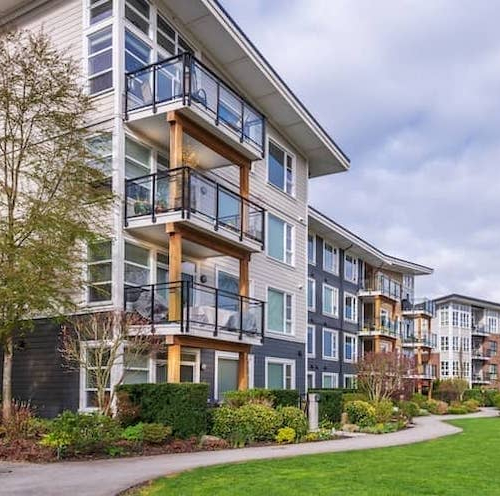
Buying a home involves considering many factors, including affordability, size, style, location, and amenities. Another important element that deserves attention is whether the property is governed by a homeowners association (HOA).
While living in an HOA can involve some restrictions, you may find that the benefits are worth the limitations. We’ll break down how HOAs work, what it means to live in a home with an HOA, and how HOAs can impact your buying experience.
What is a homeowners association (HOA)?
Homeowners associations, more commonly known as HOAs, are private organizations that oversee the management of certain residential communities, such as a planned unit development (PUD). HOAs collect dues from member homes and establish sets of rules and regulations called bylaws for those living in the community to follow.
They’re most often used to govern common-interest communities, neighborhoods, townhouses, and multiunit apartment buildings or condominiums. The fees that HOA community residents use are used to maintain the common areas and keep the entire neighborhood appealing.
See what you qualify for
Types of HOAs
There are a few different types of HOAs out there dependent on the type of property that is part of the HOA. These are some of the most common.
Single-family home associations
Single-family home associations apply to a community of single-family homes, meaning the stereotypical detached property for a single person or family with a yard, driveway, and so on. These types of HOAs usually govern a specific neighborhood or planned development.
Often, single-family home associations will maintain community amenities, like parks, pools, and the like, as well as place regulations on things such as how yards must be maintained or what color homes can be painted.
Condominium home associations
Condo home associations apply to condo buildings, which are large buildings with multiple units for people to own and live in. Condo associations are typically responsible for maintaining common areas of the building and handling maintenance of the exterior of the condo building, such as the roof or yard. When you buy a unit in one of these buildings, you typically apply for a condo loan.
Cooperative housing associations
Co-ops are nonprofits that people can own shares in. That ownership stake gives them the right to live in the co-op.
A co-op housing association functions much like a condo association, handling the maintenance of the building, its common areas, and its amenities.
Take the first step toward the right mortgage
Apply online for expert recommendations with real interest rates and payments
Common HOA rules
Each homeowners association will have a declaration of covenants, conditions, and restrictions (CC&Rs). This is a type of encumbrance on the home in the HOA. CC&Rs are all of the rules and regulations, also known as restrictive covenants, that homeowners in the HOA must follow. They can regulate everything from when you can have guests, what pets you may have, or how you maintain your yard.
Failure to follow these rules can result in fines or other penalties.
These are some of the common rules you might find in an HOA.
- Guidelines for fencing and landscaping: You may have to maintain a fence between your property and neighboring properties and ensure that plants on your property are properly landscaped or pruned.
- Restrictions on additions to homes: HOAs might limit you from adding things to your home, like additional rooms or a garage.
- Specific paint or exterior designs: An HOA could restrict homeowners to choosing specific colors of paint for the exterior of their property.
- Noise level restrictions: You may have to abide by rules limiting how much noise you can make after a specific hour.
- Pet breed restrictions: Some HOAs won’t allow certain breeds of pets, such as pit bulls.
- Common area rules: If your HOA has common areas or amenities, you may only be allowed to use them at specific times or be limited in how many guests you bring to them.
- Maintenance and appearance guidelines: Homeowners in HOAs are typically required to keep their homes in good condition by conducting necessary repairs and maintenance.
- Late fees for dues and fees: The CC&Rs should outline what penalties and fees you must pay if you are late to pay required dues.
What HOA fees cover
HOAs charge fees that are sometimes also called HOA dues to their residents and use the money collected to pay for many things, like maintenance and amenities. Some of the most common things paid for with HOA fees include:
- Trash and sewage services: Your HOA may hire a company to handle the removal of garbage and recycling from homes in the HOA.
- Landscaping: HOA fees cover the cost of landscaping parks and public areas, and some HOAs also pay for the yard maintenance of individual homes.
- Common areas: HOA fees pay for the maintenance and staffing of public areas, like pools or community rooms.
- Security: In gated communities, HOA fees can pay to hire security.
- Maintenance and repairs: In HOAs that cover condo buildings, fees are often used for maintenance and repairs for things like the roof.
- Insurance policies: HOA fees are often used to purchase liability insurance to cover issues in common areas or building insurance for a condo building. You will still need to buy insurance to cover your unit’s interior and your personal belongings.
Special assessments in HOA fees
HOAs collect fees each month from homeowners, but in some cases the leadership of the HOA may elect to issue a special assessment. This is an additional, one-time fee that each homeowner in the HOA must pay.
Special assessments can be quite large, so it’s important to be prepared for them. They’re usually used for significant, unexpected expenses that can’t be paid for out of the HOA’s normal dues or savings.
Some events that can cause a special assessment include:
- Hurricanes
- Floods
- Tornadoes
- Earthquakes
- Repairs to neighborhood infrastructure
- Gas leaks
- Plumbing
- Electrical faults
Fines and penalties
The HOA’s CC&Rs will list the various rules and regulations homeowners must follow. HOAs have the power to enforce those rules by issuing fines or other penalties that homeowners must pay.
If a homeowner fails to pay a fine, the HOA can file a lawsuit against them, place a lien on the home, or even foreclose, giving these rules and the related fines real teeth behind them.
Here are some common areas where violations may occur:
- Landscaping: Failure to maintain one’s lawn and adhere to HOA standards may lead to fines or penalties.
- Parking and vehicle issues: Most HOA communities have specific rules for parking your cars or oversized vehicles, like RVs or boats. Failure to comply can lead to fines.
- Pet policy: Noise management and leash policies for pets are very common in HOAs.
- Noise policy: To ensure peaceful nights for everyone, the HOA has designated quiet hours. Excessive noise made during these hours can lead to a fine.
- Design changes: Making alterations, such as painting your house, adding or removing walls or additional rooms, or even changing your mailbox, without prior approval from the HOA can lead to fines.
When do you pay HOA fees?
Typically, HOAs will charge fees to homeowners monthly. Typically, you will be responsible for making these payments directly to the HOA. Most lenders will not handle these payments through escrow, so they are done separately from your mortgage payment.
Understanding how much you may pay in HOA fees is essential to understanding how affordable a home is. You might be able to handle the mortgage payment, but a high HOA fee could make it unaffordable on a month-to-month basis.
Check the closing disclosure for your loan to ensure you understand how much you’ll pay for your loan and ask for a copy of the seller’s HOA statement to see how much you’ll pay in HOA fees.
HOA board vs. HOA management
An HOA board of directors and HOA management company are two groups that oversee the responsibilities of a homeowners association. While they’re somewhat similar, each group plays a distinct role in governing the duties and policies within an HOA community.
HOA board
The HOA board of directors consists of volunteers who live in the community and are elected by other homeowners. They oversee common area maintenance, shared services, and other amenities. The HOA board members are also responsible for collecting HOA fees, administering the reserve fund, and enforcing the community CC&Rs of the community. Most HOA boards hold regular meetings where residents can ask questions and get updates. They also plan social activities, neighborhood watch committees, and other events.
HOA management
An HOA management company, different from an HOA board, is a professional third-party firm that helps an HOA board fulfill its duties. If your community has an HOA manager, the board is typically relegated to a decision-making role. While an HOA management company overseeing your community can be helpful, it often comes with an additional fee.
Can I dispute an HOA decision?
If you're facing an HOA decision that you believe is unfair, there are clear steps that you can take to dispute it. Here's how:
- Review your HOA bylaws and rules. Begin by examining your HOA's governing documents, which include the CC&Rs. These documents outline your rights and responsibilities as a homeowner and explain what is acceptable or prohibited regarding the rules.
- Gather evidence. Collect any relevant evidence that will support your case. This might include photographs, emails, letters, and documentation showing the HOA decision may not correlate with its rules or policies.
- Communicate with the HOA board. Draft a formal letter to the HOA board about your concerns in detail. Be polite and professional and clearly explain why you believe the decision should be reconsidered. Make sure to include the evidence that you've gathered. This step is usually the first big thing that sets your appeal.
- Request a hearing or attend an HOA meeting. Many HOAs allow homeowners to address disputes in board meetings or through a formal appeal process. You can use this opportunity to present your case directly.
- Consider mediation or arbitration. If you're unwilling to pay the fine and your attempts to appeal the decision fail, consider mediation as a less aggressive way to resolve the issue. In mediation, a trained mediator assists both parties in finding common ground, while arbitration involves a neutral third party who examines the evidence and makes a decision. Both options cost, but they're usually more affordable than pursuing a lawsuit and are worth considering before hiring a lawyer.
- File a lawsuit. Filing a lawsuit is a last resort. If all else fails and you believe your rights as a homeowner are being violated, consult an attorney familiar with HOA law. They can advise you on whether taking legal action is a viable option.
Pros and cons of living in an HOA community
Living in an HOA can have a lot of benefits, but it’s not right for everyone. Consider these pros and cons before you buy a home in an HOA.
Pros
Living in an HOA can offer several advantages, such as:
- Amenities. Some HOAs will maintain amenities like tennis courts, gyms, pools, or parks that are only accessible to members of the HOA.
- Rule enforcement. HOAs can place rules on members, requiring things like proper lawn maintenance and keeping noise levels down. This can be good for people who want to live in a certain type of community if they can find an HOA that aligns with their goals.
- Value preservation. Often, rules enforced by HOAs, such as those requiring proper repair and maintenance of homes and lawns, can help keep neighborhood property values high.
Cons
HOAs aren’t perfect, so it’s also important to consider their downsides.
- Additional cost. If you live in an HOA, you’ll have to pay a monthly HOA fee, which adds to the cost of homeownership.
- Special assessments. If your HOA issues a special assessment, you may be on the hook for an unexpected expense that can be thousands or tens of thousands of dollars.
- Additional rules on how you use your property. You may not be able to do everything you want to do with your home if your HOA has rules that place restrictions on noise, yard decorations, or otherwise.
FAQ
HOAs are common in many parts of the United States, so it’s important to understand how they work.
How much are HOA fees?
HOA fees vary from HOA to HOA. Some luxury HOAs can charge very high fees while others are quite low. In 2024, the median fee was $135 per month.
What happens if I don’t pay my HOA fees?
If you don’t pay HOA fees, the HOA can assess penalties and late fees or place a lien on your home. In extreme cases, the HOA could foreclose on your property.
Can you refuse to join an HOA?
Whether you can refuse to join an HOA depends on the home. Some HOAs are mandatory, meaning that if you buy a home in the community, you must join. You can opt not to join a voluntary HOA when you buy, but you’ll lose access to things like neighborhood amenities.
Can HOA rules be changed?
Yes, HOA rules can be changed. HOAs regularly select leaders that are responsible for managing the HOA and setting rules. Depending on the details of the HOA, leadership can make changes to rules, or rule changes may be brought up for a vote by all members of the HOA.
Can an HOA tell you who can live with you?
Yes, HOAs may be able to place limits on who can live with you, such as by limiting the number of occupants or requiring that residents be over a specific age. However, these rules must still follow federal and state law. For example, blocking people of a specific gender or race from living in your home would be illegal.
The bottom line: Determine whether an HOA suits your lifestyle
If you’re shopping for a home, there’s a good chance that you’ll run into properties that are part of HOAs. For some buyers, HOAs can be a big benefit thanks to the rules they enforce and the amenities they offer, but HOAs aren’t right for everyone. If you want to avoid the cost of HOA fees or to have full control over your property, look for homes that aren’t part of an HOA.
If you’re ready to take the next step toward buying a home, you can get started with Rocket Mortgage.

TJ Porter
TJ Porter has ten years of experience as a personal finance writer covering investing, banking, credit, and more.
TJ's interest in personal finance began as he looked for ways to stretch his own dollars through deals or reward points. In all of his writing, TJ aims to provide easy to understand and actionable content that can help readers make financial choices that work for them.
When he's not writing about finance, TJ enjoys games (of the video and board variety), cooking and reading.
Related resources

5-minute read
What to know about condo associations: Your guide to rules, fees, and insurance
A condo association (sometimes called a condo homeowners association) manages shared spaces, rules, and fees. Learn how they work and what buyers should know.
Read more
14-minute read
Townhouse vs. house: Key differences and pros and cons
Read more

5-minute read
Condo vs. house: Which is best for you?
Trying to decide between buying a condo or a house? Learn the key differences in cost, maintenance, lifestyle, and more to make the right choice for you.
Read more