FHA loans in California
Contributed by Tom McLean
Feb 2, 2026
•10-minute read

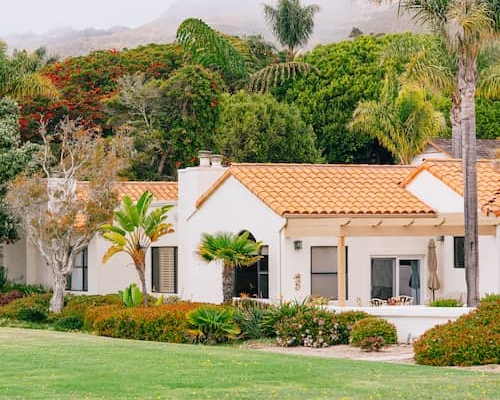
California’s sunshine and job centers come with a steep tradeoff: housing costs well above the national average. According to Redfin, the median sales price of a California home in December 2025 is $793,200. That’s 85% more than the national median sales price of $428,275.
Even so, an FHA loan from Rocket Mortgage can help you buy a home in California with a low down payment and more flexible credit requirements. With an FHA loan, California homes can be within reach. Learn what the 2026 FHA loan limits in California mean for your budget, and the assistance programs that can help you bridge the gap.
What are FHA loans?
FHA loans are government-backed mortgages for borrowers that offer low down payments, low closing costs, and easy credit qualification. FHA loans in California are insured by the Federal Housing Administration, which means the agency reimburses lenders if the borrower defaults. This backing helps lenders offer FHA loans to borrowers who may not qualify for a conventional loan.
See what you qualify for
How do FHA loans work?
FHA loans have specific rules that help make them more accessible than many conventional options. FHA loan requirements in California include steady income, a minimum credit score, a minimum down payment, property requirements, and a maximum loan amount that varies by county. FHA loan rates are competitive and often lower than for other loan types.
FHA loan limits are set each year by the Department of Housing and Urban Development, and vary by county within each state, including California.
A California FHA loan can be used to buy various property unit types from single-family homes to multifamily properties with up to 4 units, including houses, condominiums, townhouses, and mobile or manufactured homes.
Properties must meet FHA guidelines, and borrowers must pay an up-front and an annual mortgage insurance premium (MIP). This insurance protects the lender if the borrower defaults and is part of what allows lenders to approve buyers with lower credit scores or smaller down payments.
Anyone who meets the requirements and agrees to live in the home they're buying as their primary residence can qualify for an FHA loan.
FHA also offers 203(k) rehab loans, which provide financing for home renovations and repairs. Rocket Mortgage currently does not offer FHA 203(k) loans.
FHA loans can also be used to refinance. Refinancing might help you lower your interest rate, reduce your monthly payment, or switch from an adjustable-rate to a fixed-rate mortgage.
FHA refinancing options include:
- FHA Streamline refinance. Requires less documentation and may not need an appraisal.1
- FHA rate-and-term or cash-out refinance2. Provides flexibility to adjust loan terms or tap home equity.
For veterans and service members, additional refinance programs may be available through VA loan options.
Take the first step toward the right mortgage
Apply online for expert recommendations with real interest rates and payments
How 2026 FHA loan limits work in California
FHA loan limits change every year, and California's limits vary by county based on local housing prices. Areas with higher home values qualify for higher limits, while lower-cost counties stay closer to the national floor.
The limits are based on median home prices in each county, up to 150% of the national conforming loan limit. Exceptions are made for homes in Alaska, Hawaii, Guam, and the U.S. Virgin Islands due to the higher construction costs.
For 2026, the FHA loan limits for a one-unit home range from $541,287 in low-cost areas to $1,249,125 in high-cost counties.
Here are the FHA loan limits by county in California for buying 1- to 4-unit homes. California has 95 counties and 38 independent cities that are considered county equivalents for Census and FHA loan purposes.
Use the HUD lookup tool to confirm your county’s current limit, then speak with a loan officer to see what you can qualify for.
|
County name |
One-unit |
Two-unit |
Three-unit |
Four-unit |
|
Alameda |
$1,249,125 |
$1,599,375 |
$1,933,200 |
$2,402,625 |
|
Alpine |
$736,000 |
$942,200 |
$1,138,900 |
$1,415,400 |
|
Amador |
$541,287 |
$693,050 |
$837,700 |
$1,041,125 |
|
Butte |
$541,287 |
$693,050 |
$837,700 |
$1,041,125 |
|
Calaveras |
$541,287 |
$693,050 |
$837,700 |
$1,041,125 |
|
Colusa |
$541,287 |
$693,050 |
$837,700 |
$1,041,125 |
|
Contra Costa |
$1,249,125 |
$1,599,375 |
$1,933,200 |
$2,402,625 |
|
Del Norte |
$541,287 |
$693,050 |
$837,700 |
$1,041,125 |
|
El Dorado |
$764,750 |
$979,000 |
$1,183,400 |
$1,470,700 |
|
Fresno |
$541,287 |
$693,050 |
$837,700 |
$1,041,125 |
|
Glenn |
$541,287 |
$693,050 |
$837,700 |
$1,041,125 |
|
Humboldt |
$541,287 |
$693,050 |
$837,700 |
$1,041,125 |
|
Imperial |
$541,287 |
$693,050 |
$837,700 |
$1,041,125 |
|
Inyo |
$541,287 |
$693,050 |
$837,700 |
$1,041,125 |
|
Kern |
$541,287 |
$693,050 |
$837,700 |
$1,041,125 |
|
Kings |
$541,287 |
$693,050 |
$837,700 |
$1,041,125 |
|
Lake |
$541,287 |
$693,050 |
$837,700 |
$1,041,125 |
|
Lassen |
$541,287 |
$693,050 |
$837,700 |
$1,041,125 |
|
Los Angeles |
$1,249,125 |
$1,599,375 |
$1,933,200 |
$2,402,625 |
|
Madera |
$541,287 |
$693,050 |
$837,700 |
$1,041,125 |
|
Marin |
$1,249,125 |
$1,599,375 |
$1,933,200 |
$2,402,625 |
|
Mariposa |
$541,287 |
$693,050 |
$837,700 |
$1,041,125 |
|
Mendocino |
$546,250 |
$699,300 |
$845,300 |
$1,050,500 |
|
Merced |
$541,287 |
$693,050 |
$837,700 |
$1,041,125 |
|
Modoc |
$541,287 |
$693,050 |
$837,700 |
$1,041,125 |
|
Mono |
$776,250 |
$993,750 |
$1,201,200 |
$1,492,800 |
|
Monterey |
$994,750 |
$1,273,450 |
$1,539,350 |
$1,913,000 |
|
Napa |
$1,017,750 |
$1,302,900 |
$1,574,900 |
$1,957,250 |
|
Nevada |
$649,750 |
$831,800 |
$1,005,450 |
$1,249,550 |
|
Orange |
$1,249,125 |
$1,599,375 |
$1,933,200 |
$2,402,625 |
|
Placer |
$764,750 |
$979,000 |
$1,183,400 |
$1,470,700 |
|
Plumas |
$541,287 |
$693,050 |
$837,700 |
$1,041,125 |
|
Riverside |
$690,000 |
$883,300 |
$1,067,750 |
$1,326,950 |
|
Sacramento |
$764,750 |
$979,000 |
$1,183,400 |
$1,470,700 |
|
San Benito |
$1,249,125 |
$1,599,375 |
$1,933,200 |
$2,402,625 |
|
San Bernardino |
$690,000 |
$883,300 |
$1,067,750 |
$1,326,950 |
|
San Diego |
$1,104,000 |
$1,413,350 |
$1,708,400 |
$2,123,100 |
|
San Francisco |
$1,249,125 |
$1,599,375 |
$1,933,200 |
$2,402,625 |
|
San Joaquin |
$678,500 |
$868,600 |
$1,049,950 |
$1,304,850 |
|
San Luis Obispo |
$1,000,500 |
$1,280,850 |
$1,548,250 |
$1,924,100 |
|
San Mateo |
$1,249,125 |
$1,599,375 |
$1,933,200 |
$2,402,625 |
|
Santa Barbara |
$941,850 |
$1,205,750 |
$1,457,450 |
$1,811,300 |
|
Santa Clara |
$1,249,125 |
$1,599,375 |
$1,933,200 |
$2,402,625 |
|
Santa Cruz |
$1,249,125 |
$1,599,375 |
$1,933,200 |
$2,402,625 |
|
Shasta |
$541,287 |
$693,050 |
$837,700 |
$1,041,125 |
|
Sierra |
$541,287 |
$693,050 |
$837,700 |
$1,041,125 |
|
Siskiyou |
$541,287 |
$693,050 |
$837,700 |
$1,041,125 |
|
Solano |
$685,400 |
$877,450 |
$1,060,600 |
$1,318,100 |
|
Sonoma |
$897,000 |
$1,148,350 |
$1,388,050 |
$1,725,050 |
|
Stanislaus |
$545,100 |
$697,800 |
$843,500 |
$1,048,300 |
|
Sutter |
$541,287 |
$693,050 |
$837,700 |
$1,041,125 |
|
Tehama |
$541,287 |
$693,050 |
$837,700 |
$1,041,125 |
|
Trinity |
$541,287 |
$693,050 |
$837,700 |
$1,041,125 |
|
Tulare |
$541,287 |
$693,050 |
$837,700 |
$1,041,125 |
|
Tuolumne |
$541,287 |
$693,050 |
$837,700 |
$1,041,125 |
|
Ventura |
$1,035,000 |
$1,325,000 |
$1,601,600 |
$1,990,450 |
|
Yolo |
$764,750 |
$979,000 |
$1,183,400 |
$1,470,700 |
|
Yuba |
$541,287 |
$693,050 |
$837,700 |
$1,041,125 |
FHA loan requirements
Requirements for FHA loans can vary by lender and by program, so the guidelines below reflect what you can generally expect through Rocket Mortgage. It’s always best to check with your lender to confirm the exact qualifications for your situation.
The chart below outlines what you’ll usually need to qualify for an FHA mortgage in California, including the minimum down payment, credit score, debt-to-income ratio, income, appraisal, and inspection, and more.
|
Minimum down payment percentage and credit score |
Rocket Mortgage requires a down payment of at least 3.5% of the purchase price and a minimum credit score requirement of 580.3 Other lenders may offer FHA loans to borrowers with a credit score between 500 and 579, with a down payment of at least 10% |
|
Up-front MIP of 1.75% of the loan amount, plus an annual MIP of between 0.45% and 1.05% of the loan balance, paid in monthly installments. MIP is paid for 11 years if your down payment is 10% or more of the purchase price, and for the entire loan term if your down payment is less than 10%. |
|
|
Debt-to-income ratio (DTI) |
Rocket Mortgage requires a front-end DTI of 38% and a back-end DTI of 45%. Higher DTIs may be allowed in cases with compensating factors, including a minimum credit score of 620. |
|
FHA appraisal requirement |
Home must be appraised by an FHA-approved appraiser. |
|
Occupancy requirement |
Must occupy the property within 60 days of closing and must be the primary residence. |
|
Inspection requirement |
Property must meet the FHA minimum property standards. |
|
Income |
Must prove steady employment (no specific income threshold) |
Save money on an FHA loan today!
Lock in your low interest rate with a fast, online approval
FHA loan down payment assistance programs in California
Because housing prices are high in California, you may need financial assistance to cover a down payment and closing costs, even if you are using an FHA loan to finance your purchase.
Consider home buyer education counseling, and check with the U.S. Department of Housing and Urban Development, which you can find here, to find down payment assistance programs in the area where you want to buy.
Several agencies throughout California offer down payment assistance.
CalHFA
The California Housing Finance Agency provides homeownership programs for California residents with low- to moderate-income. The agency offers mortgage loans with interest rates below market rates, making the monthly payments more affordable. The agency also offers down payment assistance, including the MyHome Assistance Program.
This program offers a deferred-payment junior loan up to 3.5% of the purchase price or appraised value of the home, whichever is lower. Buyers can use this loan for their down payment or closing costs. They also can combine it with one of CalHFA’s other mortgage programs.
To qualify for one of CalHFA’s loans, you’ll need a minimum credit score of 640. That minimum rises to 660 if you are buying a manufactured home.
You'll also need to meet income limits to qualify for a loan through this agency. These limits vary by county. For instance, if you are buying in Butte County, you can't make more than $190,000 a year and still qualify. If you are buying in San Francisco County, you can earn up to $325,000 a year and still qualify.
San Diego Down Payment And Closing Costs Assistance
If you are buying in San Diego County, you can take out a low-interest, deferred-payment loan from San Diego Housing & Community Development Services. The loan, open to first-time, low-income buyers, can provide up to 22% of the home's purchase price to help cover your down payment.
The purchase price of the home that you buy can't exceed $676,000, and the buyer's family income must not exceed 80% of the San Diego County area median income. To qualify as a first-time buyer under this program, you must not have owned a home in the past 3 years. You will need a minimum credit score of 640. Your debt-to-income ratio, including your new housing payment and other recurring debts, can equal no more than 45%.
You can use this program to buy a new or resale single-family home, condo, townhome, or manufactured home on a permanent foundation.
You won't repay this loan until you refinance, sell, pay off your first mortgage, or no longer occupy the home as your primary residence.
San Diego County requires that all participants in this program complete a homeownership education class.
The Golden Opportunities Program
The Golden State Finance Authority offers the Golden Opportunities Program, which provides financial assistance of up to 5% of your first mortgage loan amount. You can use the loan proceeds for a down payment and closing costs.
You can qualify for this program with a credit score of at least 620. You don't have to be a first-time home buyer, and your DTI can be as high as 55%.
You can use the program when buying single-family homes, condos, townhomes, and manufactured homes.
Pros and cons of buying a home in California with an FHA loan
As with all mortgage types, FHA loans come with their own pros and cons.
Pros
The main benefit of FHA loans is that they make homeownership possible for buyers who might otherwise struggle to qualify for conventional mortgages.
- Higher loan limits: Depending on the California county in which you are buying, you can take out an FHA loan for up to $1,249,125 in 2026 for a one-unit home.
- Flexible qualification: You can qualify for an FHA loan with a credit score as low as 500. And if your score is at least 580, you'll only need a down payment of 3.5%. This can help you get into a home more quickly, rather than having to wait years to build a higher credit score or save more money for a down payment.
- Down payment assistance: If you are still struggling with down payment funds, several agencies in California provide down payment assistance to buyers who want to finance a home in the state through an FHA-insured mortgage.
Cons
While FHA loans make it easier for many buyers to get into a home, there are trade-offs to consider.
- Still capped in high-cost areas: Even with higher loan limits, there are still areas in California where median home prices are so high that you might not be able to use an FHA loan to finance the purchase of one that you like. An example? In Santa Monica, the median sale price of a home in December 2025 was $1.85 million, according to Redfin.
- Mortgage insurance impact: With most FHA programs, you'll need to pay both an up-front and annual mortgage insurance premium (MIP). The upfront premium is 1.75% of the base loan amount. For a $300,000 loan, that comes to $5,250. The annual premium ranges from 0.15% to 0.75% of your loan amount, depending on how much you are borrowing, your loan-to-value ratio, and the length of your mortgage. You'll make this payment every year for the life of your loan if your down payment is less than 10% of your home's purchase price or for 11 years if your down payment is at least this amount.
- Competitive disadvantage: If you are buying in a seller’s market, in which sellers often receive multiple offers on their homes, you might struggle to convince sellers to work with you if you are using an FHA loan. That’s because FHA loans come with more stringent appraisal and inspection requirements that sellers in a seller’s market might want to avoid.
FAQ
Here are answers to some of the most common questions about buying a home in California with an FHA loan.
Is California giving away $150,000 to first-time home buyers?
The Dream For All Shared Appreciation Loan offered by CalHFA provides up to 20% of a home's purchase price for down payment or closing costs, with a total not to exceed $150,000, for applicants who meet its requirements. Registration for 2026 funds is open from Feb. 24 to March 16, 2026.
What is the 75% rule for FHA loans?
The 75% rule for FHA loans refers to the FHA Self-Sufficiency Rule, which applies when buying a 3- or 4-unit property with an FHA loan. It requires that at least 75% of the projected rental income cover the full monthly mortgage payment.
What is today’s FHA mortgage rate?
Interest rates for FHA loans change often, and yours will vary based on your credit score, the term of your loan, and how much you borrow. Check today's FHA loan rates with Rocket Mortgage.
Can you convert your FHA loan to a conventional loan?
Yes, after building equity. You can refinance into a conventional loan to remove MIP and reduce your monthly payments.
Are FHA loans different from loans backed by Fannie Mae or Freddie Mac?
Yes. FHA loans are government-insured to help first-time buyers or those with poor credit. Fannie Mae and Freddie Mac buy conforming conventional loans from private lenders.
The bottom line: Using an FHA loan to buy a home in California
An FHA loan can help California buyers with limited savings or less-than-perfect credit make the jump to homeownership. Because these loans require a low down payment, they are especially useful in areas such as California, where housing prices are high.
If you're ready to explore your borrowing options, apply for an FHA loan today with Rocket Mortgage.
1The FHA Streamline program may have stricter requirements in some states. In order to qualify for the FHA Streamline program, an immediate .5% minimum reduction in interest and mortgage insurance premium is required. Some states may require an appraisal.
2Refinancing may increase finance charges over the life of the loan.
3To qualify for this offer, you must meet all standard FHA eligibility requirements. In addition, your total mortgage payment, including taxes and insurance, cannot exceed 38% of your income, your debt-to-income (DTI) ratio cannot exceed 45%, and you must have 12 months of verifiable housing history immediately prior to your application, no late payments 30 days or greater in the last 12-months, and no derogatory marks on your credit report. Not available on jumbo loans. Asset statements may be needed, no more than 1 day of non-sufficient fund fees are allowed in the most recent 2 months prior to application. Additional restrictions/conditions may apply.
Rocket Mortgage is a trademark of Rocket Mortgage, LLC or its affiliates.

Dan Rafter
Dan Rafter has been writing about personal finance for more than 15 years. He's written for publications ranging from the Chicago Tribune and Washington Post to Wise Bread, RocketMortgage.com and RocketHQ.com.
Related resources

6-minute read
What are the FHA loan down payment requirements?
FHA loans have more flexible terms than conventional loans, including with regard to your down payment. You may qualify for a low down payment with a credit ...
Read more

5-minute read
What are the pros and cons of FHA loans?
FHA loans have benefits and drawbacks, from flexible credit requirements and low minimum down payments to strict property requirements and low loan limits.
Read more

4-minute read
FHA loan limits: How much can you borrow in 2026?
FHA loan limits are designed to cap how much you can borrow with an FHA loan. Learn more about how these loan limits work and what the limits are for 2026.
Read more