Buying a new-construction home
Contributed by Tom McLean
Updated Oct 30, 2025
•7-minute read

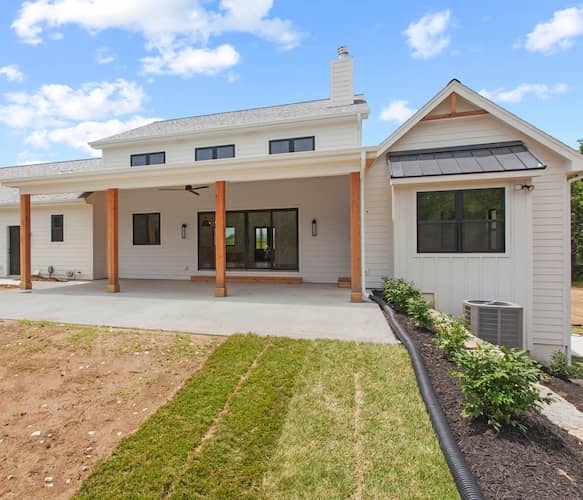
A new construction home has a lot to offer aspiring home buyers. Everything about the house should be working at peak efficiency. You won't need to worry about replacing an old furnace or refinishing worn-out flooring. Its design also will reflect modern preferences when it comes to the floor plan and the architectural style.
So it's no surprise that new-construction homes are popular. The U.S. government reports that 652,000 new homes were sold in July 2025, accounting for about 14% of the total homes sold nationwide.
However, the new-construction home buying process differs a bit from buying an existing one. Here's what you need to know.
Key takeaways
- New‑construction homes are brand‑new builds: These homes have never been lived in and are often part of newly developed communities built by professional developers.
- Costs go beyond the purchase price: While prices may be similar to existing homes, buyers should factor in expenses like moving costs, landscaping and homeowners association (HOA) fees.
- New‑construction homes offer pros and cons: Benefits include modern designs, lower maintenance and potential incentives, while drawbacks may include limited customization, fewer location choices and nearby construction activity.
What is a new-construction home?
A new-construction home has been built recently and has never been sold or lived in. These homes usually are built by developers in new communities or developments.
Developers design homes they think will appeal to buyers, essentially speculating on what will succeed in the market. This is why new-construction homes are said to be built to spec,
Developers often devise a few floor plans or models for homes that will be repeated throughout the community or development.
For example, in a new community, the developer may build three different types of homes, each having a different floor plan. Some may have two bedrooms and one bathroom, while others may have three or four bedrooms, two bathrooms, and a garage. While some aspects vary, each model home also usually shares similar features and aspects of the layout.
House shoppers can find these properties on regular home search websites, through a real estate agent, or by going directly to a developer’s website.
Spec vs. custom home options
New-construction properties can be broken down into two major categories: homes built to the developer's specifications and custom homes.
A spec home is built to the developer’s specifications, usually matching other properties in the development in terms of features and floor plan.
A custom home is one where the buyer has input on the design, influencing the features, floor plan, and overall look of the home.
Spec homes are often fully built or nearly finished by the time a buyer starts the purchasing process. This makes the process of buying a spec home more like buying an existing one and means it's move-in ready.
Buying a custom home takes more time because you need to wait for it to be built to your specifications. Financing for custom homes also can be more complex, as you’ll need to borrow money for construction, but cannot use a traditional mortgage until the home is fully built.
See what you qualify for
What does a new-construction home cost?
The price of a new-construction home is similar to that of an existing property. In July 2025, the median price of a new home was $403,800, while the median price of all single-family homes was $410,800 in Q2 2025.
New homes do have some additional costs to keep in mind. First of all, moving costs money, so be prepared for the cost of hiring movers or renting a truck.
A brand-new home may also require some additional landscaping or customization, such as new paint, to make it feel like yours.
Many new-construction properties are in communities with a homeowners association, which means you'll need to pay monthly HOA fees. You also have to consider the costs that every homeowner must pay, such as property taxes and homeowners insurance.
Consider using the Rocket Mortgage® home affordability calculator to estimate how much home you can afford.
Take the first step toward the right mortgage
Apply online for expert recommendations with real interest rates and payments
The pros and cons of buying new construction
Buying a new home has advantages and disadvantages.
Pros
Some of the top reasons to buy a new home include:
- Newer designs and features. New-construction properties have just been built, so they reflect modern technology and design preferences.
- Lower maintenance costs. Because the homes are new, they will likely have fewer maintenance issues, making them cheaper to keep in good shape.
- Improved energy-efficiency and adherence to codes. Old homes may have been built with materials and insulation that increase energy and heating costs. They also may have noncompliant features that can be expensive to bring up to code if you want to make changes to the home. New homes avoid this issue.
- Quick move-in time. New homes have nobody living in them, and trying to move out to a new property. That can shorten the closing and moving timelines.
- Commonly provided home warranties. Many developers offer a home warranty, protecting from defects in materials and construction issues in your new home.
- Potentially faster appreciation. A new home may appreciate more quickly compared with an older property because it will have fewer maintenance issues.
- Potential buyer incentives. Some building companies offer incentives to buy their homes, such as assistance with closing costs or buying down your interest rate.
Cons
New-construction homes aren’t right for everyone, so keep these drawbacks in mind.
- Limited customization compared to other new home options. Spec homes are built according to the designer’s specifications. They are usually based on a few floor plans and designs provided by the developer. You won’t have much opportunity to give input or ask for customizations.
- Fewer locations to choose from. Most new homes are in developments and communities, limiting the locations you can choose from.
- Likely higher purchase price. Often, you’ll see higher up-front costs for buying new-construction homes, between things like the purchase price, moving costs, and expenses like painting or landscaping.
- Potential construction activity. This is a temporary issue, but it can be a significant problem. If you buy a home in a development where the builder is still constructing new homes, you’ll have to deal with living near construction sites.
- Often involves HOA fees and higher property taxes. New homes are usually built in planned communities, so you may have to pay an HOA fee. Property taxes could also be higher.
Find out how much you can afford
Your approval amount will give you an idea of the closing costs you’ll pay
Is buying a new-construction home right for you?
Buying a new home may be right for you if:
- You can afford a higher price tag and don’t mind buying a pricier home.
- You want the peace of mind that comes from having new appliances and building materials.
- You like the idea of having a home warranty.
- You want a home with the latest designs and features
Keep in mind that if you prefer to have more input and ability to customize your home, you may prefer a semi-custom home or custom property.
When to consider buying an older home
Buying an existing home may be a better fit for some people. For example, if you have a smaller budget, you can usually find a less expensive existing home, helping you save money. Older homes also offer more flexibility when it comes to location, so if you’re really hoping to live in a specific place that doesn’t have any new construction happening, consider an older home.
Making the decision between an old and new home can be tricky, so be sure to think about your finances and preferences before committing.
FAQ
Here are answers to common questions about buying a new-construction home.
What are some tips for buying a new-construction home?
Buying a new-construction home can be similar to buying an existing one in many ways. You’ll want to visit the neighborhood, tour the home, get mortgage preapproval, and make sure you understand the local market. However, you also need to do your due diligence on the developer. Look up the builder online to check if they have a good reputation for constructing homes properly, ensuring you avoid buying a poorly built house.
Do I need a construction loan?
Construction loans are intended for people who want to help pay for the building of a home. This is more common with custom or semi-custom homes. With spec homes, the property is already built, so you can use a typical mortgage. Rocket Mortgage does not offer construction loans, but does offer mortgages for existing and spec homes. You can also consider conventional and government-backed loans.
What size down payment do I need for a new-construction home?
The down payment required to buy a new-construction home will depend on the type of loan you apply for. Conventional loans can require down payments as low as 3% while VA or USDA loans have no down payment requirements. Some developers offer down payment assistance to help people buy a new home. You can use Rocket Mortgage’s down payment calculator to get an idea of how much you’ll need to put down.
Do I need a real estate agent to buy a new-construction home?
You do not need to work with a real estate agent to buy a new-construction home, but they can still be helpful. For example, your agent can help you find properties, negotiate with builders, and deal with paperwork. However, you may need to pay a REALTOR® fee if you hire an agent.
How do I make an offer on a new-construction home?
Making an offer on a new-construction home is similar to making an offer on an existing home. The main difference is that you’ll be negotiating with a developer rather than an individual homeowner. In some cases, the developer may be less willing to budge on the list price of a home, but there’s no reason not to try negotiating. You can also ask for other incentives or perks, such as down payment assistance or help buying down your mortgage rate.
The bottom line: Buying a new-construction home has its benefits
New-construction homes are newly built properties that have not had anyone live in them yet. They are often located in new developments with homeowner associations and have the latest materials, layouts, and features. They can be appealing to people who don’t mind paying a slightly higher price for a new home, but limit buyers’ flexibility to get a home in their ideal location.
If you’re shopping for a home, consider the pros and cons of new-construction homes to see if they’re right for you. Once you’re ready to start shopping for a home, apply for a mortgage with Rocket Mortgage®.

TJ Porter
TJ Porter has ten years of experience as a personal finance writer covering investing, banking, credit, and more.
TJ's interest in personal finance began as he looked for ways to stretch his own dollars through deals or reward points. In all of his writing, TJ aims to provide easy to understand and actionable content that can help readers make financial choices that work for them.
When he's not writing about finance, TJ enjoys games (of the video and board variety), cooking and reading.
Related resources

8-minute read
The complete guide to buying land and building a house
Thinking of building a new home on a piece of raw land? Learn how to buy land and build a house the right way, which includes planning and securing financing.
Read more
7-minute read
Cheapest ways to build a house: 12 tips for affordable home building
Building a home doesn’t have to break the bank. Explore these 12 ways to build a budget-friendly house, from a simpler layout to opting for cheaper materi...
Read more

7-minute read
Kit homes: What you should know before buying
Kit homes are mail-order homes delivered in parts and built right on your property. Explore the pros and cons of building one and how much it could cost you....
Read more