New construction home inspection: A buyer’s guide
Contributed by Karen Idelson
Updated Sep 23, 2026
•10-minute read

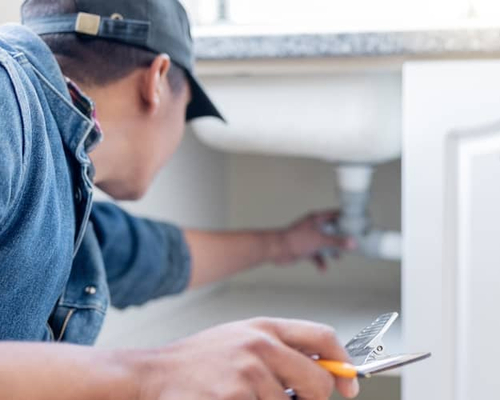
While new construction homes come with the appeal of pristine finishes, state-of-the-art systems, and the promise of a fresh start, that doesn’t mean you should skip inspections. New home inspections are a critical checkpoint that stands between you and potential costly issues down the road. Whether you're purchasing a completed home or building custom from the ground up, these inspections occur at important moments throughout the process, ensuring your investment is structurally sound, mechanically reliable, and truly ready for move-in day.
Key takeaways:
- A home inspection involves hiring a professional to examine a property for damage or other issues.
- Even when buying a new construction home, getting an inspection is important.
- Often, you’ll have an inspector visit new construction homes multiple times throughout the building process to ensure the home is constructed properly.
What is a new construction home inspection?
When you buy land and build a house, it’s essential that the home pass thorough new home inspections to ensure it meets the homeowner’s requirements and all safety and structural standards.
However, inspections aren’t automatic. You’ll have to hire an inspector to conduct the inspections on your behalf during the construction process of your new-construction home. Though schedules can vary based on the inspector and the terms you agree to when hiring them, professional home inspectors evaluate the home’s building process in phases:
- Before builders pour the foundation.
- Before they hang the drywall.
- After the home is completely built, but before homeowners move in.
The new construction phase inspection ensures builders aren’t cutting corners after they buy land and begin putting up houses, causing safety issues, or putting homeowners at risk of dealing with structural and financial headaches down the road. It’s usually your or your builder’s responsibility to order the inspection, as it protects your investment in the property.
New construction vs. regular home inspection
A home inspection on a new build differs from a regular home inspection because inspectors can evaluate the home’s structural integrity before builders do anything permanent. For example, if the inspector finds an issue before builders pour the foundation, you can ask builders to fix the issue based on your contract with them and prevent future complications after pouring the foundation.
In a regular home inspection, the inspector evaluates an already-built home. They can’t see things beyond the foundation or drywall, which could leave undetected defects that could cause problems down the road if there aren’t any current visible signs.
Independent inspection vs. municipal code inspection
One thing to keep in mind is that homes under construction will also undergo inspection by the local government’s inspectors. These inspections are intended to ensure that the builders are following local building codes and regulations.
These inspections are important as, without them, you may not receive a permit of occupancy, meaning you won’t be allowed to live in the home. In the worst case, the inspector may make the builder tear up and redo work if it wasn’t properly inspected by the municipal inspector.
While these inspections to ensure code compliance are important for safety, they don’t cover all of the things you would hire an independent inspector to check. A home can be up to code while still having defects you’d want remediated or without following your intended floorplan or other requirements.
See what you qualify for
Do you need a home inspection on a new build?
If you’re buying a new build home, you might wonder whether you need to hire an inspector at all. Hiring an inspector is a good idea because they can help protect you from making an expensive mistake by buying a poor-quality home. However, the type of inspector you hire and their expertise may differ based on the scenario.
If you are building from the ground up
If you’re working with a construction company to build a home from the ground up, hiring an inspector is doubly important. You’ll want to find an inspector who is experienced with new construction homes and phase inspections so that they can visit the home multiple times and have the expertise to look at a property under construction and identify problems with the build.
If you are buying a finished spec house
If you’re buying a spec house that is already finished, a more traditional home inspector will likely be sufficient. Because the home you want to buy is already finished, you will only need one inspection conducted. Any home inspector should be able to examine a fully constructed home and identify potential issues with it.
Take the first step toward the right mortgage
Apply online for expert recommendations with real interest rates and payments
Phases of a new construction inspection, explained
There are three phases to the new construction home inspection, each is equally important.
Phase 1: Pre-pour inspection
Before builders pour the foundation, inspectors can evaluate the preparation done to ensure structural integrity.
Items commonly inspected include:
- Elevation, drainage, and adequate grading
- Trenches and footers are proper width
- Installation of pipe casings is done to code
- Metal, beams, and tension cables are properly placed and connected
- Pipes and sleeves are set properly
- Placement of plastic vapor barriers is correct
- Water lines are installed properly
Phase 2: Pre-drywall inspection
After the foundation is poured, a professional home inspector should do a pre-drywall inspection before the builders hang the drywall. This is the last inspection before the home is closed with insulation and drywall and gives inspectors a chance to closely look at the home’s inner workings, such as plumbing, electrical, ducts, and the roof’s structure.
Items commonly inspected include:
- Framing to ensure it’s structurally sound
- Integrity of the wood used
- All exterior walls and windows
- Rough-ins for HVAC systems
- All fasteners, connectors, and bolts
- Exterior electrical, mechanical, and plumbing systems
Phase 3: Final inspection
The final inspection is the phase that’s most like a regular home inspection. This is when the inspector looks at all aspects of the completed home, ensures their integrity, and provides the builder with a list of any issues they must address before you occupy the home.
Items commonly inspected include:
- All major systems, plumbing, electrical, and mechanical
- Roof and attic integrity
- Structural soundness of walls, ceilings, windows, and doors
- HVAC and water supply systems
- All exterior components, including porch, patio, and deck
- Appliances
Phase 4: 11-month warranty inspection
When you buy a new construction home, the builders will typically offer a one-year warranty, protecting you from issues with workmanship and other problems with the construction of the home.
To make sure you get the most out of your warranty, you should bring your inspector out for one last inspection at the 11-month mark after buying your home. The inspector can examine the property for anything that may be covered under your home warranty, giving you a chance to have the builder remediate issues.
Items commonly inspected include:
- All major systems, plumbing, electrical, and mechanical
- Interior and exterior walls, windows, and doors
- HVAC systems
- Basements and crawlspaces
- Fireplace
- The roof and attic
See what you’re eligible for
Rocket Mortgage® uses information about your income, assets and credit to show you which mortgage options make sense for you
New construction home inspection checklist
When you’re getting a new construction home inspected, your inspector will typically follow this checklist to ensure every aspect of the home is examined.
Exterior, grading, and drainage
To begin with, the inspector will likely examine the exterior of the home, checking for issues with the landscape and soil around the property. For example, it’s important that the land be graded properly so that the home isn’t located in an area that will accumulate water, which could cause damage to the foundation or interior of the home. Proper drainage away from the home is important.
This part of the inspection will include checking soil and trenches, waste and vent lines, and elevation.
Framing and structure
The inspector will also examine the framing and structure of the property. How much and what precisely can be inspected will depend on the phase of the inspection. For example, during the pre-pour inspection, the inspector will likely focus on things like where the foundation will be placed.
At the pre-drywall inspection, a more focused inspection of the frame itself, stairwells, and water and vapor barriers can occur.
Plumbing, electrical, and HVAC
Also during the pre-drywall inspection, your inspector will examine all of the home’s major systems, including plumbing, electric, and HVAC. The inspector will make sure that all of the plumbing and electrical wires, as well as air ducts, are properly installed.
These things are essential to get right, as after drywall is placed, they will be covered by insulation and drywall and much more difficult to access to correct problems.
Roof, attic, and insulation
Your inspector will want to examine the home’s roof and attic, when possible, likely during the pre-drywall and final inspections. They’ll look to make sure that shingles are properly installed and not damaged, gutters and downspouts are working and not blocked, and that the attic does not have any leaks or issues that could lead to mold damage.
The inspector will also examine the insulation to make sure that the home is as insulated as possible without the insulation creating a hazard.
Appliances and final walkthrough items
During the final inspection, your inspector will examine the appliances in the home as well as any last-minute things that have been added to the home, such as cabinets, lighting, sinks, tubs, and additional structures like sheds.
Common problems found in new construction homes
Even if a home is newly built, doesn’t mean it’ll be in perfect condition. These are some of the most common problems found in new construction homes.
Drainage, foundation, and basement leak risks
The foundation is one of the most important parts of your home. It’s what holds your home up off the bare soil, so it’s essential that it be well-constructed. However, sometimes builders make mistakes such as improperly preparing the soil or pouring the concrete improperly.
This can lead to potential leaks in your basement or damage to the foundation, which can be incredibly costly to fix.
HVAC, insulation, plumbing, and electrical issues
Modern plumbing, electric, and HVAC systems can be highly complicated and involve a lot of interconnected pieces. Even an experienced builder can have issues installing the systems perfectly, but mistakes can cause major headaches. Poor water pressure, broken outlets, and breakers that trip frequently are all minor issues that can be avoided with a good inspection. More major problems, like leaking pipes, can lead to significant damage down the road.
Issues with insulation are also common, leading to some rooms feeling too warm or too cold depending on the season and contributing to higher energy costs.
Structural and roofing flaws
The roof of your home, like its foundation, is incredibly important. It keeps the weather and elements out of your living space, and it is exposed to hazards like rain, snow, hail, and more. Common problems like missing, misaligned, or damaged shingles or improper flashing around chimneys and vents can lead to a roof that doesn’t last if it should or that has leaks that can cause water damage in your home.
How much does a new construction home inspection cost?
The cost of a new construction inspection varies based on the area, size of the home, and type of inspection you want. If you want all three phases inspected, you’ll pay between $800 and $2,000, but if you only want one or two phases inspected, expect to pay $100 – $500 per phase.
This is just one of the many expenses to consider when determining the cost of building a house. It should be included in your budget, as you don’t want to skip the inspection phase.
How to order phase inspections on a new build
If you’re buying a new build home and plan to get phase inspections, keep these tips in mind.
Research and hire an inspector
Don’t assume all inspectors are good. Do your research, read reviews, and check out the Better Business Bureau before hiring an inspector.
Notify your builder early
Reputable builders will welcome an outside inspector to evaluate their work, but it’s always a good idea to let your builder know your intentions so they are aware. That can make it easier to coordinate and schedule a time for the inspection.
Coordinate inspections with the build timeline
Once everyone is on the same page, you can hire the inspector and connect him and the builder so they can determine the best timeline for the inspections. They’ll be able to work out the best schedule for inspections.
FAQ
Before hiring an inspector for a new construction home, keep these questions and answers in mind.
Does new construction need a home inspection?
Yes, a new construction home needs a home inspection just like any other home. Your inspector can examine the property and identify issues with the construction that you can ask the builder to remediate before you complete the purchase.
Is it worth getting a home inspection on a new build?
Yes, getting a home inspection is worth doing, even on a new build. The cost of an inspection pales in comparison to the price of a home or the potential repair cost should you buy a property that has problems an inspection could have identified.
What is the biggest red flag in a home inspection?
When it comes to new build home inspections, the biggest red flags tend to be around the structure and essential systems of the property. Issues like an improperly poured foundation, grading problems, roofing issues, or improperly installed plumbing and electrical systems can be very costly to fix and indicate poor quality work.
How long does a new construction home inspection take?
How long an inspection takes depends on the size of the property and what aspects of the home the inspector is examining. Expect an inspection to take between two and four hours.
When should you schedule a home inspection for new construction?
You should schedule a few separate inspections for a new construction home. One for before the foundation is poured, one before the drywall is placed, a final inspection before you close on the home, and an inspection 11 months after closing to identify any issues that may be covered under warranty.
Should you get an inspection before closing on a new home?
Yes, you should get an inspection before closing on a new home. The inspector can help identify potential problems with the property and could save you thousands or tens of thousands of dollars by letting you work with the seller to get issues repaired or remediated before closing.
The bottom line: Protect your investment with new-build inspections
If you are building your home from the ground up, new home inspections are a critical part of the process. They help ensure your home is safe, up to code, and built to last. By checking the construction at key phases – before the foundation is poured, before drywall is installed, and after completion – inspections catch issues early, when they’re easier and less costly to fix. While they add to your up-front costs, they can save you from big problems down the road, giving you peace of mind and protection on what is likely one of your biggest investments.
If you’re ready to buy a home, you can apply for a loan through Rocket Mortgage.

TJ Porter
TJ Porter has ten years of experience as a personal finance writer covering investing, banking, credit, and more.
TJ's interest in personal finance began as he looked for ways to stretch his own dollars through deals or reward points. In all of his writing, TJ aims to provide easy to understand and actionable content that can help readers make financial choices that work for them.
When he's not writing about finance, TJ enjoys games (of the video and board variety), cooking and reading.
Related resources
9-minute read
Blue tape walk-through checklist for new home buyers
Use this blue tape walk-through checklist to know what to bring, what to inspect and how to track builder repairs before closing. Get prepared today.
Read more
7-minute read
Buying a new-construction home
Buying a new-construction home can help you get the place of your dreams. Learn about the process, costs, benefits, and drawbacks so you know what to expect.
Read more
7-minute read
How to negotiate new construction home price
Are you looking to negotiate the price of a new-construction home? Learn how to make an offer and what to say in negotiations to walk away with a good deal.
Read more