How to buy a home in Florida
Contributed by Sarah Henseler
Jan 30, 2026
•8-minute read

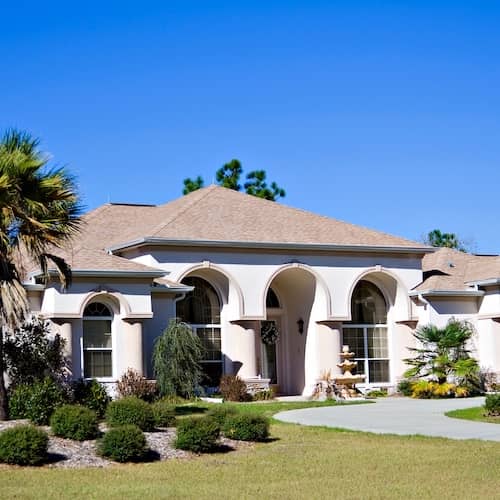
Florida is famous for its year-round sunshine, beautiful beaches, and sprawling cities, attracting home buyers from across the country. With relatively affordable home prices and a lower cost of living, Florida has a lot to offer.
Whether you’re moving across town or across the country, buying a home in Florida comes with unique considerations, from seasonal housing trends to insurance needs. Here’s what you should know so you can feel confident and prepared every step of the way.
A quick glance at Florida’s housing market
Florida’s market is generally more affordable than the national average, which is $439,869, though price varies depending on the region. Here’s an overview of the Florida housing market, as of October 2025.
|
Median home sale price |
$408,100 |
|
Median days on the market |
82 |
|
Number of homes for sale |
207,179 |
|
Primary selling seasons |
Spring and summer |
|
Popular metropolitan areas |
Jacksonville, Miami, Tampa, Orlando |
See what you qualify for
Florida real estate market trends
Florida is one of the top five states home buyers searched to move to, with Sarasota and Cape Coral seeing the largest number of searches, according to Redfin.
Home prices
The median home sale price in Florida is 6.5% lower than the national median, per Redfin’s October housing market data. Florida’s home prices have decreased slightly, down 0.97% compared to last year, though the picture changes depending on the neighborhood.
For example, cities like Miami and Hialeah have higher home prices compared to suburbs like Lauderhill and Englewood. You can use the Rocket Mortgage home affordability calculator to estimate how much you can afford in different areas.
Housing demand vs. inventory
Florida has a strong job market with an unemployment rate of 3.8% as of August 2025, below the national average. Popular industries include hospitality, tourism, tech, and aerospace. The state’s overall warm climate and waterfront communities appeal to those looking for an outdoor lifestyle.
Inventory has tightened in some cities due to delistings and fewer new listings. Many sellers are delisting or not selling their homes because of decreasing home values in their region. The good news is that each city’s housing market is different. So it’s important to work with an experienced agent who can help you navigate the local market.
Home buying seasons
Home sales in Florida primarily peak during the spring and summer months, with more available listings and buyers. Buying a home in the early fall to winter months could leave you with less competition and lower prices. However, depending on the local market, there could be fewer homes for sale during the off-season. There’s no universal best time to buy a house, as it depends on your personal goals.
Take the first step toward the right mortgage
Apply online for expert recommendations with real interest rates and payments
Top places to buy a home in Florida
If you’re wondering where you should live in Florida, here are six popular places to consider.
Jacksonville
Jacksonville is Florida’s most populous city, located in the northeastern part of the state. It’s a great place to live if you’re looking for a more affordable cost of living, easy access to the beach, and strong job opportunities. Jacksonville’s arts scene and abundant outdoor spaces add to its appeal, giving residents plenty of ways to enjoy the community and the sunshine.
- Population: 949,000*
- Median household income: $72,389*
- Median home sale price: $295,810
Miami
Miami is one of the most recognizable cities in Florida, known for its high-rise condos, art deco homes, and beachfront properties. This beachside metro attracts residents and tourists alike with its pristine beaches and cultural attractions. The homes in Miami are more expensive than in other cities, but there are plenty of affordable suburbs nearby, like Hialeah, Pembroke Pines, Hollywood, and Fort Lauderdale.
- Population: 442,200*
- Median household income: $66,337*
- Median home sale price: $600,000
Tampa
Tampa’s location along Tampa Bay and the Gulf Coast has made the city a business, cultural, and recreational hub. It provides easy access to nearby suburbs like Lakeland, Clearwater, and St. Petersburg. With its outdoor activities, higher education options, and year-round community events, Tampa offers a lifestyle that appeals to a wide range of home buyers.
- Population: $384,900*
- Median household income: $84,114*
- Median home sale price: $420,000
Orlando
Orlando is home to major attractions like Walt Disney World and Universal Orlando, but the city offers far more than tourism. Its job market, higher education options, and steady growth make it a strong choice for anyone looking for new opportunities or a place to settle down. With its many lakes and year-round mild weather, Orlando continues to attract home buyers from across Florida and beyond.
- Population: 307,500*
- Median household income: $77,597*
- Median home sale price: $442,500
St. Petersburg
St. Petersburg is one of the many cities located in the larger Tampa Bay area, close to Clearwater, Tampa, and Bradenton. The area is surrounded by Gulf Coast views and beaches, making it a popular area for boating, fishing, and golfing. St. Petersburg has an up-and-coming tech industry, making it a good area for those looking to relocate for work.
- Population: 258,300*
- Median household income: $73,048*
- Median home sale price: $435,000
Hialeah
Hialeah is a popular Miami suburb, located just west of the city. The home prices in Hialeah are significantly lower than those in Miami, making it a great place to buy a more affordable home with easy access to Miami.
- Population: 223,100*
- Median household income: $57,151*
- Median home sale price: $490,500
Find out how much you can afford
Your approval amount will give you an idea of the closing costs you’ll pay
Steps for buying a house in Florida
If you’ve decided to buy a house in Florida, we’ll guide you through each step of the process below.
1. Prepare your finances
The first step when buying a house is to prepare your finances, check your credit score, and set your budget. You want to know that you have enough funds to cover a down payment and closing costs.
- Determine your budget by using a mortgage calculator to see how much you can afford in different cities.
- Check your credit score
- Learn your debt-to-income ratio
- Save for a down payment
- Plan for closing costs
2. Explore mortgage options
There are various home loans available if you’re buying a home in Florida.
- Conforming conventional loans: These loans are offered by private lenders, who typically require a minimum 3% down payment.1 If your down payment is lower than 20%, you’ll have to pay private mortgage insurance (PMI).
- Jumbo loans: These conventional loans exceed conforming loan limits. They typically require a higher down payment, credit score, and additional cash reserves.
- FHA loans2: This is a government-backed loan through the Federal Housing Administration and offers lower down payments depending on your credit score.
- VA loans3: Backed by the Department of Veterans Affairs, these loans are for qualifying service members and surviving spouses and require no down payment.
- USDA loans: Backed by the U.S. Department of Agriculture, these loans are for home buyers in qualifying rural areas, with no down payment requirement. The USDA releases an updated map each year showing which areas are eligible. Rocket Mortgage doesn’t currently offer USDA loans.
Florida also offers first time-home buyer loans and down payment assistance programs through the Florida Housing Finance Corporation. If you qualify for one of these programs, it could reduce your down payment amount or closing costs, making it easier to buy your first home. Keep in mind that not all lenders accept all programs.
3. Get preapproved
A mortgage preapproval helps determine how much you can borrow for a home. Getting a preapproval at the beginning of your home search can help you stand out in a competitive market.
Lenders look at your credit score, income, and assets to determine what loans you could qualify for, possible interest rates in Florida, and overall loan terms. The process typically takes only a few days.
4. Find a reputable Florida real estate agent
A knowledgeable local agent is invaluable in Florida, especially in areas where flood zones, hurricane risk, and insurance requirements can affect your buying process.
There are plenty of ways to find a real estate agent, such as on Redfin.com. Be sure to look for a buyer’s agent to represent you. Some real estate agents might be dual agents, who represent buyers and sellers in the transaction. However, dual agency is illegal in Florida, so it’s important that your agent only represents buyers.
5. Start shopping for homes in Florida
Once you’ve narrowed down your search to an area that fits you and your family’s needs, it’s time to begin looking at homes for sale.
You and your real estate agent should work together to find listings on the MLS and sites like Redfin, and attend open houses.
Ask questions like:
- How far is the commute?
- What school district is the neighborhood located in?
- Are there parks, shopping centers, and restaurants nearby?
- Is there public transportation nearby or major roads and highways?
- Does the neighborhood have HOA fees? If so, what is the cost?
- What are property taxes like in the city?
6. Make an offer and negotiate
Your real estate agent will guide you through making an offer on a house in Florida. You’ll need to decide how much to offer, what contingencies to include, and the earnest money deposit amount. Earnest money shows you’re serious about buying the home. It’s usually 1% – 3% of the home price that’s applied to your down payment later.
Your offer might be accepted or rejected, or you might need to negotiate. Keep in mind that you don’t have to negotiate the home’s purchase price; you can negotiate seller concessions, contingencies, or change the closing date.
7. Proceed to close on your Florida home
Once your offer is accepted, you’ll:
- Submit your earnest money deposit
- Apply for your mortgage
- Schedule your home inspection and appraisal
- Review your Closing Disclosure
- Prepare for closing day
In Florida, closing costs often range from 3-6% of the purchase price. Closing costs typically include escrow fees, home insurance, possible property taxes, home inspection fees, and loan origination fees.
FAQ about home buying in Florida
Now that you know how to buy a house in Florida, here are some of the top frequently asked questions about the process.
Can I buy a house in Florida if I have bad credit?
Yes. An FHA loan may be an option if your credit needs improvement. Just keep in mind that lower credit scores could potentially lead to higher interest rates, a higher down payment, and fewer loan options.
Is buying a home in Florida a good investment?
Florida’s affordable home prices and mild weather could make it a good investment for you. You’ll also want to consider insurance costs and the potential for flooding or hurricanes.
How much are property taxes in Florida?
On average, the effective property tax rate in Florida is 0.79%, however, local rates can vary by city and county.
Are there any specific factors that could affect the home buying process in Florida?
Some areas in Florida are high-risk flood zones and are prone to hurricanes. Your lender could require you to carry flood or hurricane insurance.
How long does it take to buy a house in Florida?
After your offer is accepted, it typically takes about 30 to 60 days to close on a home. Other factors, like home inspection issues and loan approval, can impact this timeline.
The bottom line: The Sunshine State has a home for you
Florida has more affordable homes compared to the national average, access to outdoor recreation, and job opportunities. While home prices have been declining, the state is still one of the top destinations people are moving to. Working with an experienced Florida real estate agent can help you through the nuances of buying a home and find the right area to call home.
If you’re ready to buy a home in the Sunshine State, start the mortgage approval process with Rocket Mortgage® for a personalized plan that fits your financial goals.
1 Rocket Mortgage is a VA-approved lender, not endorsed or sponsored by the Dept. of Veterans Affairs or any government agency.
2 Rocket Mortgage is not acting on behalf of FHA or HUD.
3 The 3% down payment option is only available on certain conventional loan products and is not available in all states. Additional terms and conditions may apply.

Alison Bentley
A California-native, Alison has lived in Seattle for the last several years and enjoys the concert scene and buying fresh produce at farmers markets. In her free time, she loves traveling, writing, painting, and finding a new book to read or recipe to bake.
Related resources

13-minute read
How to buy a house in 2026: A step-by-step guide
Learn how to buy a house in 2026 with 13 clear steps, from budgeting and preapproval to inspections, closing and getting the keys. Start here.
Read more

8-minute read
A guide to first-time home buyer programs, loans and grants
If you’re new to homeownership, first-time home buyer assistance programs can help you with down payments and more. Discover some of your options.
Read more

6-minute read
Home buying rules: 9 essential steps for buyers
When buying a home, it helps to start with the basic rul...
Read more