How to buy a home in West Virginia
Contributed by Sarah Henseler
Feb 20, 2026
•7-minute read

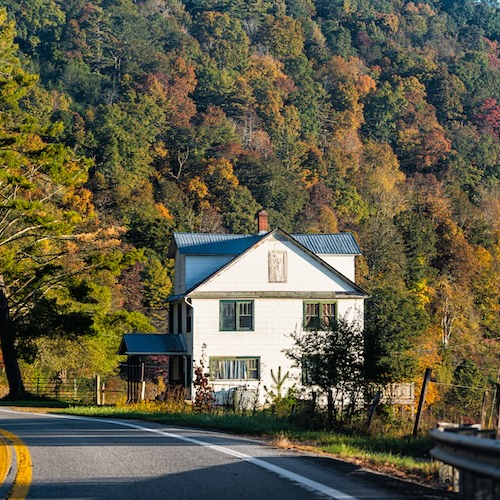
West Virginia is a state where people come to build a future, whether you're a first-time buyer, moving for a career, or seeking a change in pace in the Mountain State. With the beautiful Appalachian Mountains and the energy of Charleston, it’s easy to see why so many people call this state home.
Though West Virginia’s housing market can be competitive, it doesn’t have to hold you back. With thoughtful planning and guidance, you can move forward with confidence. This guide will help you understand what to expect buying a home in West Virginia, what’s possible, and how to navigate West Virginia’s housing landscape.
West Virginia’s housing market at a glance
The West Virginia housing market can be competitive, with limited inventory in some areas Here’s a view of the West Virginia housing market, as of November 2025:
|
Median home price |
$252,500 |
|---|---|
|
Median days on the market |
60 |
|
Number of homes for sale |
6,021 |
|
Peak selling seasons |
Spring and summer |
|
Most popular metropolitan areas |
Charleston, Huntington, Morgantown, Parkersburg |
See what you qualify for
Understanding the housing market in West Virginia
West Virginia’s real estate market is shaped by rising home prices, increased number of homes for sale, and shifts in buyer demand. Here’s what’s driving those trends, and what they mean for you.
The median home price is $252,500
As of November, the state’s median home price sits at $252,500, which is significantly lower than the national median of $433,275. While prices in the state rose 3% year over year, they remain more affordable due to the following factors:
- Location: Prices are highest in large cities like Charleston and Huntington, while smaller cities and rural communities such as Fairmont or Wheeling often have lower prices.
- Type of home: Single-family homes, townhomes, and condos vary widely in price depending on size, age, condition, and amenities.
- Fair market value: Appraised and assessed values affect pricing, with properties in popular neighborhoods or those with desirable features often carrying a premium.
Even with West Virginia’s relatively affordable home prices, affordability can still vary by location and competition. To get a clearer idea of what you can afford in your target neighborhood, consider using a home affordability calculator from Rocket Mortgage®.
Market trends and inventory
West Virginia’s affordable housing, mountainous landscapes, and relaxed lifestyle attract new residents, increasing housing demand. Charles Town, Moorefield, and Westover are showing notable growth. According to Redfin, 17.4% of homes are selling above list price.
There’s positive news for buyers: Housing inventory in West Virginia has risen 10.7% year over year, faster than the national increase of 4.7%. With more homes available and listings seeing price reductions, buyers will experience less competition. The state is also working to expand housing options through investments in development and affordable housing.
With market conditions varying widely by city and neighborhood, working with a knowledgeable real estate agent can help you navigate the state’s housing landscape.
Spring and Summer are peak shopping seasons
In West Virginia, spring and summer are the best times of year to buy a home. Inventory typically rises, but buyer competition increases too, especially from June through August, when prices peak and bidding wars are common. If you’re shopping during these seasons, staying prepared and acting quickly can give you an advantage.
Buying in fall or winter offers a different experience. While there are typically fewer home listings, you’ll often benefit from price reductions, stronger negotiating power, and a calmer home buying experience.
Take the first step toward the right mortgage
Apply online for expert recommendations with real interest rates and payments
How to buy a home in West Virginia: Step-by-step
Navigating the home buying journey is easier with a clear roadmap of the process. These are the steps to buying a home in West Virginia.
1. Check your credit and set a budget
Before house hunting, it’s important to understand your financial health. Use a mortgage calculator to get a realistic sense of your price range and monthly payment. A strong credit score is ideal for mortgage eligibility and better interest rates. Lenders will also evaluate factors like your debt-to-income (DTI) ratio, employment history, and available assets.
If you’re buying for the first time, plan ahead for key first-time home buyer expenses including your down payment, closing costs, inspection fees, and property taxes.
2. Decide on the type of financing you want
Before touring homes, take the time to explore your mortgage options. In West Virginia, you’ll have access to several mortgage types, each with its own eligibility requirements, down payment minimums, and benefits:
|
Conventional |
||||
|---|---|---|---|---|
|
Minimum down payment |
3% – 20% |
3.5% |
0% |
0% |
|
Minimum credit score |
620+ |
580 |
Flexible |
Flexible |
|
PMI required if <20% down |
MIP required |
None; funding fee may apply |
Annual guarantee fee instead of PMI |
|
|
Income limit |
None |
None |
None |
Must be within the low- to-moderate-income limit in the area |
|
Debt-to-income ratio |
Up to 45% |
Up to 50% (varies by lender) |
Up to 41%, some flexibility |
Up to 41%, some flexibility |
|
Other requirements |
Strong credit history and steady income |
Home must meet FHA appraisal standards. |
Military service and Certificate of Eligibility required |
Home must meet USDA property standards. |
Make an offer that will get accepted
Get a Verified Approval from Rocket Mortgage®
3. Apply for preapproval
In West Virginia's housing market, obtaining mortgage preapproval is a powerful early step. Preapproval gives you an idea of your borrowing power and potential mortgage rate in West Virginia. It also signals to sellers that you’re a serious, qualified buyer, giving your offers more weight. This stage in the home buying journey can help you set a clear budget, giving you direction for your home search.
4. Hire a reputable West Virginia real estate agent
Partnering with an experienced real estate agent can make a huge difference when purchasing a home in West Virginia. They’ll help you guide you through the local housing market, simplify the buying process, and provide insights on property values, regulations, trends, property rights. Redfin is one resource for finding an agent.
It’s also worth noting that West Virginia allows dual agency, meaning one agent can represent both the buyer and seller. You can also choose to work with an agent who focuses solely on your interests throughout the transaction.
5. Start house hunting
Once you’re prepared, it’s time to start searching for a home. Work with your real estate agent to explore cities and towns in West Virginia that fit with your lifestyle, priorities, and long-term goals. Check the latest listings on sites like Redfin or the MLS to see what’s available.
Attend open houses, both virtually and in person, to get a true feel for the home and neighborhood you’re considering.
As you search, keep these factors in mind:
- Education and career opportunities
- Recreation and amenities including parks, shopping, and restaurants
- Transportation options like public transit and major roadways
- Homeowners association fees if applicable
- Property taxes
6. Make an offer and negotiate
Once you’ve found a home you love, the next step is submitting an offer. In West Virginia, buyers typically submit a formal purchase and sale agreement that specifies an offer price, earnest money, contingencies, and a proposed closing schedule.
West Virginia is a full-disclosure state, meaning sellers are required to share certain details about the property. Unlike certain states, West Virginia buyers and sellers aren’t required to hire a real estate attorney, so your agent can guide most of the process.
Many buyers include contingencies to safeguard their interests during the transaction. One example is an appraisal contingency, which ensures the home’s appraised value meets or exceeds the purchase price before the sale moves forward.
7. Proceed to close on your West Virginia home
Closing is the final stage in the home buying process. During closing, you’ll finalize your mortgage, secure homeowners insurance, complete a title search, and pay closing costs. In West Virginia, these costs typically range from 2% to 5% of the purchase price. These expenses could include loan origination fees, appraisal fees, title insurance, escrow fees, recording fees, and prepaid expenses like property taxes and insurance.
Once everything is signed and funded, you’ll receive your keys and become a West Virginia homeowner.
FAQs about buying a home in West Virginia
Here are some of the most common questions people ask when purchasing a home in West Virginia.
How much do I need to buy a house in West Virginia?
The amount you need to buy a home in West Virginia varies by city, budget, down payment, and mortgage type. Tools like the Rocket Mortgage® affordability calculator can give you a clear estimate.
What credit score is needed to buy a house in West Virginia?
You generally need a credit score of 620 or higher for a conventional mortgage in West Virginia. FHA loans and other programs may be available with lower scores, though they could require higher rates or larger down payments.
Do I need a real estate agent to buy a home in West Virginia?
A real estate agent isn’t required to buy a home in West Virginia, but working with one is strongly recommended. An experienced agent can guide you through the local market, manage paperwork, and negotiate the best deal.
How long does it take to close on a house in West Virginia?
It typically takes about 30 to 60 days once your offer is accepted. This can vary based on loan type and housing market conditions.
Are there any West Virginia specific factors that could affect the home buying process?
Several local factors can influence your home purchase in West Virginia. The state’s mix of urban and rural areas means property values can vary widely depending on location. Mountainous terrain and flood-prone areas may also impact insurance requirements and property inspections.
Additionally, local property taxes, HOA fees, and community-specific regulations can affect your overall budget and buying timeline.
The bottom line: There’s a home for in West Virginia waiting for you
While home prices have risen and competition can be strong in popular areas, being financially prepared and working with a knowledgeable local agent are key steps to buying a home in West Virginia. Between the friendly communities, beautiful landscapes, and easy access to outdoor adventures, West Virginia offers a lifestyle that’s unbeatable.
If you’re ready for your next chapter in The Mountain State, talk to a Rocket Mortgage® Home Loan Expert to find the right financing for you.
Rocket Mortgage is a VA-approved lender, not endorsed or sponsored by the Dept. of Veterans Affairs or any government agency.
Rocket Mortgage is not acting on behalf of FHA or HUD.
The 3% down payment option is only available on certain conventional loan products and is not available in all states. Additional terms and conditions may apply.
This article is for informational purposes only and is not intended to provide financial, investment, or tax advice. You should consult a qualified financial or tax professional before making decisions regarding your retirement funds or mortgage.

Sarah Ford
Sarah Ford is a Seattle-based content marketer at Redfin. She graduated from Western Washington University with a BA in Business Marketing and Management Information Systems, and now enjoys writing about the homebuying journey. In her free time, she loves to read, take walks by the lake, watch movies, and spend time with friends and family.
Related Resources

12-minute read
Mortgage preapproval: How to get preapproved
Mortgage preapproval helps you set a home budget and strengthen your offer. Learn what you need, how it works and when to apply.
Read more
6-minute read
What is a jumbo loan in West Virginia? 2026 jumbo mortgage limits and requirements
Discover the 2026 jumbo loan limits in West Virginia, how they compare to conforming loans, and what home buyers should know about qualifying for larger mort...
Read more

7-minute read
Down payment assistance programs: What they are, and how they work
Learn how down payment assistance programs work, who qualifies, and where to find grants or loans that can help with upfront home buying costs. Start here.
Read more