How to buy a home in New Mexico
Contributed by Sarah Henseler
Feb 17, 2026
•8-minute read

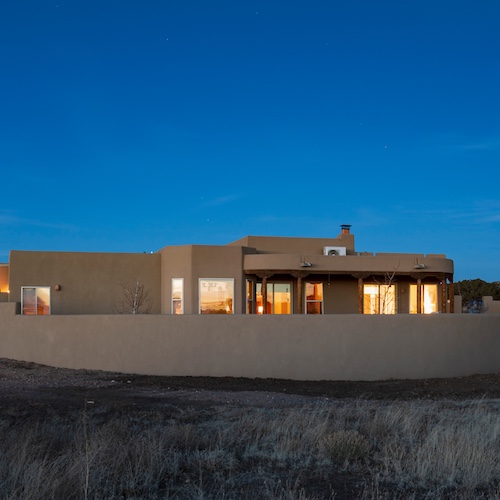
New Mexico draws people looking to build a new life, whether you’re a first-time home buyer, relocating for work, or looking for a fresh start in the Southwest. With everything from the high desert landscapes to the excitement of Santa Fe and Albuquerque, it’s easy to see why so many feel at home here.
While New Mexico’s housing market can be competitive, it doesn’t have to hold you back. With the right preparation and guidance, you can move forward confidently. This guide will help you understand what to expect, what’s possible, and how to navigate New Mexico’s housing market.
A quick glance at New Mexico’s housing market
The New Mexico housing market remains active, with prices slightly below the national median. Here’s a snapshot of the market as of October 2025:
|
Median home sale price |
$405,000 |
|
Median days on the market |
69 |
|
Number of homes for sale |
5,519 |
|
Primary selling seasons |
Spring and summer |
|
Popular metropolitan areas |
Albuquerque, Las Cruces, Rio Rancho, Santa Fe |
See what you qualify for
Important New Mexico real estate market trends
The New Mexico real estate market is shaped by steady demand, modest supply, and rising home prices. Here’s what’s driving these trends and what they mean for buyers.
Home prices
New Mexico’s median home price is $405,000, slightly below the national median of $439,917. Home prices have risen 4.3% over the past year, reflecting steady demand across the state. Prices vary depending on several factors:
-
Location: Homes in high-demand areas like Santa Fe and Los Alamos typically come with higher price points, while smaller cities such as Los Lunas or Rio Communities offer more affordable options.
-
Property characteristics: Size, age, condition, and available amenities all affect a home’s cost.
-
Construction and land costs: While New Mexico generally has lower construction costs than coastal states, limited land in popular areas can increase new home prices.
-
State and local housing regulations: Zoning restrictions and development rules can impact supply, pushing prices higher in sought-after regions.
Even with relatively moderate incomes compared with national averages, home affordability remains a consideration for many buyers due to rising prices in high-demand communities.
Housing demand vs. inventory
New Mexico’s unique lifestyle, culture, and outdoor beauty attract new residents, driving steady housing demand. Cities like Santa Fe, Albuquerque, and Rio Rancho are seeing notable growth. In October 2025, just 2.4% of homes sold above list price, reflecting a market that is competitive but less intense than in many other states.
There’s good news for buyers: New Mexico’s housing inventory is up 5.8% year over year, providing more options for those looking to purchase. The state is also working to increase housing availability through investments in affordable housing and attainable housing projects.
With so many factors shaping the market, working with a knowledgeable local real estate agent can help you navigate New Mexico’s housing landscape and make confident decisions.
Home buying seasons
In New Mexico, the best time to buy a home is typically spring and summer. You’ll find more homes on the market during this period, especially from March through August, but you’ll also face more competition as buyer activity increases. Late spring and early summer often see homes sell faster, so be prepared to move quickly.
Buying in fall or winter has its own benefits. Inventory is usually lower, but buyer demand also slows down. This often translates to less competition, more negotiating power, and price reductions, making these seasons appealing for buyers who value flexibility and savings.
Take the first step toward the right mortgage
Apply online for expert recommendations with real interest rates and payments
Top places to buy a home in New Mexico
When deciding where to live in New Mexico, consider your budget, career and educational needs, and lifestyle.
Albuquerque
Albuquerque is New Mexico’s largest city, known for its desert landscapes, the Sandia Mountains, and the Rio Grande. The city attracts professionals in technology, education, and healthcare, as well as buyers looking to experience both city life and Southwestern charm. Neighborhoods range from historic districts like Old Town to modern suburbs offering family-friendly communities.
-
Population: 564,559
-
Median household income: $71,494
-
Median home price: $350,000
Las Cruces
Las Cruces, located in southern New Mexico, is known for its desert scenery, agricultural roots, and proximity to the Organ Mountains. The city appeals to residents seeking a slower pace of life, affordable housing, and access to outdoor recreation. Suburbs and nearby communities offer family-friendly neighborhoods and a strong sense of community.
-
Population: 111,385
-
Median household income: $58,871
-
Median home price: $298,950
Rio Rancho
Rio Rancho is a growing city northwest of Albuquerque, known for its friendly neighborhoods, good schools, and expanding job opportunities. This area offers more affordable housing compared with Albuquerque, making it popular with first-time buyers and those seeking suburban living with easy access to the city.
-
Population: 104,046
-
Median household income: $98,374
-
Median home price: $370,000
Santa Fe
Santa Fe, New Mexico’s capital, is renowned for its history, adobe architecture, and artistic community. The city attracts buyers interested in history, creativity, and outdoor recreation with nearby hiking in the Sangre de Cristo Mountains and skiing at Ski Santa Fe. Neighborhoods range from historic districts to more contemporary suburbs, appealing to both second-home buyers and those looking to settle full-time.
-
Population: 87,505
-
Median household income: $82,121
-
Median home price: $602,000
Roswell
Roswell, located in southeastern New Mexico, is famously known for its UFO lore and annual UFO Festival, drawing in tourists from all over. Beyond its pop culture fame, Roswell offers an affordable cost of living and a slower pace of life. The city appeals to buyers looking for historic neighborhoods, single-family homes, and easy access to local parks and cultural attractions.
-
Population: 92,833
-
Median household income: $126,528
-
Median home price: $287,000
Farmington
Farmington, in northwestern New Mexico, is known as the Four Corners region and a center for energy and natural resource industries. The city appeals to outdoor recreation lovers who enjoy hiking, fishing, and skiing. Farmington’s neighborhoods offer a suburban feel with easy access to nearby Navajo Nation communities and scenic desert landscapes.
-
Population: 46,624
-
Median household income: $63,745
-
Median home price: $310,000
Steps for buying a house in New Mexico
A clear plan makes the home buying process easier to navigate. These are the steps to buying a home in New Mexico.
1. Prepare your finances
The first step in purchasing a home in New Mexico is reviewing your financial situation. Here’s how to be prepared:
-
Assess your budget and use a mortgage calculator from Rocket Mortgage® to explore payment options in different cities.
-
Check your credit score.
-
Understand your debt-to-income ratio (DTI) to determine what you can realistically afford.
-
Begin saving early for a down payment.
-
Factor in closing costs and other fees.
2. Explore mortgage options
When buying a home in New Mexico, you’ll have several mortgage options to consider:
-
Conventional loans: Not government-backed, typically requiring a credit score of at least 620 and a down payment as low as 3%. Private mortgage insurance (PMI) is required if your down payment is under 20%.
-
Jumbo loans: Conventional loans that exceed FHFA conforming limits. Lenders set their own requirements, but a credit score above 700 is usually necessary.
-
FHA loans: Government-backed loans from the Federal Housing Administration, popular with first-time buyers. These loans often allow lower credit scores depending on your down payment.
-
VA loans: Available to eligible veterans, active-duty military, and surviving spouses, often with no down payment required.
-
USDA loans: Designed for low- to moderate-income buyers in eligible rural areas, often requiring no down payment.
You may also qualify for New Mexico-specific programs, such as assistance through the New Mexico Mortgage Finance Authority (MFA). These programs can help with down payment and closing costs.
3. Get preapproved
Before starting your home search in New Mexico, it’s ideal to get preapproved for a mortgage. Preapproval helps you understand how much you can borrow and provides an estimate of your mortgage rate. It also makes your offer more appealing to sellers by showing that you’re financially prepared, while helping you set a realistic budget for your home search.
4. Find a reputable New Mexico real estate agent
A knowledgeable real estate agent is an invaluable resource when buying a home in New Mexico. They can help you navigate the state’s local markets, the homebuying process, and offer expertise on regulations, market trends, property rights, and home values. Redfin is one option for connecting with a qualified agent.
New Mexico allows dual agency, meaning a single agent can represent both the buyer and the seller. If this happens, the agent must fully disclose the arrangement and obtain written consent from both parties.
5. Start shopping for homes in New Mexico
Next, it’s time to begin your home search. Work with your real estate agent to explore New Mexico cities and neighborhoods that align with your lifestyle and long-term plans. Look through current listings on sites like Redfin or the MLS to see what’s on the market.
Attend open houses, both in person and online, to get a better feel for the home and neighborhood.
As you search, keep these considerations in mind:
-
Education and local employment opportunities
-
Recreation and amenities such as parks, shopping, and dining
-
Transportation options, including major roadways and public transit where available
-
Homeowners association fees, if applicable
6. Make an offer and negotiate
Once you’ve found the right home, it’s time to make an offer. In New Mexico, this typically includes a formal purchase agreement that outlines the offer amount, earnest money, contingencies, and a proposed closing timeline.
New Mexico is a non-disclosure state, meaning sellers are not required to disclose the sale price of a home to the public. New Mexico doesn’t require buyers or sellers to hire a real estate attorney, so your agent will guide you through most of the process.
To help protect your interests, most buyers include contingencies like a home inspection. A home inspection contingency allows you to evaluate the property with a licensed inspector and request repairs or credits if needed.
7. Proceed to close on your New Mexico home
Closing is the final stage in the home buying process. At this point, you’ll finalize your mortgage, secure homeowners insurance, complete a title search, and cover your closing costs. In New Mexico, closing costs typically range from 2% to 5% of the purchase price and could include loan origination fees, appraisal fees, title insurance, escrow fees, recording fees, and prepaid expenses like property taxes and insurance.
After everything is signed and funds are transferred, you’ll receive your keys and officially become a New Mexico homeowner.
Find out how much you can afford
Your approval amount will give you an idea of the closing costs you’ll pay
FAQ about buying a home in New Mexico
Here are some of the most common questions people ask when buying a home in New Mexico.
Can I buy a house in New Mexico if I have bad credit?
Yes, it’s possible to buy a house with bad credit in New Mexico. Loan options like FHA mortgages could help make homeownership more accessible, though you may experience higher interest rates or need a larger down payment.
Is buying a home in New Mexico a good investment?
New Mexico’s steady housing demand, growing population in key cities, and long-term appreciation trends can make purchasing a home a solid investment for many buyers.
What salary do I need to afford a house in New Mexico?
To afford a median-priced home in New Mexico, buyers generally need $111,200, which is lower than the national average. Your exact salary will depend on factors like mortgage rates, down payment size, debt levels, and local housing costs.
How much are property taxes in New Mexico?
On average, New Mexico property taxes are 0.72%, though rates vary by county and local jurisdiction.
How long does it take to buy a house in Washington?
It typically takes about 30 to 60 days once your offer is accepted. This can vary based on loan type and housing market conditions.
Are there any New Mexico specific factors that could affect the home buying process?
Yes. Several factors can influence the home buying experience. In rural or high-desert areas, buyers may need to account for private wells, septic systems, or unpaved access roads, which can require additional inspections.
Wildfire risk and drought conditions can also affect homeowners insurance availability and costs. In historic areas such as Santa Fe, zoning rules or preservation guidelines may impact renovations or property use.
The bottom line: The Land of Enchantment has a home for you
While some areas of New Mexico are competitive, being financially prepared and working with a knowledgeable local agent can help you navigate the market with confidence. With its rich culture and more affordable home prices, New Mexico offers a unique and welcoming place to put down roots.
If you’re ready for your next chapter in the Evergreen State, apply for a mortgage with Rocket Mortgage.
Rocket Mortgage is a VA-approved lender, not endorsed or sponsored by the Dept. of Veterans Affairs or any government agency.
Rocket Mortgage is not acting on behalf of FHA or HUD.
The 3% down payment option is only available on certain conventional loan products and is not available in all states. Additional terms and conditions may apply.
This article is for informational purposes only and is not intended to provide financial, investment, or tax advice. You should consult a qualified financial or tax professional before making decisions regarding your retirement funds or mortgage.

Sarah Ford
Sarah Ford is a Seattle-based content marketer at Redfin. She graduated from Western Washington University with a BA in Business Marketing and Management Information Systems, and now enjoys writing about the homebuying journey. In her free time, she loves to read, take walks by the lake, watch movies, and spend time with friends and family.
Related resources

5-minute read
Cost-of-living calculator
Can you maintain your current standard of living if you move to a new city? Calculate the cost of living between two cities to find out.
Read more
10-minute read
Checklist for buying your first house
The process of buying a home can be complicated, especially for first-time buyers. Make it simpler with this house buying checklist.
Read more
8-minute read
Median home prices by state: A 2024 guide
Curious which states have the lowest or highest house prices? Check out our complete breakdown of median home prices by state for 2024 and more in our guide.
Read more