Average closing costs in Texas
Contributed by Tom McLean
Jan 21, 2026
•5-minute read

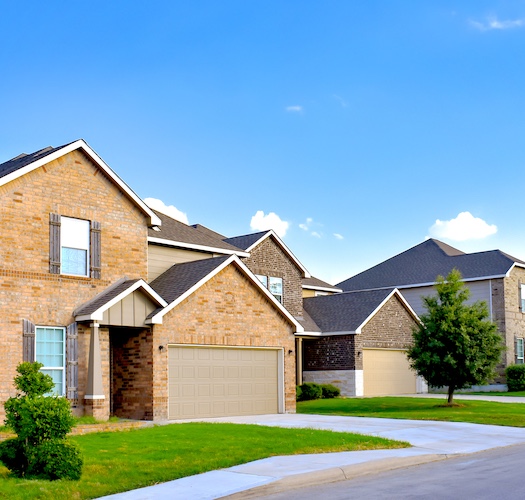
You must pay closing costs when you buy a home in Texas. Closing costs are paid to your lender, real estate agent, and other third parties for services related to getting a mortgage and transferring legal ownership of the property. Both buyers and sellers typically pay closing costs, which usually amount to a percentage of the loan amount.
Key takeaways:
- Closing costs in Texas can vary widely: The total amount you’ll pay depends on factors like your loan type, home price, lender fees and local taxes.
- Texas buyers typically pay lender and prepaid costs: These may include appraisal fees, title insurance, escrow funds and prepaid interest, while sellers often cover agent commissions.
- Reviewing your Loan Estimate can help you plan ahead: Looking closely at your estimated closing costs early in the process can help you budget accurately and avoid last-minute surprises.
How much are closing costs in Texas?
The average closing costs in Texas on a home purchase are $3,713, including recording fees and taxes, according to 2025 data from LodeStar Software Solutions. That's 31.3% lower than the national average of $5,410.
Without recording and taxes, average Texas closing costs are $3,529, which is 24.3% less than the national average of $4,661.
Closing costs can vary significantly depending on location, home price, and other factors.
The median home price in Texas in 2025 was $397,689, according to LodeStar. That's 9.2% lower than the national median sale price of $438,236.
The average closing cost percentage in Texas is about 0.93% of the home’s sale price, including recording fees and taxes, which is lower than the national average of 1.06%. Without recording and taxes, the national average is 0.86%.
See what you qualify for
What do closing costs in Texas include?
Rolled up into the closing costs include the following fees:
- Lender-related fees: Lender fees can include the costs to process your application, origination, credit check, and rate lock.
- Appraisal fees: Your lender will order an home appraisal. Appraisals are independent assessments of a property's value, used by the lender to ensure the house is worth enough to justify the loan.
- Home inspection fees: The home inspection differs from an appraisal. In an inspection, an independent home inspector examines the property and documents its condition. If the home is unsafe or its systems are not working correctly, the home inspection will note that.
- Title search and insurance: A title search reviews public records to ensure the seller is the rightful property owner. Title insurance protects your lender if a previously unknown claim of legal ownership is made against the home. Examples include unpaid property taxes or a contractor who worked on the home saying he was not paid for the work by a previous owner.
- Survey fees: A land survey confirms the property's boundary lines.
- Courier fees: These fees cover the cost of delivering documents during the transaction.
- Recording fees: Recording fees are paid to local government offices to update public land ownership records.
- Notary fees: Real estate notary fees cover the cost for a real estate notary to confirm your identity and notarize your documents.
- Prepaid costs: You may need to pay some fees in advance, such as property taxes, homeowners insurance. If your home is part of a homeowners association, you may need to pay advance HOA fees.
- Mortgage insurance: If you're buying a home with a government-backed loan, you may need to pay a form of mortgage insurance at closing. For FHA loans, it's called mortgage insurance premiums. Borrowers purchasing a home with a VA loan may be required to pay a funding fee, while USDA loan borrowers must pay a guarantee fee.
- Attorney fees: Some states require the presence of an attorney at closing. You also can hire your own attorney to review and advise you on which documents to sign during closing.
- Rate lock fees: A mortgage rate lock freezes your interest rate for a specified period, protecting you from potential rate increases.
- Mortgage discount points: Mortgage points are a form of interest paid up front in exchange for a lower interest rate. One point usually costs 1% of the loan amount.
- Real estate agent fees: Real estate agent or REALTOR® fees compensate them for representing you in the sale. They typically charge a percentage of the purchase price, but they may charge a flat fee instead.
Take the first step toward the right mortgage
Apply online for expert recommendations with real interest rates and payments
Who pays closing costs in Texas?
Both parties are responsible for specific closing costs. It's important to note that sellers may agree to cover some of the buyer's costs during a real estate transaction.
Closing costs for buyers
Buyers in Texas usually pay lender- and property-related closing expenses, such as:
- Loan application or origination fees
- Home appraisal and inspection fees
- Buyer’s title insurance and title search fees
- Prepaid expenses
- Recording and notary fees
- Attorney fees
- Mortgage points
Closing costs for sellers
Sellers have unique closing costs and some shared with buyers in Texas, including the potential for the following:
- Real estate agent commissions
- Owner’s title insurance and other title fees
- Prorated property taxes and HOA fees
- Deed preparation and recording fees
- Outstanding mortgages and liens
- Attorney fees
- Any seller concessions, which are arrangements where the seller covers certain costs or fees to make the purchase more accessible for buyers
Learn more about selling a house with a mortgage.
Find out how much you can afford
Your approval amount will give you an idea of the closing costs you’ll pay
How to save on your Texas closing costs
Some closing process costs are negotiable. For example, you may want to research eligibility for home buyer assistance programs, shop around for a lender with lower closing costs, or negotiate seller concessions.
You may want to consider no-closing-cost mortgages, which incorporate your closing costs into the loan amount. This saves you money up front, but it likely will cost you more overall.
You also can compare several mortgage lenders before you choose a mortgage lender to save as much money as possible.
FAQ
Here are answers to common questions about average closing costs when buying a home in Texas.
Do I need to pay for a real estate attorney in Texas?
Texas buyers and sellers are not required to hire an attorney. Texas law requires a state-licensed attorney to prepare or review the legal documents for the real estate transfer, a requirement usually fulfilled by the lender. The costs of a real estate attorney will depend on the hourly or fixed rate they charge.
What are tips for saving up for Texas closing costs?
How much money do you need saved up to buy a house and for cash to close? The amount varies depending on several factors, but the most important is the cost of the home you plan to buy. Consider budgeting for closing costs when you're saving for the down payment. Use this affordability calculator from Rocket Mortgage® to help you estimate how much you can afford.
When do Texas buyers find out their closing costs?
Borrowers receive a Loan Estimate, which includes closing costs within 3 business days of submitting their mortgage application. The final amount is listed on the Closing Disclosure, which borrowers receive at least 3 business days before closing.
Can I deduct my closing costs on my taxes in Texas?
In most cases, no, closing costs don’t qualify for a tax deduction. However, you may be able to deduct other items at the federal or state level, like prepaid interest, points, and property taxes. Consult a tax preparation professional to learn more about your potential deductions.
When and how do I pay for my Texas closing costs?
Closing costs are paid at closing, which typically takes 30 to 60 days after the home offer is accepted. You usually pay closing costs via cashier’s check, certified check, or wire transfer. Ask your lender about the exact process and details so you're prepared on the day of closing.
The bottom line: Budget for your Texas closing costs
Texas closing costs are higher than average, so it’s important to understand what you need to pay at closing. Get familiar with the amount and types of closing costs you’ll likely pay in Texas and save up for the expense so you’re ready to hit the ground running.
Ready to buy a home in Texas? Start your application with Rocket Mortgage today.

Melissa Brock
Melissa Brock is a freelance writer and editor who writes about higher education, trading, investing, personal finance, cryptocurrency, mortgages and insurance. Melissa also writes SEO-driven blog copy for independent educational consultants and runs her website, College Money Tips, to help families navigate the college journey. She spent 12 years in the admission office at her alma mater.
Related Resources

10-minute read
What are closing costs and how much will you pay?
Closing costs can add thousands to your home purchase. Learn what’s included, who pays, and how to estimate your costs before you buy.
Read more

7-minute read
Closing on a house: Your step-by-step guide
The closing process is the final step in the home buying journey. Learn about the different steps you can expect and ways to prepare for a smoother closing.
Read more

10-minute read
What is cash to close?
Learn what cash to close means, what it includes, where to find your final amount, and how to estimate what you’ll owe before closing. Get prepared.
Read more