What is a prefab home?
Contributed by Sarah Henseler
Updated Feb 6, 2026
•5-minute read

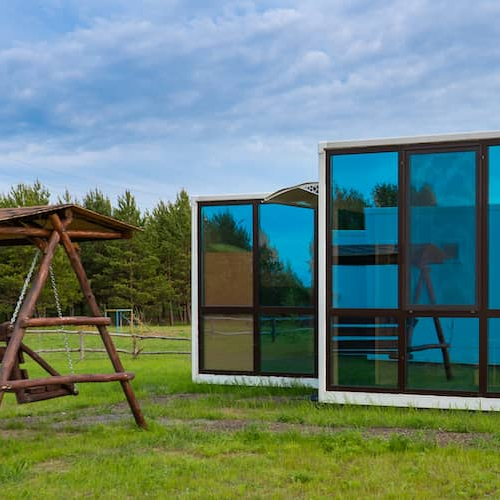
If you’ve ever assumed building a home is too far out of your price range or comfort zone, you might be pleasantly surprised by the cost and process of building a prefabricated home.
Prefabricated homes, also called “prefab homes,” are manufactured in a factory off-site, then built on land you’ve purchased.
We’ll unpack exactly what you can expect with prefab homes, dive into the costs and types of prefab homes, and help you decide whether you can envision a prefab home in your future.
What makes a home prefab?
What is a prefab home, exactly?
A prefab home is a home constructed in sections that can be transported and reconstructed at a final building location. Most components of the home (walls, floors, roofs) are prebuilt in modules.
Prefab homes are often more affordable than other build options. Prefab homes are often popular due to their speed and precision. Their quality and design are often excellent, as are their energy efficiency and sustainability (due to their factory-built nature).
See what you qualify for
Types of prefab houses
Let’s take a look at the characteristics of several types of prefab homes, including modular homes, manufactured homes, kit homes, and panelized homes.
Modular homes
Modular homes are built in multiple factory-produced sections and assembled in building blocks on site. Modular homes differ from manufactured homes; manufactured homes are fully constructed in the factory and transported. Learn more about the differences between modular vs. manufactured homes.
Manufactured homes
Manufactured homes are completely constructed in a controlled environment and moved to a building foundation, often built on a steel frame. They’re built according to the U.S. Department of Housing and Urban Development (HUD) code, which has standards for quality, durability, and safety. Manufactured homes come in different layouts, sizes, and styles and offer affordability, faster construction, customization options, energy efficiency, and mobility.
You can get a conventional loan or other types of loans for a manufactured home, including Fannie Mae’s Manufactured Home Advantage program, including the budget-friendly Standard Manufactured Home (MH) or MH Advantage with site-built features. The Standard MH requires a 5% minimum down payment and the MH Advantage requires a 3% minimum down payment,1 among other requirements.
Kit homes
Kit homes are buildings assembled on site like a traditional home, but all parts of the home have been precut and delivered in packages. In other words, a kit home is built entirely on land and it comes in packages of pre-cut material.
Kit homes offer several benefits, including less time on site and less waste. They also require a less skilled workforce (because it doesn’t require traditional construction methods). Note that Rocket Mortgage® doesn’t offer financing for kit homes.
Panelized homes
Panelized homes are a type of kit home. They are delivered in panels, and roof trusses and floors are assembled onsite. Wall panels and other components allow for constructing an energy efficient, durable home in less time. They must follow state and federal building code requirements; the factory can often ensure guidelines are closely followed.
Panelized home kits can cost between $30 and $65 per square foot. Some people may pay cash for panelized homes, but you can tap into panelized home mortgages to help with affordability.
Take the first step toward the right mortgage
Apply online for expert recommendations with real interest rates and payments
What is the average price of a prefab home?
The cost of prefab homes vary, but a typical home ranges from $160,000 – $320,000, with an average price around $240,000. You can expect to pay extra for land purchase, site work, and other finishes. You can also expect to pay about $80 – $160 per square foot.
You’ll usually pay less than a traditional stick-built home, though some luxury prefab homes are not always less expensive. Other costs and factors you might need to consider include the following:
- Land costs: Land costs vary depending on location, zoning, soil quality, water rights, and the market. On average, an acre costs about $13,000, but it could be much higher or lower.
- Additional costs: The estimated total cost include the following costs: land preparation ($4,000 – $11,000), foundation work ($6,000 – $20,000), utility connections ($2,500 – $25,000), and permits ($500 – $5,000).
Prefab homes can be one of the cheapest ways to build a house among site-built homes.
How to finance a prefab home
If you don’t have the cash to purchase a prefab home, two loan options could finance a prefab home: a construction loan and a chattel mortgage.
- Construction loan: Construction loans are short-term financing for the construction of a property, which then transition into long-term mortgage financing. They usually only last one year, then convert to a mortgage once builders finish constructing the home.
- Chattel mortgage: A chattel mortgage, commonly called a “security agreement,” is a loan for purchasing movable personal property, including a manufactured home. It can also refer to other personal property, like houseboats. The property (the chattel) secures the loan.
It’s a great idea to learn more about how much it costs to build a house through several lenders and secure preapproval. Lenders can also answer your questions about construction loans and chattel mortgages.
Pros and cons of buying a prefabricated home
Curious about the pros and cons of buying a prefab house? We’ll run through those below:
Pros
The pros include:
- Affordability
- Sustainability
- Energy efficiency
- Fast construction
- Customization options (thought it’s important to note there’s less flexibility than with a custom-built home)
Cons
On the other hand, you may want to consider the following downsides:
- Rules and regulations, such as zoning laws
- Utilities
- Upfront costs
- Potentially high land prices
- Financing
Factors to consider before buying a prefab home
It’s a great idea to consider the following factors before buying a prefab home, including:
- Costs
- Financing options
- Location
- Land acquisition and land loans
- Utility regulations
Your builder and lender can give you more information about what you need to know prior to purchasing a prefab home and to weigh the pros and cons of building a house vs. buying.
FAQ
Still have questions about prefab homes? Let’s take a look at some additional answers to things you might be wondering about.
Can I get a mortgage for a prefab home?
Yes, you can get a mortgage for a prefab home. Two common routes include a construction loan and a chattel mortgage. Each works a bit differently, with a construction loan starting out as a short-term loan and turning into a longer-term mortgage, and a chattel mortgage involving purchasing movable property.
How long does it take to build a prefab home?
It depends on the complexity of the home you plan to build. For example, it can take between 6 – 9 months to build a modular home, from purchase to occupancy. If you plan to include any additions like porches or garages, it could take an additional 6 – 12 weeks.
Who is a good candidate for a prefab house?
Many different types of individuals might consider building a prefab home. For example, good candidates include first-time home buyers seeking affordable homes, individuals needing a home quickly after a disaster, eco-conscious individuals, and investors looking to build a rental property portfolio. Retired people looking to downsize may also want to consider a prefab home.
Is it more cost-effective to build or buy a prefab home?
Prefab homes are generally about 10% – 25% cheaper than stick-built homes. Assembly-line materials cut down on costs because factories buy bulk supplies, plus the cost of labor is less because you spend less on fewer workers on site. Faster build times also save you more money.
The bottom line: Is a prefab home right for you?
A prefab home may fit the bill for your needs, and it’s important to remember that the sky’s the limit to the type of prefab home you build – it can be elegantly simple or luxurious. You can also customize your prefab home in many different ways.
Ready to start your home buying journey? Start your mortgage application online to begin the homeownership process.
1The 3% down payment option is only available on certain conventional loan products and is not available in all states. Additional terms and conditions may apply.

Melissa Brock
Melissa Brock is a freelance writer and editor who writes about higher education, trading, investing, personal finance, cryptocurrency, mortgages and insurance. Melissa also writes SEO-driven blog copy for independent educational consultants and runs her website, College Money Tips, to help families navigate the college journey. She spent 12 years in the admission office at her alma mater.
Related resources
13-minute read
Land loans: How they work, requirements, and loan options
A land loan can help you finance a future homesite, but the property’s condition and intended use will shape your financing options.
Read more
11-minute read
Building vs. buying a home: Which is cheaper?
In the market for a new home? The costs of building vs. buying depend on your market, building supplies, and more. Learn how to compare new vs. existing homes.
Read more
10-minute read
What is a single-family home?
What makes a home single-family? It comes down to the structure, ownership, and how the property is classified, not just whether it has shared walls.
Read more