How to buy a home in Wisconsin
Contributed by Sarah Henseler
Feb 25, 2026
•8-minute read

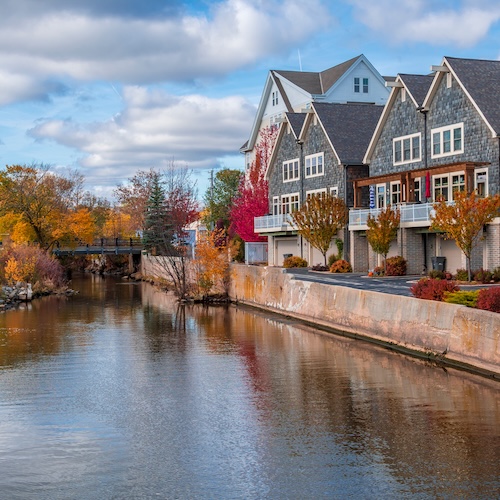
Wisconsin is a place where people come to start fresh, whether you’re a first-time buyer, moving for a new job, or seeking adventure in the Badger State. From the buzzing streets of Milwaukee to the scenic beauty of Door County, Wisconsin’s buzzing cities, welcoming communities, and outdoor landscapes that make it easy to feel at home.
While Wisconsin’s housing market has seen steady growth, with rising home prices and competitive demand in many areas, it doesn’t have to stand in your way. With the right preparation and guidance, you can move forward confidently. This guide walks you through what to expect, what’s possible, and how to navigate Wisconsin’s housing market successfully.
A quick glance at Wisconsin's housing market
The Wisconsin housing market shows steady growth, with home prices rising and demand remaining strong. Here’s a look at the Wisconsin housing market as of October 2025:
|
Median home sale price |
$337,500 |
|
Median days on the market |
51 |
|
Number of homes for sale |
23,796 |
|
Primary selling seasons |
Spring and summer |
|
Popular metropolitan areas |
Milwaukee, Madison, Green Bay, Kenosha |
See what you qualify for
Important Wisconsin real estate market trends
The Wisconsin real estate market is shaped by steady demand, gradually rising prices, and a supply that’s growing, but still tight in many areas. Here’s what’s driving those trends and what they mean for you.
Home prices
Wisconsin’s median home price is $337,500, which is around 23.3% lower than the national median of $439,917. Still, prices have been climbing steadily, rising 6.3% over the past year. This continued growth reflects several factors shaping today’s market, including increased buyer demand, limited months of supply, and competitive conditions in many cities across the state.
- Location: Prices are highest in larger cities like Madison and Milwaukee, while smaller cities such as Marinette and Merrill offer more affordable options.
- Property characteristics: Size, age, condition, and home features affect the price.
- Construction and land costs: Expenses for building materials, labor, and available land drive up the cost of new construction.
- State and local housing regulations: Zoning rules and other land-use policies can limit supply, leading to higher prices.
Housing demand vs. inventory
Wisconsin’s stable economy and high quality of life continue to attract new residents, driving steady housing demand. In October 2025, home prices were up 6.3% year over year with 35.8% of homes sold above list price. Cities like Menomonee Falls, Wausau, and Brookfield are seeing notable growth.
On the supply side, Wisconsin had 23,796 homes for sale in October 2025, up 2.5% from the previous year, providing buyers with slightly more options. While inventory growth is modest, the state is taking steps to support housing availability through development and zoning updates.
With so many factors shaping the market, working with a knowledgeable local real estate agent can help you navigate Wisconsin’s competitive housing landscape with confidence.
Home buying seasons
In Wyoming, spring and summer are the best times to buy a home. During these months, you’ll find more listings, but also more competition, especially in March through May when prices peak. Being ready to act quickly can give you an advantage if you’re shopping during this time.
Buying in late fall or winter offers different advantages. While there may be fewer homes on the market, you’ll see less competition, greater negotiating power, and a slower, less hectic buying process.
Take the first step toward the right mortgage
Apply online for expert recommendations with real interest rates and payments
Top places to buy a home in Wisconsin
When deciding where you should live in Wisconsin, consider your budget, career or school needs, and desired lifestyle.
Milwaukee
Milwaukee is Wisconsin’s largest city, located along Lake Michigan. Known for its creative arts scene, historic architecture, and strong manufacturing and health care sectors, Milwaukee draws professionals looking to experience a big-city feel with lower costs. Home prices are generally more affordable than in many major U.S. cities. Suburbs like Wauwatosa, Shorewood, and Greenfield provide family-friendly neighborhoods and easy access to downtown.
- Population: 577,222
- Median household income: $56,792
- Median home price: $230,000
Madison
Madison is Wisconsin’s capital city, set between Lakes Mendota and Monona. With outdoor recreation, a popular food scene, and a strong academic presence, the city attracts students, professionals, and families. Home prices tend to be higher than many nearby areas due to steady demand and limited inventory. Surrounding suburbs such as Middleton, Fitchburg, and Sun Prairie offer additional housing options with convenient access to the city.
- Population: 190,915
- Median household income: $82,928
- Median home price: $420,000
Green Bay
Located along the waterfront of Fox River, Green Bay is known for its community and deep-rooted sports culture. The city draws families and professionals seeking affordability and an easy pace of life. Home prices here are generally lower than Wisconsin’s larger metros, appealing to budget-minded buyers. Nearby suburbs like De Pere, Ashwaubenon, and Howard provide additional housing choices with quick access to the city’s amenities.
- Population: 107,395
- Median household income: $65,820
- Median home price: $280,000
Kenosha
Kenosha is a lakeside city with easy access to Milwaukee and Chicago. Known for its historic downtown, growing arts scene, and family-friendly environment, the city appeals to buyers seeking affordable housing and a pleasant lifestyle. Home prices are generally more moderate than in larger Wisconsin metros. Suburbs like Pleasant Prairie, Somers, and Bristol offer more housing and easy access to city amenities.
- Population: 99,986
- Median household income: $76,961
- Median home price: $255,000
Racine
Racine is a lakeside city on the western shore of Lake Michigan, known for its historic architecture, art scene, and strong manufacturing roots. The city appeals to buyers seeking an affordable urban lifestyle with easy access to Milwaukee and Kenosha. Home prices in Racine are generally lower than in the state’s larger metros, making it an attractive option for first-time buyers and families. Nearby suburbs like Sturtevant, Mount Pleasant, and Caledonia offer additional housing choices with convenient access to the city’s amenities.
- Population: 77,816
- Median household income: $55,458
- Median home price: $206,500
Appleton
Appleton is a city along the Fox River known for its arts, historic downtown, and family-friendly amenities. It’s a popular choice for buyers seeking a smaller-city feel with more affordable housing than larger Wisconsin metros. Nearby suburbs include Menasha, Neenah, and Grand Chute.
- Population: 75,644
- Median household income: $82,155
- Median home price: $287,500
Steps for buying a house in Wisconsin
Having a clear plan makes the homebuying process easier to navigate. Here are the steps to purchasing a home in Wisconsin.
1. Prepare your finances
Buying a home starts with a clear view of your financial health. Here are the main steps to help you prepare:
- Review your budget for mortgage payment options in different cities using a mortgage calculator from Rocket Mortgage®.
- Check your credit score.
- Understand your debt-to-income ratio (DTI).
- Start saving early for a down payment.
- Set aside funds for closing costs.
2. Explore mortgage options
When buying a home in Wisconsin, you can choose from several mortgage types. Here are the most common options:
- Conventional loans: These aren’t backed by the government and typically require a credit score of at least 620 and as little as 3% down. Private mortgage insurance applies if your down payment is under 20%.
- Jumbo loans: These are conventional loans exceeding FHFA conforming limits. Requirements vary by lender, but a credit score above 700 is typically required.
- FHA loans: Backed by the Federal Housing Administration, FHA loans are a popular choice for first-time buyers because they allow lower credit scores depending on your down payment.
- VA loans: Available to eligible veterans, active-duty service members, and surviving spouses. These loans typically require no down payment.
- USDA loans: Intended for low- to moderate-income buyers in qualifying rural areas, often with no down payment requirement.
You may also qualify for assistance from Wisconsin Housing and Economic Development Authority (WHEDA), which can help eligible buyers with down payment and closing costs through low-interest loans and assistance programs.
3. Get preapproved
In Wisconsin’s competitive housing market, mortgage preapproval is an important early step. Preapproval helps you understand how much you can borrow and what your mortgage rate in Wisconsin might be, while also strengthening your offer by showing sellers you’re financially prepared.
4. Find an experienced Wisconsin real estate agent
A knowledgeable real estate agent can be a valuable resource when buying a home in Wisconsin. An experienced agent can help you navigate local market conditions, guide you through each step of the process, and provide insight into pricing, regulations, and property trends. Redfin is one option for finding an agent in your area.
Wisconsin allows dual agency, meaning one agent may represent both the buyer and seller, as long as the relationship is clearly disclosed and both parties provide written consent.
5. Start shopping for homes in Wisconsin
Next, it’s time to begin your home search. Partner with your real estate agent to explore cities and towns across Wisconsin that align with your lifestyle and future plans. You can also browse current listings on sites like Redfin or through the MLS to see what’s available.
Visiting open houses, both online and in person, can help you better understand each home and the surrounding neighborhood.
During your home search, consider these factors:
- Education and job opportunities
- Recreation and amenities, including parks, shopping, and restaurants
- Transportation options, such as public transit and major highways
- Homeowners association fees, if applicable
- Property taxes
6. Make an offer and negotiate
Once you’ve found a home, the next step is making an offer. In Wisconsin, buyers usually submit a formal purchase agreement outlining the offer price, earnest money, contingencies, and a proposed closing schedule.
Wisconsin is a full-disclosure state, so sellers must reveal any known material defects that could affect the property’s value. Since hiring a real estate attorney isn’t required, your agent can guide you through most of the process.
Many buyers include contingencies to protect themselves, such as a home inspection. This allows a licensed inspector to assess the property and gives you the option to request repairs or credits before finalizing the purchase.
7. Proceed to close on your Wisconsin home
Closing is the final step in the homebuying process. You’ll complete your mortgage, secure homeowners insurance, conduct a title search, and pay closing costs. In Wisconsin, these costs generally range from 2% to 5% of the purchase price and can include loan origination fees, appraisal fees, title insurance, escrow fees, recording fees, and prepaid expenses such as property taxes and insurance.
FAQ about buying a home in Wisconsin
Can I buy a house in Wisconsin if I have bad credit?
Yes, it is possible to buy a house with bad credit in Wisconsin. Specialized loan programs such as FHA could help, but you might have higher interest rates or need a larger down payment.
Is buying a home in Wisconsin a good investment?
Wisconsin’s high demand for housing, steady population growth, and economic stability make purchasing a home a good investment.
What salary do I need to afford a house in Wisconsin?
To afford a median-priced home in Wisconsin, you would need an annual salary of about $97,000, depending on current market conditions and other factors.
How much are property taxes in Wisconsin?
On average, property taxes in Wisconsin are 1.51%, though rates vary depending on the city and county.
Are there any Wisconsin specific factors that could affect the home buying process?
Several Wisconsin-specific factors can affect the homebuying process. Property taxes are higher than the national average and vary by location, so budgeting carefully is important.
Harsh winters may influence home inspections and heating needs, while rural areas can have limited access to utilities or transportation.
The bottom line: The Badger State has a home for you
While home prices are climbing and competition can be strong, being financially prepared and working with an experienced local agent are key to buying a home in Wisconsin. With stable housing markets, growing job opportunities, booming cities, and charming small towns, The Badger State offers an amazing place to call home.
If you’re ready to start your next chapter in Wisconsin, apply for a mortgage with Rocket Mortgage.
Rocket Mortgage is a VA-approved lender, not endorsed or sponsored by the Dept. of Veterans Affairs or any government agency.
Rocket Mortgage is not acting on behalf of FHA or HUD.
The 3% down payment option is only available on certain conventional loan products and is not available in all states. Additional terms and conditions may apply.
This article is for informational purposes only and is not intended to provide financial, investment, or tax advice. You should consult a qualified financial or tax professional before making decisions regarding your retirement funds or mortgage.

Sarah Ford
Sarah Ford is a Seattle-based content marketer at Redfin. She graduated from Western Washington University with a BA in Business Marketing and Management Information Systems, and now enjoys writing about the homebuying journey. In her free time, she loves to read, take walks by the lake, watch movies, and spend time with friends and family.
Related Resources
7-minute read
Average closing costs in Wisconsin
Read more

5-minute read
What’s the average mortgage payment in Wisconsin?
The average monthly mortgage payment in Wisconsin is about $1,683 before property taxes and insurance. Learn what can affect this payment and how it compares to...
Read more

7-minute read
What is a jumbo loan in Wisconsin? 2026 jumbo mortgage limits and requirements
Discover the 2026 jumbo loan limits in Wisconsin, how they compare to conforming loans, and what home buyers should know about qualifying for larger mortgage...
Read more