How to buy a house in Oregon
Contributed by Tom McLean
Dec 7, 2025
•8-minute read

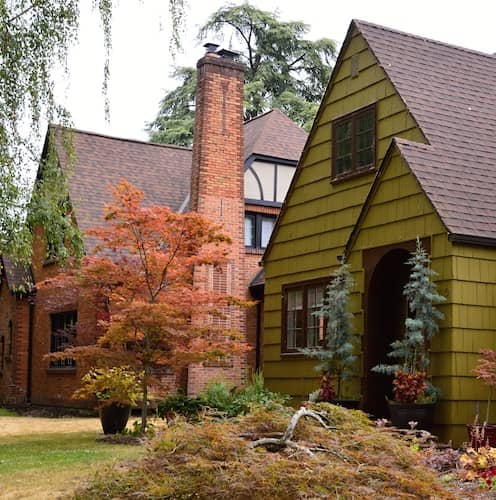
Oregon has a lot to offer aspiring home buyers. With 363 miles of public coastline, more than 360 state parks, and plenty of urban amenities, Oregon has something for everyone. The median home sale price in Oregon is higher than the U.S. average, with homes also selling more quickly. But learning more about the local housing market is an important step if you're thinking about buying a house in Oregon.
A quick glance at Oregon’s housing market
Here’s a snapshot of Oregon’s housing market as of September 2025:
|
Median home sale price |
$507,800 |
|
Median days on the market |
45 |
|
Percentage of homes sold over list price |
22.7% |
|
Number of homes for sale |
21,406 |
|
Primary selling seasons |
Spring and summer |
|
Popular metropolitan areas |
Portland, Salem, and Bend |
Important Oregon real estate market trends
Before moving to Oregon, here are some state housing trends to be aware of.
Home prices
How much is a house in Oregon? In September 2025, Oregon’s median home sale price of $507,800 was about 17% higher than the national median of $435,285. State home values have also been trending upward. Since September 2020, they’ve increased by almost $100,000, from $408,400 to $507,800.
That said, Oregon home prices vary widely by:
- Location. For example, the median home prices in Bend at $694,500 and Portland at $520,000 are higher than those in Eugene at $485,000 and Medford at $419,150.
- Property characteristics. Home size, age, condition, and features all play a major role in what sale price a property can command.
- Construction and land costs. If buying a new home, the price will depend on the land market as well as construction labor and supply markets.
- Local housing regulations. Strict zoning or building regulations can constrain housing supply, putting upward pressure on home prices, while loose regulations can have the opposite effect.
Whether you can afford to buy a home in Oregon depends on your personal finances. With the state’s median household income of $82,220, a $20,000 down payment, a credit score of 720 or higher, and no monthly debt, you could comfortably afford a home price of $308,852.
To see how much you could afford, enter your details into our home affordability calculator.
Housing demand vs. inventory
Much of Oregon’s housing market can be explained by supply and demand.
Between August and October 2025, more than 3,000 people were searching to move into the state rather than out of it on Redfin. Many are drawn to the state’s culture, outdoor recreation options, robust economy, and the fact that there’s no state sales tax.
Meanwhile, home inventory has grown, too. In September 2025, there were 21,406 homes for sale, a 9.8% jump from last year and not far behind the national 9.4% year-over-year increase. This gives Oregon home buyers a wider selection of homes to choose from.
To better understand housing indicators and predictions for specific Oregon markets, consult a local real estate agent. They’ll have insider knowledge of their city.
Home buying seasons
Oregon home sales generally peak in the spring or summer, when warmer weather and the end of the school year make it easier to move. However, shopping in the offseason (fall and winter) also has its benefits, including less competition and potentially lower home prices. The best time of year to buy a house depends on your priorities.
See what you qualify for
Top places to buy a home in Oregon
Before settling on a home to buy, explore different locations in Oregon and how well they meet your budget, work or education needs, and lifestyle preferences.
Here are six of the state’s top cities in Oregon to consider.
Portland
- City population: 652,503
- Median household income: $91,478
- Median home price: $520,000
Portland is Oregon’s most populous city, with lively neighborhoods, diverse food options, eco-friendly laws, and close access to the Columbia River, Mount Hood, and the West Coast. While the housing market can be competitive and expensive, it can be a great alternative to costlier big cities, especially if you enjoy the outdoors and an eclectic culture.
Some of Portland’s best suburbs to live in include Bethany, Lake Oswego, and Cedar Mill.
Salem
- City population: 175,535
- Median household income: $79,638
- Median home price: $458,375
Salem is the capital of Oregon and home to more than 20 wineries, several museums and theaters, and the prestigious Willamette University. But it also offers many activities for kids, including the Oregon State Fair and the Gilbert House Children’s Museum. Meanwhile, the housing market is more affordable and less competitive than Portland’s, making Salem an appealing city for families and first-time buyers.
Some of Salem’s best suburbs to live in include McMinnville, Silverton, and Monmouth.
Bend
- City population: 99,178
- Median household income: $101,031
- Median home price: $694,500
Bend is a small city in central Oregon that offers beautiful scenery, endless outdoor recreation, and thriving arts and food scenes – all in a mild, sunny climate. That said, these perks come at a price. Though home inventory is rising, the city’s median home price of $694,500 is relatively expensive, ideal for those with high incomes or large retirement nest eggs.
Eugene
- City population: 176,654
- Median household income: $70,781
- Median home price: $485,000
Eugene is the third most populous city in Oregon, after Portland and Salem. It’s also home to the University of Oregon, which directly employs over 10,000 people.
On top of ample education and job opportunities, residents enjoy being close to the high desert, the Cascade Mountains, and the Pacific Ocean, which helps explain the city’s very competitive housing market. However, Eugene’s median home price is still below the state median, making it an attractive destination for first-time buyers and retirees.
Some of Eugene’s most affordable suburbs include Cottage Grove, Springfield, and Creswell.
Corvallis
- City population: 59,922
- Median household income: $63,807
- Median home price: $535,000
Corvallis has the amenities of a big city and the charm of a small town. It’s home to Oregon State University, shopping centers, and many restaurants and recreation centers. But it also has a strong sense of community, low crime rates, ample nature, and bike-friendly streets.
While Corvallis’s housing market is somewhat competitive and expensive, it’s still more affordable than Bend and Portland. As a result, it can be an appealing place for families, especially those wanting a small-town feel and close access to outdoor recreation.
Medford
- City population: 85,824
- Median household income: $72,324
- Median home price: $419,150
Medford is a small city in southern Oregon that offers a mild climate, 31 schools, excellent healthcare facilities, and a thriving agricultural industry. Though very competitive, the housing market is more affordable than in other cities on our list. If you’re retiring soon or enjoy fine wine, Medford can be an excellent place to live.
Some of Medford’s best suburbs to live in include Ashland, Jacksonville, and Talent.
Take the first step toward the right mortgage
Apply online for expert recommendations with real interest rates and payments
Steps for buying a house in Oregon
Here’s how to buy a house in Oregon:
1. Prepare your finances
First, get your finances in order. This means:
- Review your budget. See what size mortgage you can afford in different Oregon cities with the affordability calculator from Rocket Mortgage®.
- Check your credit score. It affects your ability to qualify for a mortgage and your loan terms. Rocket Mortgage requires a credit score of at least 620 on most loans.
- Know your debt-to-income ratio (DTI). Most lenders require that your recurring debt payments not exceed 36% of your gross income.
- Plan for a down payment and closing costs. These are typically a percentage of the home purchase price.
2. Explore mortgage options
Next, explore different mortgage options:
- Conventional loan: This is any mortgage not insured or guaranteed by the government. In 2024, 78.3% of all home purchase mortgages were conventional loans.
- Jumbo loan: A type of conventional loan that exceeds the conforming loan limits set by the Federal Housing Finance Agency.
- FHA loan: This is a mortgage backed by the Federal Housing Administration offering flexible qualification standards, including low down payments, closing costs, and credit score requirements.
- VA loan: This is another type of government-backed mortgage exclusively for military personnel, veterans, and their families. Unlike many loans, it doesn’t require a down payment or private mortgage insurance.
- USDA loan: This is a mortgage backed by the U.S. Department of Agriculture. Like the VA loan, it doesn’t require a down payment or PMI. However, the property must be located in an eligible rural area.
- As a first-time home buyer, you can also take advantage of special home loans and Oregon first-time home buyer programs and down payment assistance programs, including those through Oregon Housing and Community Services and the Chenoa Fund.
3. Get preapproved
Mortgage preapproval is a conditional loan offer from a lender that verifies your personal financial information. Sellers often require it before accepting your purchase offer. As a result, getting preapproved shows sellers you’re serious while also giving you a better idea of how much you can borrow at what mortgage rate.
4. Find a reputable Oregon real estate agent
A reputable real estate agent can help you better understand specific Oregon markets and navigate the buying process, including complexities such as property rights and land-use laws. If you haven’t chosen an agent yet, shop for one on Redfin®.1
Keep in mind that Oregon allows dual agency, which means the buyer and seller are represented by the same agent. Dual agency will be disclosed to you since it can create potential conflicts of interest.
5. Start shopping for homes in Oregon
Pick an Oregon city that meets your needs. Your real estate agent can then help you find home listings on Redfin or the multiple listing service that meet your criteria. From there, they can show you homes and attend open houses with you (both virtually and in person).
Here are some factors to consider when comparing homes and neighborhoods:
- Education and job opportunities
- Recreation and amenities
- Transportation options
- Homeowners association fees
- Property tax rates
6. Make an offer and negotiate
Once you’ve decided on a house to buy, make an offer. This involves setting a price, outlining contingencies such as an appraisal and home inspection, and determining how much earnest money to put down. Get your agent’s advice and have them draft the offer letter. Then wait for your offer to be accepted, countered, or rejected, and respond accordingly. Often, settling on a purchase agreement takes some negotiation.
Keep in mind that Oregon requires sellers to disclose material home defects, but it doesn’t require the involvement of a real estate attorney.
7. Proceed to close on your Oregon home
Finally, once your offer is accepted, you can move forward with completing the mortgage underwriting process, conducting a final walk-through, and attending the closing meeting to finalize the deal and pay any closing costs. In Oregon, a neutral third party, such as an escrow or title agent, manages the closing process.
Keep in mind that Oregon doesn’t have a state transfer tax, but Washington County does have a local transfer tax with some exemptions.
FAQ
Here are answers to some frequently asked questions about buying a house in Oregon:
Can I buy a house in Oregon if I have bad credit?
Yes. While bad credit can limit your borrowing options, it doesn’t necessarily eliminate them. Explore government-backed loans and other loan programs for those with bad credit.
Is buying a home in Oregon a good investment?
It can be. Whether your Oregon home is a good investment will depend on the purchase details, your personal finances, and the future housing market.
How much are property taxes in Oregon?
According to the Tax Foundation, the 2023 effective property tax rate in Oregon was 0.78%. However, exact property tax rates can vary by county and assessed property value.
How long does it take to buy a house in Oregon?
From accepted offer to closing day, buying a house in Oregon typically takes around 35 days. However, how long it takes to buy a house depends on the deal’s complexity, whether you’re buying with cash or a loan, and other factors.
The bottom line: Buying a home in Oregon
Oregon’s housing market offers something for everyone, from Portland’s art scene to Medford’s affordability to Bend’s outdoor activities. By weighing each city’s pros and cons, understanding market trends, and carefully following each homebuying step, you can find the right Oregon home for you.
When you’re ready to move forward, apply for a loan with Rocket Mortgage to start your journey with confidence.
Rocket Mortgage, LLC, Rocket Homes Real Estate LLC, Rocket Card, LLC, RockLoans Marketplace LLC (doing business as Rocket Loans), and Rocket Money, Inc., are separate operating subsidiaries of Rocket Limited Partnership. Redfin Corporation is an affiliated business of Rocket Limited Partnership. Each company is a separate legal entity operated and managed through its own management and governance structure. Rocket Limited Partnership is an indirect, wholly owned subsidiary of Rocket Companies, Inc. (NYSE: RKT).

Christian Allred
Christian Allred is a freelance writer whose work focuses on homeownership and real estate investing. Besides Rocket Mortgage, he’s written for brands like PropStream, CRE Daily, Propmodo, PropertyOnion, AIM Group, Vista Point Advisors, and more.
Related resources

13-minute read
How to buy a house in 2026: A step-by-step guide
Learn how to buy a house in 2026 with 13 clear steps, from budgeting and preapproval to inspections, closing and getting the keys. Start here.
Read more

6-minute read
What to look for when buying a house: A guide for home buyers
If you’re about to begin the home buying process, there are some things you should keep in mind. Read on to learn about what to look for when buying a hou...
Read more

8-minute read
How to move to another state: A step-by-step guide
Learn how to relocate to another state with a step-by-step checklist for budgeting, packing, housing and legal tasks. Start planning your move today.
Read more