How to buy a home in Indiana
Contributed by Sarah Henseler
Feb 19, 2026
•6-minute read

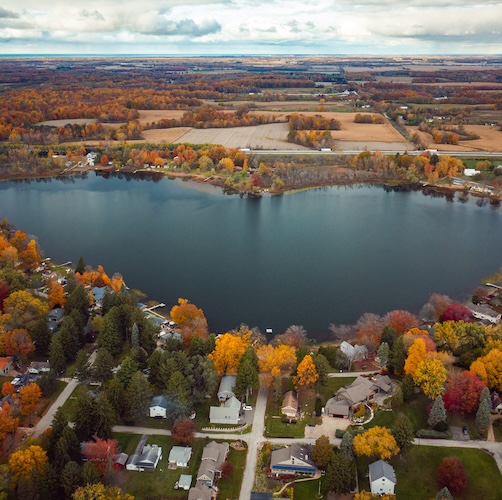
Indiana is known for its welcoming Midwest feel, sports heritage, and varied landscapes from lakes and dunes to farmland and wooded parks. With home prices often below the national average in many markets, buying a house in Indiana can be a good option if you’re looking for affordability, community, and convenience.
Whether you already call Indiana home or you’re moving for work, family, school, or a fresh start, buying a home in the state has its own set of considerations. We’ll outline what to know so you can start your home search in the Hoosier State with confidence.
Indiana’s housing market: At a glance
|
Indiana’s housing market |
|
|---|---|
|
Median home price, single-family |
$273,000 |
|
Median days on the market |
33 |
|
Number of homes for sale |
29,486 |
|
Peak selling seasons |
Spring and summer |
|
Most popular metropolitan markets |
Indianapolis, Fort Wayne, Evansville |
See what you qualify for
Understanding the housing market in Indiana
Before you begin house hunting, it’s a good idea to understand how home prices can vary throughout the state and an overview of Indiana’s housing market.
The median home price is $273,000
In Indiana, home prices have increased 5.6% compared to October 2024, according to Redfin. However, the median home sale price is significantly lower than the national average, $273,000 compared to $439,917.
You’ll find some areas that are both more and less affordable than Indiana’s state average. Some major cities have additional housing inventory and might be more affordable than areas with fewer homes for sale.
- In Indianapolis, the median home price is $241,000.
- In Carmel, the median home price is $575,000.
Neighborhood, home size, unique features, and nearby amenities also influence home prices in different areas. You can use the Rocket Mortgage home affordability calculator to help compare prices to see which cities may fit your budget best.
Market trends and inventory
Indiana has seen a 13% increase in homes for sale compared to last year, indicating there might be more homes to look at. Each city in Indiana differs slightly, so working with an experienced real estate agent in your area can help you navigate the market.
Spring and summer are peak shopping seasons
During Indiana's spring and summer months, more homes tend to hit the market, and buyer demand is higher. Searching for homes for sale in early fall through winter may mean fewer competing buyers and the potential for better prices, though inventory could be more limited. Ultimately, the best time to buy a home is when you’re financially and emotionally ready.
Take the first step toward the right mortgage
Apply online for expert recommendations with real interest rates and payments
How to buy a house in Indiana
Now that you know about Indiana’s housing market, we’ll guide you through the steps of buying a house in the state.
Step 1: Check your credit and set a budget
Before shopping for a home, examine your finances, such as your credit score, DTI, and potential budget. You can use the Rocket Mortgage mortgage calculator to see what you could afford each month and how much you should save for your down payment and closing costs.
- Check your credit score
- Find out your debt-to-income ratio
- Save for a down payment
- Plan for closing costs and additional fees
- Finalize your budget
Step 2: Decide on the type of financing you want
There are various home loans available if you’re buying a home in Indiana.
- Conforming conventional loans. These loans are offered by private lenders, who typically require a minimum 3% down payment. If your down payment is lower than 20%, you’ll have to pay private mortgage insurance (PMI).
- Jumbo loans. These conventional loans exceed conforming loan limits. They typically require a higher down payment, credit score, and additional cash reserves.
- FHA loans. This is a government-backed loan through the Federal Housing Administration and offers lower down payments depending on your credit score.
- VA loans. Backed by the Department of Veterans Affairs, these loans are for qualifying service members and surviving spouses and require no down payment.
- USDA loans. Backed by the U.S. Department of Agriculture, these loans are for home buyers in qualifying rural areas, with no down payment requirement. The USDA releases an updated map each year showing which areas are eligible.
Step 3: Apply for preapproval
A mortgage preapproval gives you a clear idea of how much you can borrow when buying a home in Indiana. Getting a preapproval early on in your search can help you stand out, especially in more competitive areas.
During the preapproval process, lenders review your credit score, income, and assets to determine which loans you may qualify for, your potential interest rate in Indiana, and the loan terms. The process typically takes just a few days.
Step 4: Find a real estate agent in Indiana
Choosing a local real estate agent in Indiana makes the homebuying process easier, as they have a deep understanding of the area. You can find a great real estate agent through sites like Redfin.com or through your family and friends.
In Indiana, dual agency is allowed if both parties have written consent. Dual agency allows one agent to represent both buyers and sellers in the transaction. Be sure to ask your agent before signing a buyer's agent agreement.
Step 5: Start house hunting
After finding a few cities that fit your home buying goals, it’s time to look at homes for sale. Work with your real estate agent to look at available houses on the MLS and sites like Redfin to narrow down what you want to see in person.
Key factors to consider:
- Proximity of the neighborhood to schools, jobs, and amenities
- Public transit, major roads, and highways
- HOA fees and potential costs
- Costs of property taxes in the city
Step 6: Make an offer and negotiate
Your real estate agent will guide you through making an offer on a house in Indiana. You’ll work together to decide how much to offer, which contingencies to include, and how much to put down as an earnest money deposit. This deposit shows the seller you’re committed to purchasing the home and is typically 1% – 3% of the purchase price, later applied toward your down payment.
It’s important to consider including a home inspection contingency in Indiana. Indiana is generally considered a caveat emptor or “buyer beware” state. So, the buyer is responsible for uncovering any issues with the property. Unless asked directly, the seller does not have to disclose any defects with the home, except for issues that might pose a health or safety risk. If there are significant problems from the home inspection, you would be able to back out of the deal and get your earnest money back.
Step 7: Begin the closing process
Now that your offer is accepted, you’ll:
- Submit your earnest money
- Officially apply for a mortgage
- Read through the closing documents
- Schedule the appraisal and inspection
- Prepare for closing day
- Have a final walkthrough
In Indiana, closing costs are typically 3% – 6% of the home’s purchase price. Closing costs can cover loan origination fees, home inspection costs, mortgage points, insurance, property taxes, and escrow fees.
FAQ about home buying in Indiana
Here are some of the top frequently asked questions about buying a home in Indiana.
How much are property taxes in Indiana?
The effective property tax for Indiana is 0.74%, but local property taxes might differ.
Do I need a real estate agent to buy a home in Indiana?
A great real estate agent can help you find your dream home and navigate the home buying process, but you technically don’t need one to buy a house in Indiana.
How long does it take to close on a house in Indiana?
In Indiana, it typically takes 30 to 60 days to close on a home. Loan approval and home could affect this timeline.
Are there any specific factors that could affect the home buying process?
Some homes in Indiana are located in high-risk flood zones, like near major rivers, and could require flood insurance.
The bottom line: There’s a home in Indiana waiting for you
Home prices in Indiana are still relatively affordable compared to many parts of the country. The state’s combination of big cities and small towns, outdoor recreation, and low property taxes makes it an attractive place to live. By working with a trusted real estate agent and preparing your finances, you can feel confident buying a home in Indiana.
If you’re ready to buy a home in the Hoosier State, start the mortgage approval process with Rocket Mortgage® for a personalized plan that fits your financial goals.
Rocket Mortgage is a VA-approved lender, not endorsed or sponsored by the Dept. of Veterans Affairs or any government agency.
Rocket Mortgage is not acting on behalf of FHA or HUD.
The 3% down payment option is only available on certain conventional loan products and is not available in all states. Additional terms and conditions may apply.
This article is for informational purposes only and is not intended to provide financial, investment, or tax advice. You should consult a qualified financial or tax professional before making decisions regarding your retirement funds or mortgage.

Alison Bentley
A California-native, Alison has lived in Seattle for the last several years and enjoys the concert scene and buying fresh produce at farmers markets. In her free time, she loves traveling, writing, painting, and finding a new book to read or recipe to bake.
Related Resources

13-minute read
How to buy a house in 2026: A step-by-step guide
Learn how to buy a house in 2026 with 13 clear steps, from budgeting and preapproval to inspections, closing and getting the keys. Start here.
Read more

8-minute read
A guide to first-time home buyer programs, loans and grants
If you’re new to homeownership, first-time home buyer assistance programs can help you with down payments and more. Discover some of your options.
Read more

12-minute read
Mortgage preapproval: How to get preapproved
Mortgage preapproval helps you set a home budget and strengthen your offer. Learn what you need, how it works and when to apply.
Read more