20 popular types of houses and home styles
Contributed by Sarah Henseler
Updated May 15, 2026
•15-minute read

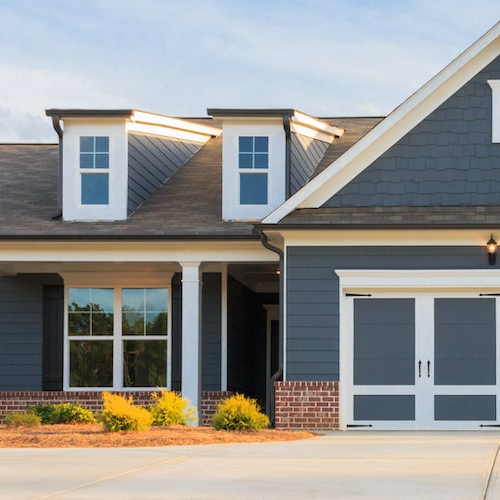
Shopping for a resale home or eager to build a new one? There are many different kinds of homes, designs, and styles to choose from – so many, in fact, that the process can sometimes feel overwhelming. But understanding both how a structure is crafted and its architectural elements can help you narrow down your search.
Trust in this guide as a good starting point that can better acquaint you with different types of houses, layouts, and exteriors. We’ll cover the most common structure types – including apartments, condos, co-ops, single-family residences, tiny homes, and townhomes – as well as popular architectural styles, from Cape Cod and colonial to midcentury modern and split-level, providing helpful information on the features, pros/cons, and best candidates for each type. (Keep in mind that local markets, zoning, and pricing will vary.)
Types of houses: Structures
It doesn't matter if you’re buying your first home, the home you plan to live in forever, or a rental property: You need to first determine what type of home structure you want. Structure types describe how a home is built, used, and/or owned – not just how it looks.
This often means deciding between an apartment, condo, co-op, single-family residence, or townhome. Each home type comes with pros and cons. Knowing them can help you decide which is best for you.
Keep in mind that some of these dwelling types can overlap with the architectural styles detailed in the next section. Case in point: a townhome-type structure could also be styled as a craftsman or contemporary.
1. Apartment
An apartment is a self-contained housing unit within a larger building or complex, typically rented from a landlord or property manager. You'll live in your unit while sharing common areas with your fellow building residents.
Typical features
- Shared walls, floors, and/or ceilings
- Common areas like hallways, laundry rooms, parking, fitness centers, etc.
- Limited or no outdoor private space
On the negative side, because you’re paying rent to a landlord, you don't build equity over time while living in an apartment. Equity is the difference between what a home is worth and how much you owe on its mortgage. If you owe $200,000 and your home is worth $350,000, you have $150,000 of equity. The more equity you have, the more money you'll walk away with after selling a home. You can also borrow against equity in the form of home equity loans.
Here are the other pros and cons of apartment living:
Pros
- You'll spend less to move into an apartment than you will to buy a home.
- Your landlord will take care of repairs.
- Your landlord will handle maintenance such as mowing the lawn or shoveling snow.
- It's easier to move at the end of your lease.
Cons
- You don't build equity or wealth when renting.
- Your landlord might limit how you can decorate, improve, or personalize your space or house pets.
- Because you’re living in a building with other residents, you'll have less privacy.
- Noise can be a concern.
Best for
Those prioritizing flexibility, lower up-front costs, or central locations over long-term ownership.
See what you qualify for
2. Condo
A condo combines the convenience of renting an apartment with the financial benefit of building equity that comes with a single-family home. A condo is typically an individually owned unit in a building or community where common areas are jointly owned by all residents through a homeowners association (HOA) that cares for the building's common areas. This includes hiring professionals to take care of cleaning, maintenance, snow removal, and mowing. To help cover the expenses of this, every unit owner pays a monthly HOA fee. You'll be responsible for paying for any repairs or renovations made to your individual unit.
Typical features
- Shared amenities: gyms, pools, lounges, outdoor spaces, etc.
- An HOA sets rules and collects monthly dues for shared maintenance
Pros
- Condos require less upkeep than single-family homes.
- You can build equity while owning a condo.
- You might have access to community amenities such as a pool or an on-site fitness center.
- The property's homeowners association will usually handle exterior maintenance.
- They’re often located in walkable or highly desirable areas.
Cons
- You'll need to pay a monthly homeowners association fee.
- You’ll typically have less space and privacy than in a single-family home.
- You are responsible for repairs and maintenance inside your unit.
- You'll have to follow the rules of your homeowners association.
Best for
Condos are often good choices for seniors who want the benefits of homeownership without having to take care of a larger single-family home. They’re also a good choice for buyers interested in urban living.
3. Co-op
Also known as a housing cooperative, a co-op is a type of shared housing property. When you buy into a co-op, you are purchasing a share of whatever company owns the building in which your co-op unit sits. You are not buying the actual property in which you live.
Once the rest of the co-op members accept your offer to buy shares, you'll move in and gain a vote on how common spaces are maintained. You'll also split the costs of maintenance, repairs, and other fees with your fellow co-op members.
Typical features
- Ownership through shares and a proprietary lease, not deeded unit ownership
- A co-op board that approves buyers and sets building policies
Pros
- When buying into a co-op, you’re becoming part of a larger community.
- Co-ops are typically less expensive than single-family homes or condos.
- You'll get a say in how your housing co-op is run.
Cons
- You'll need to earn approval for any changes you want to make to your property.
- You might be charged higher monthly fees to cover expenses like utilities and parking.
- A smaller number of buyers are interested in co-ops, meaning it might be more difficult to sell a unit.
Best for
Co-ops are often preferred by buyers comfortable with a community-governed building and ready to participate in shared decision-making.
4. Single-family home (detached)
A single-family home is what most people think of when it's time to buy a home. These are residences that are detached from any other housing unit, not sharing walls with neighboring units. They are designed for one household, which sets them apart from apartments, condos, or townhomes. A 2024 survey from the National Association of Home Builders found that 66% of buyers prefer single-family detached homes.
Typical features
- Private yard or outdoor area
- Full control over interior and (often) exterior design, subject to local rules and any homeowners association
Single-family homes are most common in suburban areas and in the neighborhoods surrounding the downtowns or urban cores of cities.
Pros
- Single-family homes generally come with more space than other housing types.
- Over time, single-family homes have tended to increase in value.
- You'll have more freedom to personalize your home.
- Single-family homes come with more privacy.
Cons
- You are responsible for maintenance.
- Single-family homes are usually more expensive than other housing types, including purchase price, property taxes, homeowners insurance, utilities, and upkeep.
- If you take out a mortgage, you'll need to come up with a down payment.
- You'll also pay for closing costs when you take out a mortgage.
Best for
Detached residences are ideal for buyers who prioritize privacy, space, and long-term customization, and are comfortable managing maintenance or paying for services.
5. Tiny homes
As the name suggests, a tiny home is a smaller version of a single-family home. Their sizes vary, but most tiny homes range from 60 to 600 square feet. Some are prefabricated and built on trailers or foundations, while others are built on a custom-order basis.
Typical features
- Highly efficient layouts and built-in storage
- May be mobile (on wheels) or fixed in place
- Zoning and financing can be more complex
Pros
- Tiny homes are usually more affordable to purchase and own.
- They offer a smaller footprint that equates to lower utility and maintenance costs.
- Because they are often mobile, tiny homes provide more freedom.
- They are a good option for people seeking a simpler lifestyle and those desiring minimalism.
Cons
- Tiny homes, as their names suggest, come with less space for storage, hosting, or growing households.
- Zoning, parking, and utility hookups can be challenging.
- Financing options may be more specialized.
- These homes are often a good fit only for single residents.
- Tiny homes might come with a lower resale value.
- You might have to rent or purchase the land on which your tiny home sits.
Getting a mortgage for a tiny home can be challenging. Rocket Mortgage does not offer loans for tiny homes, but we can help you work through your tiny home financing options.
Best for
Owners seeking a simpler lifestyle with fewer possessions might choose a tiny home. These homes are often mobile, too, giving owners more freedom to move to new locations.
6. Townhomes
A townhouse or townhome is like a single-family home, only it shares at least one wall with another unit. However, you will enjoy your own entrance to your townhome unit. There is no common-area lobby as you'd find with apartment units or condos. Townhomes typically offer more vertical space and come with several stories. They don't take up as much horizontal space because they butt up against other homes. Because of this, townhomes are popular in denser, urban areas. Many townhomes offer shared common space, such as a backyard.
Typical features
- Often two or three stories
- Small private yard or patio in some communities
- May be part of an HOA that manages exteriors and shared landscaping
Pros
- Townhomes typically cost less than single-family homes.
- Townhomes often provide more space and privacy than many apartments or condos.
- A homeowners association might cover the hiring of landscapers, snow removal services, and other maintenance providers.
- You might have access to shared amenities.
Cons
- Townhomes offer less privacy because of the shared wall.
- You'll have less freedom to change your home's exterior due to HOA rules.
- Some townhomes offer less living and outdoor space than single-family homes.
Best for
Buyers who want a blend of privacy, space, and a lower-maintenance lifestyle, especially in urban or suburban areas, gravitate to townhomes.
Take the first step toward the right mortgage
Apply online for expert recommendations with real interest rates and payments
Types of houses: Architectural styles
After you choose a property type, it’s time to find the right architectural style. Architectural styles describe the look, layout, and design details of a home and can often apply to multiple structure types. Case in point: A single-family home can also be a ranch or a townhome with craftsman details.
Whether you want a Cape Cod or a colonial, or you’ve long dreamed of renovating an old Victorian, you’ll have plenty of choices when it comes to home styles. It all comes down to personal preference.
But as with all homes, different styles of residences come with their own pluses and minuses. Here is a list of some of the more common architectural styles of homes and their usual features. Knowing this information can help you ask the right questions during the final walk-through before you buy your new home.
Use this section for inspiration in your home search, but remember that availability can depend on your local market.
7. Cape Cod
The Cape Cod home style traces its origins to the 1700s and its namesake city in Massachusetts. These homes are known for their resilience, built to handle the harsh New England winters. But they are also charming and quaint.
Exterior features
- Steep, shingled roofs
- Central chimney
- Symmetrical façade
- Dormer windows
Interior features
- Cozy rooms
- Sloped ceilings upstairs
- Straightforward, rectangular layout
Traditional Cape Cod homes feature a central door flanked by windows, wooden siding, and shingled roofs. Modern Cape Cods typically don't abandon these features but do add extra space and windows to meet the needs of today's buyers.
Buyer considerations
- Cape Cods offer charming design with modest square footage.
- The upper floors may feel smaller due to the roof pitch.
8. Colonial
Colonial homes also have a long history in the United States, dating back to the 1600s. They share several traits with Cape Cod homes, featuring a simple rectangular and symmetrical structure.
Exterior features
- Symmetrical façade
- Central doorway
- Multipane windows
Interior features
- Formal, separated rooms
- Center staircase
- Multistory layouts
Colonial homes are usually at least two stories and feature both a large central staircase and a grand entryway. There is some variety in the style, depending on the specific type of colonial. For example, there are differences between the English, Dutch, Georgian, and Spanish styles of colonial architecture, although the differences may be slight.
Buyer considerations
- Colonial homes feature a traditional layout that may appeal to those who prefer defined spaces.
- Kitchens and bathrooms in older Colonials may be smaller.
9. Contemporary
There is a difference between contemporary and modern home styles. The term "contemporary" refers to homes built in the present day. The term "modern" refers to a period that has already passed, such as the Midcentury Modern home style.
Exterior features
- Clean, simple lines
- Large windows
- Mixed exterior materials
Interior features
- Open floor plans
- High ceilings
- Emphasis on flow and natural light
A contemporary home often combines a modernist style, with an emphasis on open spaces and clean lines, with environmentally friendly building materials, natural textiles, and walls painted in neutral colors featuring splashes of brighter color.
Buyer considerations
- Contemporary homes boast bright, airy interiors.
- Window-heavy designs can influence privacy or energy use.
10. Federal
While federal style homes include several features also present in colonial residences, they boast enough unique features to stand apart. That's because federal homes are heavily influenced by Greek and Roman architecture. Federal homes are square or rectangular in shape and have distinctive Palladian windows and columns. The Oval Office in the White House is a good reference point for the federal style.
Exterior features
- Brick or stone walls
- Decorative molding
- Balanced window placement
Interior features
- Ornate mantels
- Crown molding
- Formal living spaces
Buyer considerations
- Federal home styles typically include beautiful historic details.
- Older homes may require specialized updates.
11. Craftsman
Want a home that doesn't look like it was mass-produced in a factory? The Craftsman style could be the perfect fit. This home style focuses on the value of handmade, well-constructed architecture. You won’t get a cookie-cutter look with these home types.
Exterior features
- Low-pitched roofs
- Overhanging eaves
- Deep porches with tapered columns
Interior features
- Built-in cabinetry
- Wood detailing
- Exposed beams
Craftsman homes are usually built in a horizontal style. They often feature exposed wooden beams, low-pitched gable roofs, and tapered columns decorating their front porches. The interiors of these homes often include personal touches such as built-in bookshelves and hand-crafted fireplaces.
Buyer considerations
- A warm, character-rich aesthetic is a hallmark of this style.
- Craftsman homes focus on preserving original details, which may require careful maintenance.
12. Greek Revival
It's easy to spot a Greek revival home. It's the one with stately columns that mimic those on the Parthenon and other famed Greek or Roman buildings. This style of home, inspired by Greek philosophy and culture, first began appearing in the United States in the 1830s.
Exterior features
- Tall columns
- Gabled or pedimented roofs
- Symmetrical shape
Interior features
- High ceilings
- Decorative trim
- Formal room layouts
In addition to their large columns, these homes feature white or subdued colors and grand front doors and entrances.
Buyer considerations
- Greek revival homes are known for their dramatic, classic appearance.
- These larger structures may involve more upkeep.
13. Farmhouse
Prefer a rustic feel? A farmhouse home might be the right choice for you. As the name suggests, these homes are inspired by the homes you might see when driving past a farm.
Exterior features
- Large porches
- Gabled roofs
- Simple, clean lines
Interior features
- Spacious kitchens
- Natural wood accents
- Casual, open layouts in modern versions
Farmhouses often feature tall ceilings, exposed wooden beams, large front porches, and a rectangular layout. Many include a central fireplace. Some farmhouse properties also come with barn-shaped roofs, while others are more subtle about their connection to farm living. Modern farmhouse styles keep the rustic look but also combine it with clean lines, layouts that are more open, and other updated features.
Buyer considerations
- The farmhouse style appeals to buyers seeking warm, relaxed living spaces.
- Sizes and layouts can vary widely between original and modern versions.
14. French country
Ever fantasized about living in the rural countryside of France? If so, a French country-style home might be your ideal residence. These homes are inspired by the residences common in the rural areas of France, such as Provence.
Exterior features
- Stone or stucco walls
- Arched windows
- Steep roofs
Interior features
- Warm, textured finishes
- Decorative woodwork
- Curved or arched architectural details
French country homes feature pointed roofs that are usually crafted from stone. Inside, they often come with stone fireplaces and distressed wood. Pastels and other subdued palettes make up the interior aesthetic of these properties.
Buyer considerations
- French country residences boast a charming, refined look.
- Some decorative elements may require more care.
15. Mediterranean
If you want to feel like you’re living in a villa in Italy or Spain, consider hunting for a Mediterranean-style home. These residences incorporate housing elements from Spain and Italy.
Exterior features
- Stone or stucco walls
- Arched windows
- Steep roofs
Interior features
- Warm, textured finishes
- Decorative woodwork
- Curved or arched architectural details
Think tiled roofs, warm stone, soft wood, and white stucco walls. These homes often include intricate metalwork on their windows and balconies. Another key feature is a focus on indoor-outdoor living. Because of this, these homes are most popular in states with warmer weather, such as Florida and California.
Buyer considerations
- Mediterranean houses appeal with a warm, rustic look.
- Some materials, such as stucco, may be less suited to colder climates.
16. Midcentury modern
Midcentury modern homes are all about functionality. This style, which hit the United States after World War II and traces its roots to the Bauhaus movement, says that while art can be beautiful, it should not come at the expense of a livable, functional home.
Exterior features
- Clean, geometric lines
- Flat or low-pitched roofs
- Large glass expanses
Interior features
- Open layouts
- Integrated indoor-outdoor flow
- Minimalist detailing
Midcentury modern homes are known for sleek and uncluttered designs. They come with large windows designed to connect these residences to nature. These homes are also built from a combination of natural and man-made materials.
Buyer considerations
- This is a highly sought-after aesthetic.
- Older/original constructions may need system updates.
17. Ranch/rambler
The popularity of ranch homes boomed in the 1950s. These are often good choices for homeowners who no longer want to walk up and down stairs, as most ranch homes sit on one story, although they can also have a partially or fully finished basement. Rambler homes, which are very similar, are known for their single-story style with entry on the ground level and having a square or rectangular shape.
What's most interesting about ranch homes is that they come in such a variety of styles, such as split-level, California, storybook, and raised ranch. California-style ranch homes, for instance, are shaped like an "L" or a "U." They often feature large backyards, designed to encourage residents to spend more time outside.
Exterior features
- Long, low profiles
- Attached garages
- Simple roof lines
Interior features
- Single-level layouts
- Easy flow between rooms
- Direct access to outdoor space
Ranch homes also feature low-pitched roofs, large windows, big backyards, open living spaces, and sliding glass doors.
Buyer considerations
- Single-level ranches are great for avoiding stairs.
- Larger footprints can mean more yard and roof maintenance.
18. Split-level
The split-level home is a subset of the ranch home. These homes, which grew popular during the 1950s and 1960s, feature multiple floors connected with short flights of stairs. That's the difference between split-level homes and traditional two- or three-story homes that separate their floors with longer flights of stairs.
Split-level homeowners enjoy the unique way the different levels are separated. Others, though, find the many short flights of stairs that dot these homes to be a nuisance.
Exterior features
- Distinct sections visible from the exterior
- Elevated entry or mid-level entry
- Low-pitched roofs
- Attached garages
Interior features
- Separated living zones
- Short staircases connecting levels
Buyer considerations
- Homeowners enjoy a functional layout for separating activities.
- Multiple levels may not suit every buyer.
19. Tudor
Tudor homes are known for their late Medieval and early Renaissance architectural elements. This includes stone masonry, timber framing, gable roofs, and classic leaded windows. These residences are usually asymmetrical. When you look at one, it might remind you of the structures you've seen in children's storybooks. You can thank the European-trained architects of the late 1800s for bringing this style to the United States.
Exterior features
- Decorative half-timbering
- Steep gables
- Tall, narrow windows
- Timber framing
- Plentiful stonework
- Asymmetrical design
Interior features
- Wood beams
- Fireplaces
- Cozy, compartmentalized rooms
Buyer considerations
- Tudor homes offer rich, historic charm.
- Architectural details may require upkeep.
20. Victorian
Victorian homes are named after Queen Victoria and emerged in the United States in the 1830s. These distinctive homes typically stretch for two to three stories and include a host of ornate decor.
Exterior features
- Turrets and towers
- Patterned shingles
- Detailed trim
Interior features
- Two to three levels
- High ceilings
- Formal rooms
- Decorative moldings and detailed woodwork
These houses are known, too, for their large bay windows, small towers, large porches, and steep gable roofs. And Victorian homes, often referred to as painted ladies, come in a variety of bright, playful colors.
Buyer considerations
- Expect highly detailed craftsmanship.
- Older features may require restoration.
FAQ about types of houses and home styles
Can any home style be renovated?
Many home styles of existing residences can be renovated, although renovation rules can vary depending on your location and municipality. Historic home districts, HOAs, and local building codes may limit certain changes.
What house type is best for first-time buyers?
The best type of house for a first-time purchaser will depend on lifestyle, needs, budget, and availability. Townhomes, condos, and smaller single-family homes are often common entry points. Those who can’t afford to purchase can consider renting an apartment or other dwelling.
Do architectural styles affect home value?
In certain regions or neighborhoods, particular home styles can be in higher demand, but that style alone doesn’t determine value. Location, condition, updates, and market trends play major roles.
The bottom line: House types and home styles are a uniquely personal preference
It’s a good idea to learn more about different home styles and types well before shopping for a property. Narrowing your housing search down to a few types of homes will make the search for a new home less stressful. Just remember that the “best” choice will depend on your needs, budget, comfort, and lifestyle.
One other big step to take before starting your home search? You should get preapproved for a mortgage, so that you know exactly how much home you can afford to purchase.
Start your mortgage application online with Rocket Mortgage today. That way, if you find your ideal home, you can quickly make an offer.
Rocket Mortgage is a trademark of Rocket Mortgage, LLC or its affiliates.

Erik J Martin
Erik J. Martin is a Chicagoland-based freelance writer whose articles have been published by US News & World Report, Bankrate, Forbes Advisor, The Motley Fool, AARP The Magazine, USAA, Chicago Tribune, Reader's Digest, and other publications. He writes regularly about personal finance, loans, insurance, home improvement, technology, health care, and entertainment for a variety of clients. His career as a professional writer, editor and blogger spans over 32 years, during which time he's crafted thousands of stories. Erik also hosts a podcast (Cineversary.com) and publishes several blogs, including martinspiration.com and cineversegroup.com.
Related Resources
8-minute read
Different types of mortgages and how they work
There is a home loan for everyone, but which type of mortgage is best for you? Use this article to understand the types of home loans and how they work.
Read more
12-minute read
Starter home or forever home: Which is right for you?
A starter home is a small, affordable home for first-time buyers. Find out if it makes sense to buy a starter home or if a forever home is right for you.
Read more

5-minute read
What is a multifamily home and is it right for you?
A multifamily home is a residential property with more than one housing unit. Learn about the types of multifamily homes, their pros and cons, and financing ...
Read more