What is a contemporary home? A guide to design
Contributed by Sarah Henseler
Updated Jan 24, 2026
•4-minute read

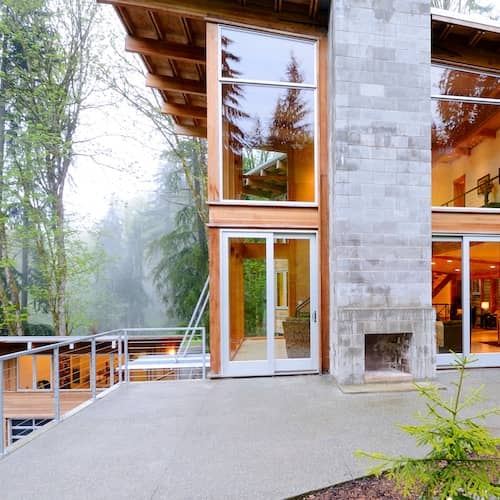
Contemporary houses are built in a modern, unique style that you may come across during your home buying search. It’s just one of many styles you have to choose from.
In this article, we’ll dive deeper into the contemporary home style, its pros and cons, and why you may want to consider it when buying your next home.
What is a contemporary-style home?
When a property is described as having a “contemporary home design,” that typically means the house’s architecture has features that align with current design trends. These home designs are often more fluid than other architectural styles.
Some popular themes in contemporary home design today include:
- Individuality and unique elements
- Minimalism and open spaces
- Energy efficiency and eco-friendly materials
Contemporary homes also share characteristics with modern, minimalist, and midcentury modern styles. Keep in mind, however, that contemporary architecture evolves as society changes and new trends emerge. For example, contemporary style usually emphasizes different approaches to space and functionality based on homeowners’ changing needs and wants.
What are the differences between modern and contemporary houses?
Modern and contemporary styles tend to have some overlap, but they are not the same.
Specifically, modern homes are based on styles from the mid-1900s, which often included strong, clean lines and an emphasis on function over form.
Contemporary homes also use clean, simple lines and minimalist features, but are more flexible in form. For example, many contemporary homes embrace irregular shapes, asymmetrical façades, and curves. They might also use mixed materials, like stone and wood.
Naturally, both modern and contemporary homes may appear in your home searches. To find contemporary homes, use keywords that describe the specific features you’re looking for, such as “asymmetrical design,” “curved architecture,” “mixed materials,” or “open floor plan.”
See what you qualify for
What does a contemporary house look like? Key features
Since “contemporary” is a sliding category, its “look” changes over time with current trends. Today, the contemporary look often consists of eco-friendly materials and green architecture, which appeal to many buyers and may let sellers charge a premium as a result.
Interior contemporary house design elements
Here are a few contemporary-style home interior design features:
- Natural light
- Open floor plans
- Natural elements
- Texture blends
- Neutral palettes
- Sustainable and eco-friendly materials
- Smart technology (for convenience and energy efficiency)
Exterior contemporary house design elements
Here are some contemporary-style home exterior design features:
- One to two stories high
- Strong, clean lines
- Large windows
- Sloped roofs and green architecture
- Asymmetrical layouts
- Irregular shapes and curves
- Mixed eco-friendly materials, including concrete, brick, wood, stone, and types of metal
Take the first step toward the right mortgage
Apply online for expert recommendations with real interest rates and payments
How much does it cost to build a contemporary house?
The total cost of a contemporary home can vary by:
- Location
- Labor costs
- Material quality
- Desired square footage
- Complexity of build
While the costs of buying a contemporary home can be high, they can be worth the investment since the demand for contemporary homes may increase the home’s value over time.
Contemporary house design for buyers and sellers
Imagine you’re shopping for a contemporary home but can’t find one you like, or you’re trying to spruce up a home in a desirable style to help it sell. Some simple changes and upgrades can help you capture the contemporary style, even in non-contemporary homes. Here’s how:
Use light
Expand the reach of natural light in the home by opting for larger windows and lighter paint. You may also consider upgrading to eco-friendly LED lightbulbs, which use at least 75% less energy and last up to 25 times longer than incandescent lighting.
Accentuate color
Paint and stage the home in black, white, or neutral tones. This can help the home blend in with natural elements and highlight its focus on sustainable and eco-friendly materials.
Add contemporary-style furniture
For furniture, look for minimalist and functional designs. For example, convertible furniture like futons and extendable tables can help maximize spaces while giving them a contemporary flair.
Update your flooring
Consider updating the home's flooring with popular options like wood, tile, and vinyl that are easily accessorized with rugs.
Add lines
Try to create bold lines with paint, mirrors, furniture, pillars, and other elements. This adds to the contemporary home’s strong, clean borders.
Create an open floor plan
Open floor plans are a common feature of contemporary homes. However, you shouldn’t turn down an affordable, quality home just because it lacks this layout. Floor plans can be adjusted by removing walls or widening entrances.
Pros and cons of contemporary houses
Every architectural style comes with its own pros and cons. Here are the pros and cons of contemporary houses:
Pros of contemporary houses
- Unique and individualized: You can personalize a contemporary home to reflect your unique taste.
- Low maintenance: Owners of contemporary homes often find the clean lines, minimalist layout, and design features easier to maintain.
- Eco-friendly: Many contemporary homes, particularly recently built homes, emphasize sustainable building materials and feature energy-efficient systems.
Cons of contemporary houses
- High price: Contemporary homes typically use sustainable materials and features, which are sometimes more expensive.
- Challenging to incorporate other styles: Because contemporary-style homes have a specific look, trying to blend in other design styles can be challenging. If you like changing your home design frequently, a contemporary design may not work for you.
How easy is it to sell a contemporary house?
Contemporary houses that satisfy typical home buying wants (across location, size, condition, etc.) tend to sell at home values on trend with properties in other styles.
Furthermore, contemporary-style homes are increasingly popular as they let buyers reflect their personalities and unique design choices. In other words, buyers can secure a functional home that celebrates their individual style.
That said, some buyers may mistakenly assume contemporary homes are older than modern homes. To keep the two categories straight, remember that modern refers to a style popular in the mid-1900s, and contemporary refers to whatever is popular at the moment.
The bottom line: Contemporary houses evolve with trends
Ultimately, contemporary homes offer a winning combination of personalized design, efficiency, and eco-friendly features that appeal to many of today’s home buyers. Plus, as design trends evolve, these homes remain adaptable, making them a smart long-term investment.
Ready to find your dream contemporary home? Start the mortgage approval process with Rocket Mortgage® today!

Christian Allred
Christian Allred is a freelance writer whose work focuses on homeownership and real estate investing. Besides Rocket Mortgage, he’s written for brands like PropStream, CRE Daily, Propmodo, PropertyOnion, AIM Group, Vista Point Advisors, and more.
Related resources
5-minute read
What is a rambler house? 5 types of ranch-style homes
Are you curious about what a rambler house is and what it has to offer? Read to learn more about the history, characteristics and common types of rambler homes.
Read more

7-minute read
Smart home: Definition, benefits, and the best smart home devices
Smart home technology lets you remotely control devices and systems in your home. Discover the advantages of a smart home and explore the top devices.
Read more

8-minute read
How much does it cost to renovate a house?
The amount it costs to remodel a house can vary depending on the scale of the project. Learn the average costs associated with various kinds of remodels.
Read more