Buying an old house vs. a new house: The pros and cons
Contributed by Sarah Henseler
Updated Dec 28, 2025
•5-minute read

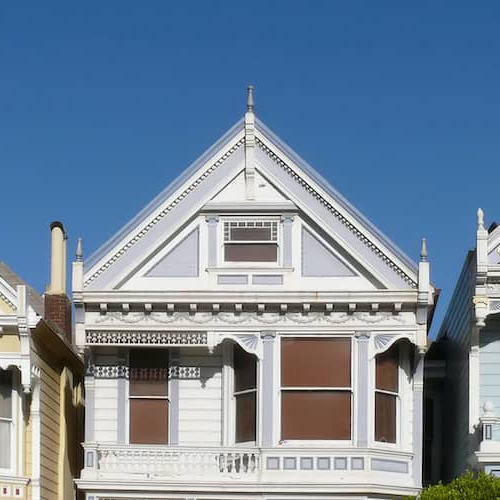
The smell of fresh paint and brand-new carpet is tempting, but so is the charm of original hardwood floors and decades of stories in the walls. As a prospective home buyer, one of the first decisions you must make is whether to buy a new or old home. Each has its pros and cons.
For example, an older home may be a fixer-upper with outdoor plumbing, lead paint, or other issues. However, it may also have more character than a newer property and be okay to buy if you plan for necessary renovations.
Key takeaways:
- Older homes and newer homes offer different advantages: Older homes often feature established neighborhoods, unique character and mature landscaping, while newer homes typically offer modern layouts, energy efficiency and updated systems.
- Maintenance and repair costs can vary: Older homes may require more frequent repairs or updates, whereas new homes generally need less immediate maintenance but may come with higher upfront prices.
- Your lifestyle and priorities should guide the choice: Buyers who value charm and location may prefer an older home, while those seeking convenience, customization and lower early upkeep may lean toward a new build.
Defining new homes vs. old homes
To understand what defines new and old homes, consider how construction standards have changed over the last century. For instance, lead-based paint was banned in 1978, and the use of chrysotile asbestos (used in many building materials) was banned in 2024. As a result, the presence of these substances may indicate an older home.
That said, some homes don’t fit neatly into “new” or “old” categories. For the purposes of this article, we are comparing relatively new homes against homes that have been around for several decades. New homes are those built within the last 5 years, including new construction homes. They tend to be:
- Larger
- Equipped with modern amenities, such as smart home systems
- Located in up-and-coming neighborhoods
Meanwhile, old homes are those that are at least 50 years old. They tend to be:
- Historic homes tied to unique events, resulting in specific guidelines for owners
- Homes with more character; for example, with real wood floors
- Located in well-established neighborhoods
Interestingly, the price gap between new and older homes is shrinking, so it’s no longer much more affordable to buy an old home versus a new build.
See what you qualify for
Pros of buying an old house
Old houses can be appealing due to the following benefits:
Unique architecture
With cookie-cutter homes popping up across the nation, old houses stand out for their commitment to architectural individuality. Victorian, Colonial, and Tudor are just three of the many architectural styles that aren’t often replicated today. The craftsmanship and attention to detail that went into building these structures can be hard to find in modern homes, so if architectural character is near the top of your list, an older home might be a good fit.
Mature landscaping
Because land used to be more affordable, older homes frequently come with larger yards. This land was often filled with extravagant landscaping, including trees and bushes that have been cared for over several generations. This type of mature landscaping has been proven to raise the value of a home and can make homeowners more comfortable due to the emotional benefits of being in a home with more surrounding greenery.
Longer history of appreciation
There’s also great power in knowing your home’s purchase history, which can indicate the property’s appreciation value over time. Although what happened in the past isn’t guaranteed to occur in the future, this paper trail can indicate whether the home you’re purchasing is a good long-term investment. With newer homes, there is little to no information to use to make an educated decision.
Established neighborhood
Looking beyond the home itself, buying property also involves considering the surrounding neighborhood. Older homes tend to be more centrally located, closer to downtown, and in stronger communities, making them less likely to undergo zoning changes.
Take the first step toward the right mortgage
Apply online for expert recommendations with real interest rates and payments
Cons of buying an old house
Of course, old houses can also come with some drawbacks:
Higher maintenance costs
Older homes were made from older materials, so it follows that these homes will likely need more frequent maintenance. From faulty plumbing to sloping floors, there’s no shortage of projects to do in existing homes – and these projects aren’t cheap.
But smart home buyers can capitalize on the lower up-front costs of these homes to supplement future maintenance costs. With less money needed for a down payment, staggering savings can help you to cover many of these costs down the road.
Smaller floor plan
Modern society supersizes everything. This means modern homes will often come with larger, open floor plans, whereas older homes built prior to the 1980s usually feature smaller, separate spaces.
Higher utility costs
As building codes have been updated, so have the materials used for home construction. Newer homes benefit from these changes, as increased insulation has allowed the homes to better maintain their interior temperatures during all seasons.
The same can’t be said about older homes. According to the U.S. Census Bureau’s American Housing Survey, homeowners in old homes spend 17% more on electricity and 38% more on gas per year.
Fewer safety regulations
Construction standards have changed over time, which means older homes may not be up to the current code regarding withstanding natural disasters, prioritizing electrical safety, and protecting from the dangers of plumbing failures. The lack of inherent safety in these homes makes the home inspection that much more important.
Pros of buying a new house
Not sure if an old house is right for you? Consider the benefits of buying a new house:
Delayed major maintenance costs
New homes are built to last, so homeowners who purchase newly built properties often face lower monthly maintenance costs. Based on the American Housing Survey, 26% of homeowners spent $100 or more per month on maintenance costs. But that number is significantly lower among homeowners who purchased new-construction homes built within the last 4 years. In fact, 73% of these homeowners spent less than $25 per month on these costs. This reduced need for upkeep also makes it easier for new homeowners to get a home warranty.
Energy efficiency
Energy efficiency has become increasingly important over the years, so in most cases, the newer the home, the easier it is on the environment. New homes are better able to retain their interior temperatures year-round due to their thicker, dual-pane windows and insulated walls, ceilings, and floors.
Depending on the home design, there’s also potential for an even stronger focus on efficiency, as some modern homes come with a built-in solar panel system and other renewable energy sources.
Safety stamp of approval
Homes that are up to code come with many benefits on top of the physical safety of your family. Because new construction requires compliance with stricter safety regulations, newer homes require less maintenance and receive the safety stamp of approval, which typically results in lower insurance costs and higher resale value.
Larger living spaces
New homes aren’t always larger than old homes, but as flowing, open floor plans have grown in popularity, we’ve seen these trends reflected in home construction. This has led to greater average square footage, more storage space, and plenty of open spaces for entertaining.
Cons of buying a new house
That said, don’t overlook the disadvantages of buying a new house:
Fewer city-center options
City centers tend to be filled with older properties, so newer homes are often less centralized and frequently located in the suburbs. This distance from the downtown area often means longer commutes for both work and play, and may be less than ideal for some prospective home buyers.
Smaller outdoor spaces
As land grows scarce, home builders have responded by sacrificing yard space to maximize the square footage of the house, which has led to close-quarters living. These smaller outdoor spaces also feature less mature vegetation. While the landscaping surrounding older homes has had decades to grow, the vegetation near newer homes has had significantly less time, which means new homes often feature basic landscaping. Immature landscaping can ultimately lead to less curb appeal, which may make it more difficult to sell the property in the future.
Construction costs are rising
Construction costs are rising, which may raise the price of new-build homes over the next few years. This is partly due to recent tariffs on lumber and other materials increasing supply costs. For example, the price of copper piping is up about 55% from 2020.
The bottom line: Older homes may be harder to maintain
Whether you choose to buy an old or new house, each option offers distinct benefits. Old homes may offer more character, mature landscaping, and established neighborhoods but may also require more maintenance and utility costs. Meanwhile, new homes can be more energy efficient and require less work up front but may have smaller yards and less central locations.
Ready to make a move? Apply for a mortgage with Rocket Mortgage® today and let us help you finance your dream home.

Christian Allred
Christian Allred is a freelance writer whose work focuses on homeownership and real estate investing. Besides Rocket Mortgage, he’s written for brands like PropStream, CRE Daily, Propmodo, PropertyOnion, AIM Group, Vista Point Advisors, and more.
Related resources

7-minute read
Why is buying a house so emotional?
It’s normal to feel various emotions when buying a house. Learn more about emotions during the home buying process, and get tips to manage potential stres...
Read more
6-minute read
Home buying rules: 9 essential steps for buyers
When buying a home, it helps to start with the basic rul...
Read more
11-minute read
Building vs. buying a home: Which is cheaper?
In the market for a new home? The costs of building vs. buying depend on your market, building supplies, and more. Learn how to compare new vs. existing homes.
Read more