How to find fixer-upper homes: Everything you need to know
Contributed by Sarah Henseler
Updated May 9, 2026
•9-minute read

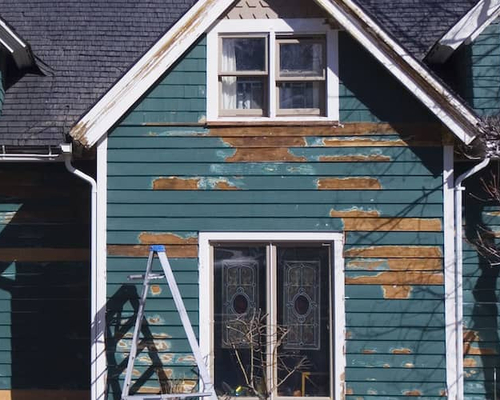
If you’re an avid HGTV watcher, you may have been enticed by all the “fixer-upper” shows in which hosts get great deals on fixer-upper homes and then turn it into a showpiece. And that dream can definitely come true. Fixer-uppers – homes that need some serious TLC, but are still inhabitable – are often priced below market value.
But buying a fixer-upper, instead of a move-in ready home, is not for everyone. These types of homes typically need a good amount of repair and renovation. So the difference between a great deal and a financial nightmare is evaluating its potential and being honest about your own budget and skill.
Let’s dive into everything you need to know to find the right fixer-upper for you.
What is a fixer-upper?
A fixer-upper is a home that demands repairs and renovations to reach its full potential. It might be in serious disrepair, but not so bad that it becomes uninhabitable. The repairs can range from the cosmetic, like fresh paint or flooring, to more serious needs, such as a new roof or major electrical or plumbing upgrades. The main distinction is that the home is not considered move-in ready.
For many, fixer-uppers offer a great opportunity. They are often priced lower than comparable homes in better condition, which makes them an attractive find for investors, DIY enthusiasts, or a couple on a budget. They can also be an attractive, more pocketbook-friendly option to building a house from the ground up.
But make no mistake: these properties come with risks. Especially for the inexperienced, repair, renovation, and remodeling costs can balloon beyond expectations. They also can present a more complicated road when it comes to financing if the home doesn’t meet certain lending criteria.
See what you qualify for
How to find fixer-upper homes
Because fixer-upper homes demand more from the buyer, it’s important that you do independent research before starting your search. Develop a “nonnegotiables” list before you venture out shopping. This list might include your repair budget, certain locations, or types of renovations that are acceptable and ones that are out of your scope.
When you’ve got your list, here are three solid ways to find fixer-uppers.
Real estate agent
A real estate agent is a professional who helps people buy and sell properties. As a buyer’s representative and advocate, they help you find properties that match your budget and desires. They can often expedite your search because they’ll know what properties are for sale, the details of those properties, and often the motivations of the sellers.
Good ways to find real estate agents that specialize in the area you’re interested in is to ask friends and neighbors for referrals. You’ll get firsthand endorsements of the agent’s strengths. You can also search real estate websites. It’s wise to interview a few agents to find one who is aligned to your goals and personality.
MLS
The Multiple Listing Service (MLS) is a database that real estate agents use to share information about homes for sale. Real estate professionals have full access to the MLS, but you can browse information found on the MLS on public websites like Redfin.com.
Another potential way to find fixer-uppers, particularly older homes, is to explore for-sale-by-owner (FSBO) listings. These are homes sold by the owner, with no real estate agent representing them. Because the owner doesn’t have to pay commission to a real estate agent, these homes can sometimes be priced below market value.
Auctions
In a home auction, properties are sold to the highest bidder, usually within a short time period. Home auctions can take place online or in person and are used to sell homes that were foreclosed on, are bank-owned, or homes with unpaid taxes.
Homes are typically auctioned off because the lender or the government want to recover the money they are owed quickly. Because of this, these homes are often sold “as-is.” That means you assume responsibility for any repairs. This makes auctions a good place to find fixer-uppers, but also introduces a level of risk.
To find these auctions, search government websites, such as HUD’s or the U.S. Treasury’s, local listings, or specific auction platforms such as auction.com. Before you bid on a property at auction, make sure you fully understand the terms of the sale you are agreeing to.
Take the first step toward the right mortgage
Apply online for expert recommendations with real interest rates and payments
What to look for when buying a fixer-upper
When evaluating whether to buy a fixer-upper, it’s important to analyze all aspects of the home. Look beyond the surface and think about the immediate needs of the home, as well as the long-term potential of the home. And while every home is different, there are some general guidelines that can help you make a wise choice.
Location
The location of a home is a key factor. Ideally, you’ll find a fixer-upper in a neighborhood where demand may increase. That way, you can still find a home before increasing demand boosts sales prices in the area.
Other facts to consider are:
- Your lifestyle needs and wants
- Strong public schools
- Walkability
- Public transportation
- Crime rates
- Flood and fire risks
Again, working with a real estate agent can help you find the right location in which to search for fixer-uppers. Agents will know which neighborhoods are on the rise.
Layout and size
Trying to transform an outdated floor plan into a modern space can be expensive, eating away at any savings you might get from buying a fixer-upper. The cost of reworking an outdated floor plan could cut into your profits if you’re planning to sell. A home’s size is another important factor. With these things in mind, here are some questions to ask yourself:
- Does a fixer-upper have an old-fashioned layout featuring cramped rooms?
- Does it have a more open floor plan?
- Do you want to renovate your fixer-upper and sell it?
- If you aren’t selling, is it large enough for your family?
If a fixer-upper is too small for your family, the cost of adding to it could easily outweigh any savings you’d gain. If you’re an investor hoping to sell your fixer-upper, you might want to spend more for extra space versus purchasing a tiny home that you’ll struggle to renovate or sell later.
Condition
You should get a good understanding of the condition of the fixer-upper you are considering. This can be done with a professional home inspection. An inspector will give you a clear-eyed assessment of the condition of the home and a detailed report on what repairs are needed.
Once you get the home inspector’s report, you have choices, such as whether to go forward with the sale, pull out of it, or renegotiate. You can also better assess the repair work ahead should you choose to buy the home. Some issues will be cosmetic in nature and therefore less pressing or important. These could include things like old paint, worn flooring, or outdated kitchen appliances. Other issues could be much more costly to fix. These include:
- A damaged or leaking roof
- A cracked or sagging foundation
- Mold
- An outdated HVAC system
- Cracked ceilings or floors
- Extensive termite damage
How to buy a fixer-upper home
There are important steps to buying a fixer-upper if you want to avoid costly surprises. Here are some general suggestions.
1. Set your budget
It’s vital to set a budget before you begin shopping for your fixer-upper. And unlike move-in-ready home shopping, your budget needs to include much more than the sales price of the home. You need to factor in renovation costs, unexpected repair costs, permits, and potential overages. Only then will you know how much you should spend to buy the home.
Without a clear budget, it’s easy to overspend on a home that needs major repairs. This sets you up for months, if not years, of financial strain and stress. It also defeats the purpose of buying a fixer-upper in the first place, which is to get a deal. So set a budget and stick to it.
2. Apply for a loan
Counterintuitively, financing your fixer-upper, as opposed to an all-cash purchase, can actually give you added flexibility. By financing, you can preserve your savings, giving you cash for renovations and repairs, especially the unexpected – which you should expect.
It’s important to explore all your options for financing early in your shopping process. Some loans are designed for homes that need renovations, while others may have much more strict property requirements. Getting preapproved for a loan also helps make you a more attractive buyer and lets you know how much you can comfortably spend on a home.
3. Get a home inspection
When buying a fixer-upper, a home inspection is crucial. An inspector will comb through the home looking for problems both big and small. There are plenty of pitfalls when investing in distressed properties or foreclosed homes. An inspector’s report will list any major issues, such as a sinking foundation, mold-infested basement, or aging roof. You can then determine if the cost of addressing these problems is too high.
4. Consider working with a contractor
Hiring a contractor can help you determine how much renovations and repairs could cost you. These professionals are experts at making changes or additions to a home that could net you the highest return on investment (ROI) if and when you’re ready to sell.
When interviewing a contractor, look for one who has experience renovating older homes. Also, look for negative reviews on the Better Business Bureau, or Google the contractor’s name to find out if past customers had positive or negative experiences. Ask any contractor you are interested in working with for the names and contact information of past clients. Then, contact those clients and ask if the contractor was easy to reach, performed the necessary work on time, and charged reasonable rates.
Financing options for a fixer-upper home
Because lenders consider the condition of a property before approving a loan, financing a fixer-upper can be a bit more complicated than getting a mortgage for a move-in-ready home. Some homes just won’t qualify. Here are the options you need to know about.
Standard FHA 203(k) loan
A standard FHA 203(k) loan can finance the purchase of your home and the renovations needed for it. You can take out an FHA 203(k) loan in addition to a FHA fixed-rate mortgage or adjustable-rate mortgage. The Department of Housing and Urban Development (HUD) has strict FHA mortgage limits for this loan type.
HUD’s threshold for the cost of rehabilitation is $5,000. However, you can't use this loan for luxuries or cosmetic improvements, such as adding a swimming pool, hot tub, or outdoor fireplace. You must use the loan to improve the home, specifically:
- Replacing the roof
- Updating plumbing
- Upgrade the electrical system
- Updating landscaping
- Making energy-efficient upgrades
You'll need a credit score of at least 500 and can use this loan only on a primary residence. If you want to buy a fixer-upper to flip that you won't be living in, you can't use this loan. Plus, the repairs to your home must be performed by a contractor, not by you yourself.
Streamline FHA 203(k) loan
A streamline FHA 203(k)loan, also known as a limited 203(k), is a good choice for a home that requires less renovation or repair work. The home cannot have significant structural damage to its foundation, roof, or walls. An estimate prepared by a licensed contractor must be less than $75,000.
You must meet the same requirements of the standard 203(k) loan. However, because a streamline loan lends a comparably lower amount, it could take less time for your FHA streamline 203(k) loan to earn approval from a lender.
HomeStyle loan
The Fannie Mae HomeStyle® loan is a renovation loan that allows you to wrap both the purchase price and the renovation costs of the home you are buying into a conventional mortgage. You can use this loan to renovate pretty much any property type, including a single-family home, townhome, condominium, investment property, manufactured home, and multifamily property.
You can also use the loan to fund any renovation project, as long as it is permanent and boosts the value of the property. If you are using this loan to purchase an investment property, though, you'll need a down payment of at least 15% of the home's final purchase price.
CHOICERenovation
The CHOICERenovation® loan is the Freddie Mac version of Fannie Mae’s HomeStyle loan. Like that mortgage, the CHOICERenovation loan lets you combine the cost of buying a home with the estimated expenses of renovating it, and you’ll need to apply with a mortgage lender to get this financing.
The CHOICERenovation loan lets you finance renovations that cost up to 75% of the home’s estimated value after the improvements have been made. Most lenders require a certain percentage based on the property type. Ask your mortgage lender about the specific requirements as you’re preparing your down payment.
The bottom line: A fixer-upper home is out there waiting for you
Finding and renovating a fixer-upper can be a rewarding experience, both emotionally and financially. But the process cannot be taken lightly. The risk of getting in over your head on a home that needs far more repairs than expected is real. Financing can also sometimes be a challenge. So, careful research and planning, along with realistic goals, must be in your playbook. Do everything right, and you could land a great deal on a dream home.
When you’re ready to start your search, a smart first step is to get preapproved for a loan with Rocket Mortgage. It allows you to act fast when the perfect property comes along.
Rocket Mortgage is a trademark of Rocket Mortgage, LLC or its affiliates.
Rocket Mortgage is not acting on behalf of FHA or HUD.

Terence Loose
Related resources
11-minute read
How rising fed interest rates can affect home buyers and sellers
The Fed rate hikes have raised mortgage interest rates in 2022. See how higher Fed interest rates affect home buyers and sellers and what borrowers can do ne...
Read more
8-minute read
Buying a fixer-upper house: Pros and cons
You can buy fixer-upper houses at lower prices and renovate them to enjoy or sell. Learn how this works – and uncover the pros and cons of buying a fixer-...
Read more
5-minute read
What is the 70% rule in house flipping?
Real estate investors use metrics like the 70% rule to help determine how much to pay for a property. Learn more about the 70% rule in house flipping.
Read more