How to negotiate new construction home price
Contributed by Maggie McCombs
Updated Sep 28, 2026
•7-minute read
There are plenty of existing homes on the market, but more than 60% of U.S. buyers prefer new construction. While builders are often less flexible about the base sales price to meet their own bottom line, there are other aspects of the deal where you can negotiate to save money. If you’re figuring out how to negotiate new-construction home prices, here’s what you need to know to negotiate with a builder.
Key takeaways:
- You can negotiate on a new-construction home, but builders rarely drop their advertised base price.
- To protect local property values and appraisal comps, builders prefer offering financial concessions, such as covering closing costs, throwing in design center upgrades, or waiving lot premiums.
What is a new-construction home?
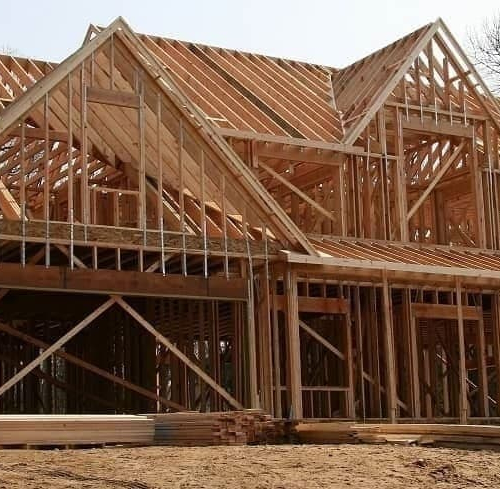
A new-construction home is one that’s either just been built or about to be built and hasn’t yet been lived in. There are several types of new-construction homes:
- To-be-built homes. Construction begins after you agree to buy the home, allowing you to select certain design options in advance.
- Custom builds. Homes where the buyer purchases land and collaborates directly with an architect and builder to customize all details from the floor plan to cabinet hardware.
- Spec homes. Short for "speculative" homes, these are properties built by development companies using standardized floor plans with the expectation of selling them for a profit during or immediately after construction. Prospective buyers can also explore purchasing spec homes that serve as neighborhood showrooms.
See what you qualify for
What builders usually negotiate
Understanding why builders negotiate the way they do can help you save.
Real estate transaction details, including a home's sale price, become public record once the deal closes. If a builder cuts its base price by $30,000 for you, that lower figure appears in local public records. Future buyers and appraisers will use that lower sale as a benchmark real estate comp, effectively devaluing the rest of the homes in the subdivision.
To prevent setting a lower price benchmark, builders prefer to keep the base price locked and instead offer other incentives such as:
- Financing and closing cost credits. Builders frequently offer $5,000 to $10,000 toward your closing costs if you use their preferred lending partners.
- Mortgage rate buydowns. Instead of reducing the home's price, builders may fund temporary or permanent rate buydowns to reduce your initial monthly mortgage payment.
- Design studio allowances. Builders may offer $15,000 – $25,000 in credits at their design center, letting you add luxury tile, upgraded cabinetry, or quartz countertops at no additional charge.
- Lot premium discounts. Builders charge extra for prime locations like cul-de-sac corners or greenbelt views. Waiving a $10,000 lot premium reduces your total outlay without lowering the official base sales price of the home structure itself.
|
Negotiable items (high flexibility) |
Rarely negotiable (low flexibility) |
|
Closing cost credits: Builder contributions toward title fees, escrow, or rate buydowns |
Base sales price: The published sticker price for the home's structural shell |
|
Design center upgrades: Premium countertops, hardwood flooring, or appliance packages |
Structural modifications: Altering load-bearing walls or changing core square footage late in the build process |
|
Lot premiums: Extra fees charged for desirable corner, cul-de-sac, or greenbelt lots |
HOA fees and local taxes: Mandatory dues set by local municipalities or developments |
|
Move-in hardware: Included window blinds, washer/dryer units, or garage door openers |
Standard building materials: Fundamental framing, plumbing, or electrical components |
Take the first step toward the right mortgage
Apply online for expert recommendations with real interest rates and payments
How much can you usually negotiate?
While every real estate market and developer operates differently, buyers can generally expect total builder concessions – combining closing cost help, upgrade credits, and price flexibility – to fall between 1% and 5% of the home’s total purchase price. Here is a breakdown of how far you can typically push different parts of your offer:
- Base price reductions (0% to 3%). Direct cuts to the sticker price are the hardest to secure because builders want to protect public property sales records for the community. In a competitive market, expect zero percent off the base price. In a slower market or on a spec home that has been sitting completed for months, you might negotiate a 1% – 3% price reduction.
- Financing and closing costs ($5,000 to $15,000). This is often your best bet to catch a deal from a builder. By using a developer's preferred lender, it is common to secure $5,000 to $15,000 toward your closing costs or a temporary mortgage rate buydown.
- Design center and options ($5,000 to $25,000). Builders often carry profit margins of 30% to 50% on design center upgrades and options. Because options cost the builder less than their retail value, asking for $10,000 in free upgrade allowances is often much easier than asking for a $10,000 price drop.
Remember, entering negotiations with realistic targets keeps the conversation productive and protects your relationship with the builder throughout the construction process.
How to make an offer on a new-construction home
Making an offer on a new-construction home is like making an offer on an existing home. However, it’s important to do your research on the builder and take a few other key steps before you put your offer in writing.
Find a reputable lender and agent
Once you know where you want to live, the next step is to connect with a reputable mortgage lender that will help you understand how much house you can afford and the type of mortgage you qualify for. They may provide multiple financing options, and they’ll guide you through the process from application to closing.
After you’ve selected a lender, it’s time to choose a real estate agent who has experience working with new-construction homes in the area where you want to buy.
Visit model showrooms
Once you’ve done your research on the builder, take some time to visit model showrooms to explore your options. A builder’s showroom shows you the available floor plans and finishes, so you can tell fast whether their style fits you.
Decide how much you want to offer
Don’t lead with asking for a discount. Decide how much you’re willing to offer instead. It’s wise to choose a number you can realistically afford but that the builder will take seriously.
Put the offer in writing
With a mortgage preapproval letter in hand and your real estate agent by your side, you’re ready to make an offer. In some cases, the builder may have their own contract. If they don’t, you can speak with your real estate agent or a real estate attorney about drawing up a purchase and sale agreement.
The contract will include your name and contact information, along with the builder’s contact information and the terms of the agreement, such as the purchase price, deposit amount, contingencies, and the closing and possession dates. Before signing the contract, be sure to carefully read through and understand all the terms. If you have any questions, ask your real estate agent or lender.
Make an offer that will get accepted
Get a Verified Approval from Rocket Mortgage®
4 tips for negotiating on new-construction homes
Here are four tips for negotiating the price of a new-construction home.
1. Understand the market
It’s important to have a thorough understanding of the local market when negotiating a new-home price. Does the current market favor sellers or buyers? Are a lot of other new-construction homes available in the area where you’re looking? The more you know about the market in the area where you want to buy, the better your chances of successfully negotiating the price of a new home.
2. Get the timing right
Negotiating in May or June during peak buying season can be much more challenging than doing so in December when the market typically slows down. Builders may also have sales deadlines toward the end of the year, potentially making them more flexible on their price.
3. Control your emotions and be willing to walk
It’s normal to feel emotional when buying a house, but keep that in check when you negotiate with the builder. Even if you’re dealing with a major financial investment in the place you’ll call home, home builders are running a business.
Also know when it’s time to walk away. If you and the builder can’t agree on terms that work for you, you can decline the deal, which in turn may strengthen your negotiating position if the builder is motivated to sell.
4. Ask for incentives if the price won’t move
If asking for a lower purchase price doesn’t produce your desired outcome, see if the builder can offer other incentives, such as a credit at closing, upgraded finishes, or an extended home warranty.
FAQ
Let’s look at some frequently asked questions about negotiating a new-construction home purchase.
Can you negotiate closing costs on a new build?
Yes. Negotiating builder-paid closing costs is one of the most common concessions in new construction. Builders can contribute thousands toward your closing fees if you choose to use their preferred in-house lender.
Should you use the builder’s preferred lender?
Using a builder’s preferred lender can unlock substantial builder incentives, like rate buydowns or upgrade credits. However, always shop for lenders so you can compare mortgage rates and origination fees to ensure the builder's incentive package delivers true savings.
Can you negotiate lot premiums or upgrades?
Yes. While builders are less likely to discount the base price of a house, they frequently reduce or waive lot premiums and offer design center credits to finalize a sale.
How do you choose a real estate agent for a new-construction purchase?
Look for a real estate agent who specializes in new builds and local developer contracts. You’ll want someone with experience negotiating with site agents, who understands structural inspection steps, and is not affiliated with the builder.
What is the 70/30 rule in negotiation?
According to the 70/30 rule, you should spend 70% of your time listening and observing, and only 30% of your time talking during a negotiation. In real estate, listening to the builder's sales representative helps you discover their true motivations.
The bottom line: Be strategic when negotiating a new-construction home price
Negotiating a deal on a new-construction home requires a different strategy than buying a resale property. While developers rarely discount their advertised base price, it’s possible to save by negotiating closing cost credits, rate buydowns, design center upgrades, and waived lot premiums.
Looking for a trusted lender to partner with on your new-home purchase? Start the approval process today with Rocket Mortgage.
*Any figures, interest rates, loan examples, and market data referenced in this article are hypothetical or aggregated for educational purposes only. They are not intended to reflect current pricing, available terms, or personalized loan options for any consumer. This content does not constitute an advertisement of credit terms, a solicitation or offer to extend credit, or a rate quote under federal or state lending laws. Actual mortgage rates and terms are determined by individual financial qualifications, property characteristics, market conditions, and other factors, and are subject to change without notice. If you are seeking current, real-time mortgage rate information please refer to the official live rate information and product details published at RocketMortgage.com/mortgage-rates, where current pricing and various loan terms are made available.
This article is for informational purposes only and is not intended to provide, and should not be relied on for, medical, legal, financial, investment, or tax advice. You should consult with a qualified professional for advice specific to your situation. Consumers should independently verify that any services, products, or programs referenced meet their needs and comply with applicable requirements.
Rocket Mortgage is a trademark or service mark of Rocket Mortgage LLC or its affiliates.

Rory Arnold
Rory Arnold is a Los Angeles-based writer who has contributed to a variety of publications, including Quicken Loans, LowerMyBills, Ranker, Earth.com and JerseyDigs. He has also been quoted in The Atlantic. Rory received his Bachelor of Science in Media, Culture and Communication from New York University.
Related resources
11-minute read
Building vs. buying a home: Which is cheaper?
In the market for a new home? The costs of building vs. buying depend on your market, building supplies, and more. Learn how to compare new vs. existing homes.
Read more

5-minute read
Buying an old house vs. a new house: The pros and cons
Debating between the freshness of a new house and the charm of an old house? Learn more about the financial differences and responsibilities before buying.
Read more

12-minute read
How much does it cost to build a house?
Learn how much it costs to build a house, from square-foot estimates to land, permits, and financing costs. Compare build vs. buy and explore next steps.
Read more