What is a spec home? Costs, pros, and buying tips
Updated Sep 20, 2026
•11-minute read

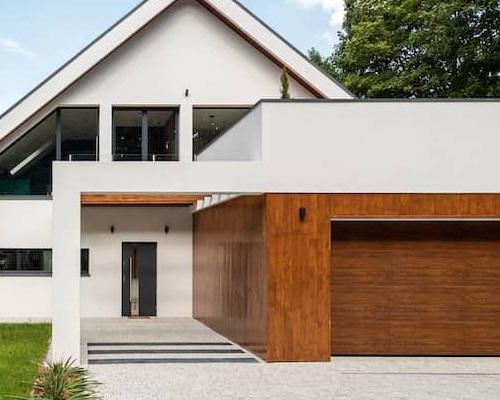
Navigating the real estate market offers several avenues to homeownership or real estate investment. While purchasing an existing residential property or buying rental property are traditional paths, you can also explore options like real estate investment trusts (REITs), crowdfunding, or buying a new construction home. Among new construction options, spec homes represent one of the most accessible and fastest-growing choices for buyers and investors alike.
A spec home offers the freshness of brand-new construction without the long wait times or complex decisions involved in building a house. Understanding how spec homes work, what they cost, and how they compare to other new build options can help you determine if purchasing one is the right financial step.
Key takeaways:
- A spec home (short for speculative home) is a brand-new house built by a developer before a buyer is secured, offering a move-in-ready property on a faster timeline.
- Spec homes often feature predictable pricing and lower costs per square foot than custom builds, though buyers trade away the ability to heavily customize floor plans or layouts.
- Builders are often more open to negotiating prices, closing cost credits, or upgrades during slow market seasons or when a completed spec home sits vacant.
What is a spec home?
A spec house (short for speculative house) is a new house that a home builder constructs on the speculation that it will sell easily for a profit. Builders design these move-in-ready homes to be as appealing as possible to a wide pool of home buyers, taking careful note of local real estate trends and broader housing market conditions to determine where to build and what features to include.
Unlike traditional custom builds where a buyer secures financing and hires a contractor before breaking ground, a spec home builder funds the land acquisition and construction upfront. The builder assumes the financial risk, anticipating that a buyer will step forward during construction or shortly after the home is completed.
If you find yourself looking to buy a spec home in a competitive market, a higher level of financial backing can help strengthen your offer. Rocket Mortgage offers Verified Approval, which takes a closer look at your income and assets to provide you with a firmer understanding of what you can afford and the ability to show sellers you're serious and ready to buy.1
Why is it called a spec home?
The term "spec" is short for speculative. It describes the builder's business strategy: they are speculating that the local housing market will yield a buyer willing to purchase the property at a price that generates a profit once construction is complete. Because the builder’s capital is tied up in the build, their goal is to sell the home as quickly as possible.
Other names for spec homes
Throughout the real estate industry, builders, real estate agents, and lenders may use several interchangeable terms for a spec home. Common alternate names include:
- Inventory homes: Refers to homes that a builder keeps in their immediate sales inventory.
- Quick delivery homes (or quick move-in homes): Highlights the minimal wait time compared to standard construction timelines.
- Showcase homes: Describes completed homes designed with popular upgrades to demonstrate the builder's workmanship to prospective buyers.
- Move-in-ready homes: Emphasizes that construction is complete or nearly complete, operating much like a turnkey property that requires no immediate renovations.
See what you qualify for
How spec homes differ from custom, model, and to-be-built homes
When shopping for new construction, buyers often encounter several types of properties. Understanding the differences between spec, custom, model, and to-be-built homes helps clarify your options regarding timeline, cost, and design flexibility.
Spec home vs. custom home
A custom house is a unique house designed for a specific client and built on a particular piece of land. A custom build project involves working directly with an architect and home builder to plan, design, and select every detail from start to finish - including room dimensions, structural materials, and personalized finishes.
A spec home does not allow you to choose details from scratch. Most design elements, structural layouts, and fixtures are pre-selected by the builder to streamline construction and control costs. While custom homes offer total creative freedom, they come with significantly higher price tags per square foot and longer construction timelines.
Spec home vs. model home
A model home is a fully constructed, professionally decorated property built within a new subdivision to showcase the builder's work, available floor plans, and upgrade options to prospective buyers. Model homes serve as operational sales offices for the developer during the community’s build-out phase.
While a spec home is built specifically to be sold as quickly as possible, a model home is usually retained by the builder until a majority of the neighborhood lots are sold. In some cases, builders offer a model home for sale via a "leaseback" agreement, where an investor buys the home and leases it back to the builder to use as a sales center until community development concludes. Model homes typically feature top-tier upgrades, professional landscaping, and fully integrated smart-home technology.
Spec home vs. to-be-built home
A to-be-built home (often associated with production or semi-custom builders) sits halfway between a spec home and a custom build. With a to-be-built property, a developer owns a tract of land and offers preapproved floor plans. You select your preferred lot and floor plan before construction starts, and you choose finishes like flooring, cabinets, and paint from the builder's design center.
With a spec home, construction is already underway or fully finished before you sign a contract. You skip the design center process entirely, trading personal choices for immediate move-in availability. (Note that spec homes differ from off-site construction choices like a prefab home, as spec homes are traditionally built directly on-site in a planned development.)
Take the first step toward the right mortgage
Apply online for expert recommendations with real interest rates and payments
Why builders create spec homes
Builders build spec homes to keep their construction crews working, maintain cash flow, and capture market demand during peak buying seasons. Rather than waiting for individual buyers to bring custom plans, developers use market research to construct properties that align with regional buyer preferences.
When designing spec homes, builders prioritize universal appeal. They select neutral color palettes, energy-efficient appliances, durable quartz or granite countertops, and open-concept floor plans that attract the broadest range of buyers. By purchasing materials in bulk for multiple spec properties, builders lower their material costs, passing some savings on to buyers while protecting their profit margins.
How much does a spec home cost?
You'll generally pay less per square foot for a spec home compared to a similar customized production home or custom-built home. Quality home builders put their money into floor plans that they know yield solidly built properties. The primary financial goal of a spec home is to offer buyers a fair price for a brand-new, move-in-ready property while maintaining predictable profit margins for the developer.
What determines the price of a spec home?
Several economic and structural factors influence the ultimate listing price of a spec home, including:
- Supply of property lots: Land scarcity in desirable school districts or suburban hubs drives up base prices.
- Amenities and upgrades: High-end appliances, hardwood flooring, covered patios, or upgraded insulation increase overall costs.
- Surrounding home values: Recent sales of comparable properties (comps) within the neighborhood set the pricing baseline.
- Design and layout: Complex rooflines or multistory floor plans increase structural costs compared to simple ranch-style layouts.
- Material quality: Fluctuations in lumber, concrete, and steel prices directly impact the home's final valuation.
- Square footage: Overall living area remains a primary driver of baseline construction costs.
- Buyer demand: Strong local buyer demand allows builders to list spec homes at premium prices, while slow demand leads to price adjustments.
Are spec homes cheaper?
You’ll generally pay less per square foot for a spec home compared to a similar customized production home or custom-built home. Because the builder controls the design process, they avoid expensive custom architectural fees, specialized framing, and mid-construction change orders that cause budget overruns in custom projects.
Additionally, spec homes feature fixed, predictable costs. The sales price listed by the builder typically includes the lot, construction, finishes, and landscaping, protecting buyers from unexpected cost increases during the build process.
Can you negotiate the price of a spec home?
Builders usually construct several comparable spec homes in a single development, which means that the style of home will likely have an established market value. Because reducing the sales price on one spec home can lower the home appraisal value for future builds in the subdivision, builders are often reluctant to discount the base purchase price.
However, depending on market conditions and how long the property has been on the market, you might still negotiate valuable concessions when making an offer on a new construction home:
- Closing cost credits: Ask the builder to pay a percentage of your closing costs or cover mortgage rate buydowns to lower your monthly payment.
- Upgrades and add-ons: If the home is still under construction, negotiate for upgraded appliances, window coverings, fencing, or washer/dryer packages at no extra charge.
- Price adjustments on vacant inventory: If a completed spec home sits vacant for an extended period or the local housing market shifts, a builder carrying high interest on their construction loan may accept a lower purchase offer to clear the property from their balance sheet.
Note that if a spec home is fully completed, it is sold strictly as is. Any structural or layout modifications you wish to make after purchase will need to be funded out of your own pocket.
Make an offer that will get accepted
Get a Verified Approval from Rocket Mortgage®
Pros and cons of buying a spec home
Evaluating the advantages and disadvantages of a spec home helps clarify whether this path meets your housing timeline and budget requirements.
Benefits of a spec home
- Move-in readiness: They’re move-in-ready homes. You don't have to worry about installing new cabinets or countertops or whether the roof is in bad shape. You move into a fresh, modern home right away.
- Affordability: You'll usually pay less per square foot for a spec home than a custom home. Builders control costs through volume purchasing and standard construction techniques.
- Immediate timeline: There’s little to no wait time for construction delays. You can typically close and move in within 30 – 60 days, compared to the 8 – 12 months required for custom or to-be-built properties.
- New systems and energy efficiency: Brand-new HVAC units, plumbing, roofs, and modern insulation standards translate to lower monthly utility bills and minimal repair needs.
- Builder's warranty: Most spec homes include a structural warranty (often covering major systems for 1 – 2 years and structural components for up to 10 years), offering long-term financial security.
- Predictable costs: Fixed pricing eliminates the cost overruns and change-order fees common in custom construction projects.
- Less decision fatigue: You bypass hundreds of design choices, allowing professional interior designers hired by the builder to select cohesive, stylish finishes.
- Ready-to-tour availability: Unlike buying off a blueprint, you can physically tour a completed spec home, test natural light, evaluate room flow, and inspect build quality before making an offer.
Drawbacks of a spec home
- Limited customization: The builder chooses most features based on general buyer trends. Finishes may not completely match your personal tastes.
- Fixed floor plan: You cannot modify room layouts, add extra bedrooms, or alter structural elements since framing is already completed or set.
- Generic design: Spec homes frequently feature neutral colors and popular finishes, meaning your home may look similar to others on the same street.
- Limited lot and location choice: You cannot choose where the spec house is positioned within a development or select a custom piece of land.
- Potential for builder-grade finishes: Some builders use basic materials for standard fixtures, carpet, or cabinetry to keep listing prices competitive.
How to buy a spec home
The process of purchasing a spec home is similar to that of a traditional property – you’ll need to decide how to finance the home purchase and what type of mortgage works best for your situation. The plus side is that buying a spec house is often a quicker process than buying a custom or new construction home because spec homes are move-in ready.
You can accelerate the home buying process even further by getting initial mortgage approval before starting your home search. If you know you want to buy a spec home, starting the approval process and getting Verified Approval1 shows that you’re serious about buying a home. It can also give you a competitive advantage when you decide to make an offer on a spec house.
How to buy a spec home
Purchasing a spec home follows a path similar to buying a traditional resale property, but the timeline often moves much faster because the home is already built or nearing completion.
Financing and timing basics
Securing financing early is essential when buying a spec home. Because spec homes are designed for rapid sale, sellers prioritize buyers who can close without delay.
Working with your lender to secure mortgage preapproval – or obtaining Verified Approval – demonstrates financial capability and allows you to make a competitive offer as soon as you find the right property. While builders often offer incentives to use their preferred in-house lender (such as credits toward closing costs), you retain the right to shop around for the right mortgage for your situation.
How to evaluate a spec home during a tour
When touring a spec home, evaluate the property with both practical functionality and build quality in mind. Use this quick checklist during your walk-through:
- Inspect workmanship details: Look closely at tile grout, paint lines, baseboard trim seams, and cabinet alignment for signs of rush work.
- Test doors and windows: Open and close all interior doors, exterior doors, and windows to verify smooth operation and proper sealing.
- Review room flow and storage: Check closet sizes, kitchen pantry capacity, and garage dimensions to ensure your daily storage needs are met.
- Evaluate natural light and lot orientation: Observe how sun angles affect main living areas throughout the day and review drainage slopes in the yard.
- Verify included vs. optional features: Ask the builder’s sales representative explicitly which displayed features (such as kitchen appliances, light fixtures, or window blinds) are included in the sales price and which are decorative staging.
Warranty and service after move-in
A major advantage of purchasing a spec home is the included warranty coverage. Standard builder warranties typically follow a three-tier structure:
- Year 1 (workmanship and materials): Covers defects in siding, drywall, flooring, doors, and paint.
- Year 2 (mechanical systems): Covers major systems, including HVAC ductwork, electrical wiring, and plumbing lines.
- Year 10 (structural components): Covers major structural elements, such as foundation walls, roof framing, and load-bearing beams.
Before closing, hire an independent inspector to complete a new construction phase inspection or final walk-through inspection. Conduct a formal punch list review alongside the builder representative to document any cosmetic flaws, minor repairs, or incomplete tasks so the builder can address them before you take final possession of the keys.
When is the right time to buy a spec house?
The ideal time to purchase a spec home from a builder is when sales volume slows down in the broader market. Try shopping during the late fall, winter months, or around major winter holidays when buyer foot traffic drops. Builders carrying inventory at year-end are often motivated to complete sales to meet annual targets or reduce property tax liabilities on completed homes.
Your real estate agent can analyze local inventory trends and help you identify developers carrying unsold spec inventory who may be more receptive to negotiation, price adjustments, or closing cost incentives.
Is a spec home right for you?
Deciding whether a spec home aligns with your goals depends on your moving timeline, personal style choices, and budget requirements. So should you build a home or buy an existing home? Let’s go over some considerations.
A simple spec home decision checklist
Use this quick checklist to determine if a spec home fits your home buying goals:
- Timeline: Do you need to move within 30 – 60 days?
- Customization: Are you comfortable letting a builder select your home's layout, fixtures, and interior finishes?
- Budget: Are you looking for a new construction property with a predictable purchase price and minimal risk of cost overruns?
- Location: Is living in a planned subdivision or community acceptable compared to choosing an isolated rural lot?
- Maintenance: Do you prefer brand-new home systems, low immediate maintenance, and builder warranty protection?
If you checked most of these boxes, a spec home could offer the ideal balance of speed, convenience, and financial value.
The bottom line: Should you buy a spec home?
Buying a spec house comes with minor limitations – such as fixed floor plans and limited design input. However, for buyers seeking an affordable, move-in-ready new construction home with modern efficiency, builder warranty protection, and an accelerated closing timeline, a spec home offers an exceptional opportunity.
Ready to take the next step toward buying a move-in-ready spec home? Apply online today to get preapproved and start your search with confidence.
1Participation in the Verified Approval program is based on an underwriter’s comprehensive analysis of your credit, income, employment status, assets and debt. If new information materially changes the underwriting decision resulting in a denial of your credit request, if the loan fails to close for a reason outside of Rocket Mortgage’s control, including, but not limited to satisfactory insurance, appraisal and title report/search, or if you no longer want to proceed with the loan, your participation in the program will be discontinued. If your eligibility in the program does not change and your mortgage loan does not close due to a Rocket Mortgage error, you will receive the $1,000. This offer does not apply to new purchase loans submitted to Rocket Mortgage through a mortgage broker. Rocket Mortgage reserves the right to cancel this offer at any time. Acceptance of this offer constitutes the acceptance of these terms and conditions, which are subject to change at the sole discretion of Rocket Mortgage. Additional conditions or exclusions may apply.
Rocket Mortgage is a trademark of Rocket Mortgage, LLC or its affiliates.

Marissa Crum
Marissa Crum is a Content Marketing Specialist with 4 years of experience writing real estate and mortgage content. She focuses on home financing topics that help readers better understand mortgage options and affordability.
Related resources
5-minute read
What is a turnkey home?
A turnkey home is a property that’s move-in ready and needs few or no renovations or improvements. You may pay more for these homes. Is it worth it?
Read more
5-minute read
What is a prefab home?
Read more
7-minute read
Buying a new-construction home
Buying a new-construction home can help you get the place of your dreams. Learn about the process, costs, benefits, and drawbacks so you know what to expect.
Read more