How to check if a neighborhood is safe
Contributed by Sarah Henseler
Updated May 25, 2026
•6-minute read

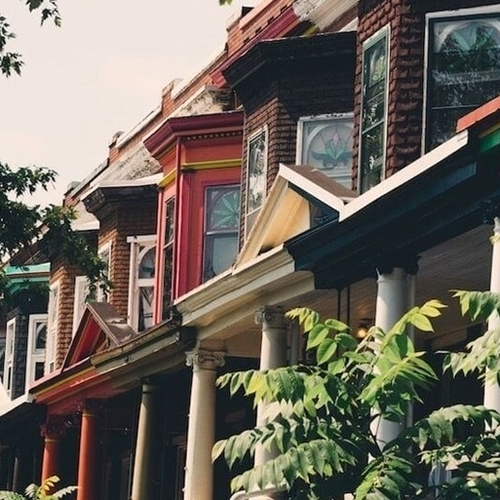
Everyone wants to feel safe at home. If you’re looking to buy a home, its location will be a major consideration. You’ll want to be sure to scope out the neighborhood, but you can only tell so much about it at face value. Assessing whether a neighborhood is safe requires considering more than your first impressions of the area. Here’s a closer look at how to evaluate a neighborhood for safety to help you and your loved ones choose the right place to live.
Why neighborhood safety matters for home buyers
Thoroughly investigating the safety of a potential neighborhood is an important step in the home buying process. Beyond simply giving you peace of mind, the security of an area directly impacts you and your family's daily well-being and overall quality of life. If you have kids, it’s even more important to know they live in a safe place. That sense of security allows you to relax, let your children play outside, and enjoy your community, which can significantly reduce chronic stress and improve mental health. Research has shown that those who live in areas with high crime, pollution, vandalism, and noise are prone to poorer health.
The safety of your neighborhood carries financial implications. Research has also shown a correlation between local crime rates and home prices. High crime can deter future buyers and drag down your property values, while homes in secure areas tend to appreciate faster over time. If you decide to sell your home in the future, a safe location will be one of your strongest selling points. Your local crime statistics directly influence how much homeowners insurance will cost. Insurance companies charge higher premiums in areas with elevated risks of theft or vandalism.
Fortunately, national trends show neighborhoods have generally gotten safer in recent decades. According to USAFacts, the national property crime rate fell to its lowest level in at least 48 years in 2024, dropping to 1,760.1 offenses per 100,000 people. Both property crime and violent crime have been cut by more than half since 1991.
See what you qualify for
What are the signs of strong neighborhood safety?
When you start touring different areas, it helps to know exactly what positive indicators to look out for. As you’re deciding where to live, keep an eye out for these common signs of a safe and secure community:
- Low crime rates: An area that has a history of low property and violent crime reports is a good indicator of safety.
- Neighborhood watch groups: Visible signs or active community patrols show that residents are engaged and proactive about looking out for one another.
- Children playing outside: When parents feel comfortable letting their kids play in front yards, ride bikes, or walk to the local park, it can be a testament to the area's overall security.
- Well-maintained properties: Clean streets, manicured lawns, and well-kept exteriors suggest that homeowners take pride in their community and are invested in its upkeep.
- Active community engagement: A neighborhood where people host block parties, attend local meetings, and hold community events helps make its residents feel safe and connected.
- Thriving local businesses: Bustling local cafes, shops, and grocery stores indicate a healthy local economy and a steady, safe flow of foot traffic.
- Close proximity to emergency services and health care: Having police stations, fire departments, and hospitals nearby ensures rapid response times in the event of an emergency.
Take the first step toward the right mortgage
Apply online for expert recommendations with real interest rates and payments
4 ways to assess how safe your neighborhood is
Here are four effective ways to evaluate safety in a neighborhood to help you determine if it’s the right place for you to buy a home.
1. Use crime-mapping tools
One of the most efficient ways to review recent incidents and crime trends is by using online crime mapping tools. These digital databases aggregate local police data to show you exactly where and when crimes are happening. Some of the most popular and reliable tools include:
- LexisNexis Community Crime Map: Syncs directly with local law enforcement to provide up-to-date crime reports and interactive maps.
- CityProtect: Offers access to agency data, allowing you to view registered incidents and even register your own security cameras.
- FBI Crime Data Explorer: A massive federal database that provides broader insights into local, state, and national crime trends.
- AreaVibes: Assigns a livability score based on crime, amenities, and other factors, making it easy to compare different zip codes.
- ADT Crime Map: A helpful alternative resource that aggregates public records to show reported criminal activity nearby.
- NeighborhoodScout: Offers comprehensive, hyper-local crime data and neighborhood statistics.
- Individual city or county crime report databases: Many local police departments maintain their own online portals with the most current and accurate local data.
When using these tools to pull neighborhood info, make sure to look closely at the types of crimes being reported. A high volume of minor traffic citations is very different from a cluster of burglaries. Also, remember that data alone does not paint the entire picture. You can use this information as a starting point to conduct further research before choosing a location.
2. Review sex offender registry checks
You can also conduct a sex offender search to see if any registered individuals live near your target address. Knowing who resides in the immediate vicinity is especially important for families with young children.
You can search national and local databases using platforms such as:
- National Sex Offender Public Website (NSOPW): The NSOPW is the only U.S. government website that links all public state, territorial, and tribal sex offender registries.
- Family Watchdog: A free service that maps the locations of registered offenders and allows you to sign up for notifications if one moves in or out of your area.
- State or county online registries: Local law enforcement websites often provide the most updated, jurisdiction-specific information.
3. Connect with people already living in the area
One of the best ways to research a new neighborhood is to connect with people in the area. Neighbors should have the best insight into what goes on and what you can expect.
There are several great ways to connect with your potential new neighbors:
- Introduce yourself in person: Don’t be afraid to politely approach someone walking their dog or doing yard work to ask how they like the area.
- Browse the community’s Facebook groups: Local social media groups are often full of honest conversations about neighborhood happenings and concerns.
- Join the community’s Nextdoor page: Nextdoor is a platform designed for residents to post about everything from lost pets to suspicious activity.
- Attend neighborhood events: Visiting a local farmers market or community fair is an excellent way to organically meet locals.
If you’re buying a house out of state, connecting online is a great way to explore where you should live.
4. Take a walk or drive around the neighborhood
Physically visiting the area allows you to not only uncover potential safety issues but also understand what daily life is like, including noise levels, traffic density, and property conditions.
To get an accurate feel when you find a house, visit the neighborhood at different times of day. A street that is completely silent on a Sunday morning might be loud and congested on a Saturday during rush hour. Keep an eye out for common red flags that may indicate an unsafe area, such as poor street lighting, visible criminal activity, excessive noise, or signs of severe property damage. Even if you’re considering the pros and cons of buying a fixer-upper house, a neighborhood with many neglected or heavily vandalized vacant homes could be cause for concern.
Make an offer that will get accepted
Get a Verified Approval from Rocket Mortgage®
What are the safest places to live?
U.S. News & World Report published a report ranking each state for public safety based on FBI data on the violent crime rate and the property crime rates in each. According to the report, the 10 safest states are:
- New Hampshire
- Maine
- Idaho
- Rhode Island
- Connecticut
- West Virginia
- Wyoming
- Massachusetts
- Wisconsin
- New Jersey
Of course, every state contains some very safe communities and some dicey areas, so it helps to zoom in on the local level when evaluating security in a community.
How to feel safer in your neighborhood
No matter where you choose to live, taking proactive steps after you move in can help boost your peace of mind. Here are a few ways buyers can boost their home security in any community:
- Purchase a home security system: A monitored security system acts as a strong deterrent for burglars and provides 24/7 protection.
- Install smart technology: Upgrading to a smart home with security cameras, smart locks, and video doorbells allows you to monitor your property straight from your phone.
- Maintain relationships with neighbors: Being a good neighbor creates a supportive network where people look out for each other and notice when something is out of place.
- Join or start a neighborhood watch: Collaborating with your neighbors to keep an organized watch over the community actively discourages crime.
- Keep an eye on community safety platforms: Staying active on local apps helps you stay aware of recent alerts or minor incidents in your vicinity.
- Report any suspicious activity to law enforcement: If you see something, say something. Promptly reporting issues helps keep the entire neighborhood secure.
The bottom line: Check neighborhood safety before buying your dream home
When you buy a home, the location is just as important as the structure itself. While not everyone can afford to live in a perfectly quiet and serene neighborhood, you’ll want to find a place where you and your loved ones feel safe. Checking local crime statistics, utilizing offender registries, chatting with future neighbors, and exploring the streets at different times of the day can tell you a lot about a new neighborhood.
Once you find a community that feels just right, you are ready to make your move. Take the next step today and apply for a mortgage with Rocket Mortgage to get started on your home buying journey.
Rocket Mortgage is a trademark of Rocket Mortgage, LLC or its affiliates.

Rory Arnold
Rory Arnold is a Los Angeles-based writer who has contributed to a variety of publications, including Quicken Loans, LowerMyBills, Ranker, Earth.com and JerseyDigs. He has also been quoted in The Atlantic. Rory received his Bachelor of Science in Media, Culture and Communication from New York University.
Related resources
14-minute read
120 home buying and mortgage facts for 2023
We have compiled a list of the top need-to-know mortgage facts and home buying statistics to give buyers a better understanding of the 2023 real estate market.
Read more
8-minute read
Buying a fixer-upper house: Pros and cons
You can buy fixer-upper houses at lower prices and renovate them to enjoy or sell. Learn how this works – and uncover the pros and cons of buying a fixer-...
Read more

7-minute read
10 tips for buying a house out of state
Making a long-distance move can be stressful, but virtual tours and closings can simplify things. Check out our tips for buying a home in another state.
Read more