Buying a fixer-upper house: Pros and cons
Contributed by Sarah Henseler
Updated Jul 1, 2024
•8-minute read

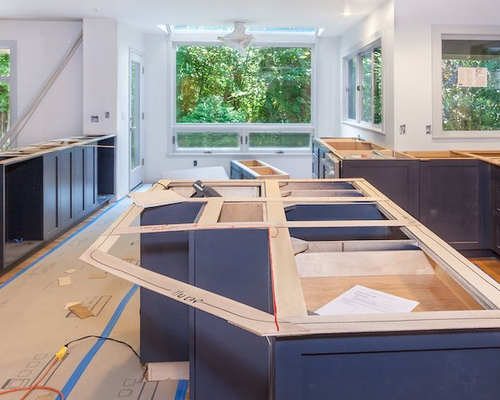
One of the biggest barriers prospective home buyers face in the current market is the sheer cost of houses these days. As of August 2025, the median sales price for a new home was $413,500 up more than $92,100 in just 5 years when the median price was $321,400 in August 2020. One way home buyers overcome this obstacle is by buying a fixer-upper.
Fixer-uppers are homes that need repairs and as a result can be purchased below market value. Just beware that the necessary repairs can be both extensive and expensive, so you’ll need to be ready to commit to the investment. Here we’ll take a closer look at the pros and cons of buying a fixer-upper and how to find one to help you decide if this might be the best home option for you.
What is a fixer-upper?
A fixer-upper is a property available at a lower purchase price because it requires major maintenance, repairs, or remodeling work once you buy the house. These homes typically have more than one problem that can be structural, cosmetic, or both.
While you typically can sometimes still live in a fixer-upper, you’ll need to spend a lot of time and money on improvements. There can be a whole range of fixer-uppers - from homes that only have a few minor issues to those that are uninhabitable and need to be flipped entirely.
Whether you’re buying a fixer-upper to be able to afford more home or you’re flipping it to make a profit, this type of home can save you big money. The median sale price of a fixer-upper is currently about $283,000 - that’s nearly 30% cheaper than the cost a new home.
See what you qualify for
Pros and cons of buying a fixer-upper
Let’s take a look at some of the benefits and drawbacks of buying a fixer-upper house.
Pros of buying a fixer-upper
- A lower purchase price: A fixer-upper costs more to renovate but typically has a lower list price and down payment.
- Less competition: Generally speaking, you’ll find less competition for fixer-upper homes, so you’re more likely to land the home you’d like at a great price.
- The chance to customize your home: Once you buy a fixer-upper house, you as the homeowner have the freedom to do whatever you please to it. Don’t like the kitchen? Remodel it. Want a deck? Build one. Want a bigger living room? Expand the space.
- Quality control: With renovations, you’re in charge. You can choose the materials, colors, contractors and everything else you’d like to build your dream home.
Cons of buying a fixer-upper
- Expensive renovations: Depending on the renovations, you may end up barely breaking even – or spending more money on a fixer-upper.
- Difficult budgeting: While you can run the numbers and estimate how much your renovations will cost, it’s almost impossible to come to an accurate figure. Surprise costs will always pop up.
- Unexpected issues: Even if you get an inspection, unexpected issues will almost always arise – especially if the house is older.
- Long-term construction: If you stay in your fixer-upper during renovations, you’ll be living in a construction zone until the work wraps up.
Take the first step toward the right mortgage
Apply online for expert recommendations with real interest rates and payments
Should you buy a fixer-upper home?
Whether a fixer-upper home is right for you will depend on your situation, goals, and priorities. Consider all these things before moving forward on a fixer-upper purchase.
A fixer-upper may be a good investment, but it can also be a huge money pit if you skip an inspection, underestimate the cost of renovations, or contract out for most projects.
To ensure a fixer-upper house is well worth the money, look at comparable homes - known as real estate comps - in the neighborhood. Then, add your estimated cost of renovations to the purchase price. If the total cost is still below market value, then the investment is likely worthwhile.
According to a 2025 survey from Today’s Homeowner, 79% of those who purchased a fixer-upper home said they would buy the same house again.
Financial considerations when buying a fixer upper
Although buying a fixer-upper might seem like a fun project, it can be an ambitious risk without careful planning. There are many factors to take into account, but if successful, fixing up an old home can be a truly rewarding experience. Be sure to consider the following:
- Planning your renovation budget: Before looking at fixer-uppers, it’s important to estimate renovation costs and your financial buffer to ensure the property is truly affordable and avoid purchasing a home you can’t realistically renovate. Consider how much money you have on hand and how much disposable income can you expect to have over the next several years while renovation takes place.
- Navigating specialized financing options: There are several financing options for fixer-uppers, including renovation mortgages, home equity loans, and personal loans. If you’re buying an investment property that you won’t be living in, you can apply for the Fannie Mae Homestyle Renovation Mortgage or Freddie Mac’s CHOICERenovation® Mortgage. If you’re buying a fixer-upper to serve as your primary residence, you have more options, including the Department of Housing and Urban Development’s Standard 203(k) program.
- Understanding potential resale value: Many people buy fixer-uppers with the hopes of reselling them for a profit, but that isn’t always the reality. The potential resale value will be based on location, market conditions, and how much your renovations can boost the home’s market value.
The importance of inspections and estimates
There are cases when buying a fixer-upper can end up being more trouble and cost than you bargained for.
- Conducting thorough property inspections: Before buying a fixer-upper, you should have a detailed home inspection done to understand the scope of work and costs. The inspection report will give you a clearer picture on the condition of the home and identify any major issues. Consult our home inspection checklist for questions to consider.
- Getting accurate renovation estimates: While some people are ready to tackle some of the renovations on their own, most will work with a variety of contractors to get things done. Speak with multiple contractors and compare estimates and portfolios.
- Recognizing possible concealed problems: It’s crucial to budget for unexpected issues, such as hidden water damage, HVAC updates, or pests. Some problems may be missed during inspections or come up during renovations.
How to find fixer-upper houses for sale
The easiest way to find fixer-upper homes is to work with a real estate agent. They’ll have a thorough knowledge of what’s on the market and can access the multiple listing service (MLS) and find homes that aren’t publicly listed yet.
If you’re looking for the right fit, our friends at Redfin can help. Simply search the city or ZIP code where you’re looking to buy a home and select “fixer-upper” as a home feature.
You also have the option to attend an auction and buy a foreclosed home as a fixer-upper. However, purchasing a foreclosure at an auction means you’ll buy the house as is, which can be financially risky.
If you’re serious about buying and ready to bid on a fixer-upper, a Verified Approval1 through Rocket Mortgage® can help your offer stand out.
Buying a fixer-upper house in 6 steps
If you’re thinking about buying a fixer-upper home, you might want to keep the following tips in mind.
1. Get a home inspection on the fixer-upper
A home inspection can cost you a few hundred dollars, but it should be a nonnegotiable if you want to buy a fixer-upper. A qualified home inspector will perform a thorough investigation of your prospective home and provide you with a report that outlines all the repairs it will need.
2. Estimate renovation costs
When you buy a fixer-upper house, you’ll want to make sure you can comfortably afford to turn it into the space you desire. Create a list of every project you intend to complete and price out the materials and labor costs. Keep in mind that these are just estimates, and projects can and often do run over budget after they’ve started. Still, this ballpark estimate allows you to budget accordingly and decide whether the investment is worthwhile.
3. Determine whether you need permits
Some renovations may require permits. The location of your home will dictate which renovations you need permits for, but in most towns and cities, permits are necessary for:
- Structural work
- Window installation
- Room additions
- Sheds and garages
- Fences
- Plumbing and electrical work
You can visit your municipal government office online or in-person to apply for a permit. Depending on the complexity of your project, you may need to provide detailed plans.
4. Identify what you can renovate yourself
DIY renovations can save you a significant money compared to hiring contractors. If you’re handy - or have some friends or family members who are - figure out which projects you can do yourself. Some aspects of the home - like your electrical and plumbing systems - should be left to the professionals, especially if they pose safety or habitability risks. More minor projects can be handled without a contractor, like painting or applying a backsplash.
5. Explore fixer-upper loan options
Many lenders offer loan options specifically for homes in need of renovation or home improvements. Some financing options can help you pay for the cost of your home as well as the renovations. With a Federal Housing Administration (FHA) 203(k) rehabilitation loan or Fannie Mae HomeStyle Renovation mortgage, you can purchase your home and put a reserve in escrow to fund renovations.
It should be noted that at this time, Rocket Mortgage® doesn’t offer these financing options.
6. Make a smart offer to not overpay for a fixer-upper
You should aim to avoid overpaying for a fixer-upper. The whole point of buying a house that needs work is getting a good deal on it. It’s important that the offer you make strikes a balance between the value of the home and the cost repairs.
With any offer, you should include contingencies, which are exceptions that allow you to back out of a purchase without penalty if issues arise. Two common contingencies home buyers use are inspection and appraisal contingencies. If an inspection reveals a major problem or the home appraises for lower than you offered, you can back out without losing money.
You should also be able to negotiate a selling price. If the home you’re interested in has several flaws, you may have more bargaining leverage. Work with an agent to make a smart offer and handle any counteroffers. Don’t be afraid to walk away if the seller isn’t willing to negotiate.
FAQ about fixer-uppers
Still have questions about fixer-upper homes? We have answers.
Can you buy a fixer-upper house with no money?
The only loans that do not require a down payment are VA loans and USDA loans, both of which require the home buyer to use the property as their primary residence. It’s possible to buy a fixer-upper with no money down, but you must be prepared to live in it yourself for some time before attempting to sell it.
Is a fixer-upper a good investment?
There are cases when a fixer-upper can be a great investment, and there’s also a lot that can go wrong. The answer largely depends on what you paid for it, the extent of the problems with the home, the cost of repairs, and housing market where the home is located. If you can get a good deal on a home in a marketable area and manage the cost of repairs over time, a fixer-upper can be a worthwhile investment.
The bottom line: Buying a fixer-upper may be worth the effort
A fixer-upper might not be your ideal home, but you can invest in improvements over time to boost its value and make it what you want. For many buyers, purchasing a fixer-upper offers the opportunity to buy a home sooner or buy more home than they would otherwise be able to afford. However, it’s crucial that you have a thorough understanding the condition of the home and the cost of repairs.
If you’ve done your homework and you’re ready to finance a new home, you can get started today.
1Participation in the Verified Approval program is based on an underwriter's comprehensive analysis of your credit, income, employment status, assets and debt. If new information materially changes the underwriting decision resulting in a denial of your credit request, if the loan fails to close for a reason outside of Rocket Mortgage's control, including, but not limited to satisfactory insurance, appraisal and title report/search, or if you no longer want to proceed with the loan, your participation in the program will be discontinued. If your eligibility in the program does not change and your mortgage loan does not close due to a Rocket Mortgage error, you will receive the $1,000. This offer does not apply to new purchase loans submitted to Rocket Mortgage through a mortgage broker. Rocket Mortgage reserves the right to cancel this offer at any time. Acceptance of this offer constitutes the acceptance of these terms and conditions, which are subject to change at the sole discretion of Rocket Mortgage. Additional conditions or exclusions may apply.
Rocket Mortgage is a VA-approved lender, not endorsed or sponsored by the Dept. of Veterans Affairs or any government agency.
Rocket Mortgage, LLC, Rocket Homes Real Estate LLC, RockLoans Marketplace LLC (doing business as Rocket Loans), and Rocket Money, Inc., are separate operating subsidiaries of Rocket Limited Partnership. Redfin Corporation is an affiliated business of Rocket Limited Partnership. Each company is a separate legal entity operated and managed through its own management and governance structure. Rocket Limited Partnership is an indirect, wholly owned subsidiary of Rocket Companies, Inc. (NYSE: RKT)

Rory Arnold
Rory Arnold is a Los Angeles-based writer who has contributed to a variety of publications, including Quicken Loans, LowerMyBills, Ranker, Earth.com and JerseyDigs. He has also been quoted in The Atlantic. Rory received his Bachelor of Science in Media, Culture and Communication from New York University.
Related resources

4-minute read
Renovation and remodeling: The differences explained
Considering making some updates to your home? Learn the difference between a remodel vs. a renovation, including costs, timelines, and impact on home value.<...
Read more
12-minute read
Distressed property: How to find and buy distressed homes
Learn what a distressed property is, where to find one, and the risks to know before buying. Compare types, financing challenges, and next steps today.
Read more

5-minute read
Solid offers come with a Verified Approval Letter
A Verified Approval Letter shows the seller that your offer should be taken seriously. Learn how a VAL can be an advantage that gets your home offer accepted.
Read more