Average closing costs in Virginia
Contributed by Tom McLean
Dec 31, 2025
•3-minute read

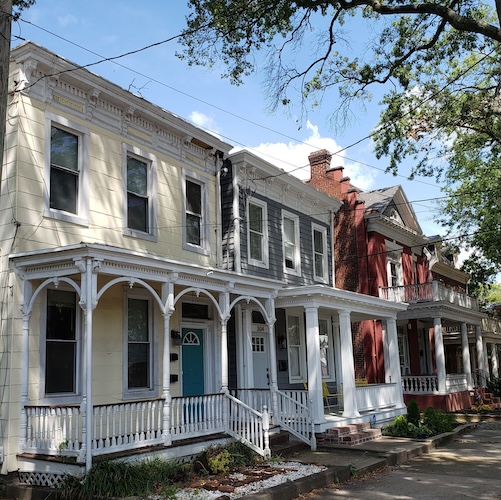
Every time you buy or sell a home in Virginia, you'll have to pay closing costs. While closing costs in Virginia aren’t the highest in the country, they do tend to be higher when compared to those in neighboring states and the national average. Understanding the average closing costs in Virginia can help you plan for these charges and avoid any surprises.
Key takeaways:
- Closing costs are a key upfront expense in Virginia: Home buyers should budget for closing costs in addition to the down payment, as these fees typically total a few percent of the home’s purchase price.
- Costs are split between buyers and sellers: Buyers often pay lender fees, appraisal costs, title insurance and prepaid items, while sellers commonly cover real estate commissions and may share transfer‑related expenses.
- Location and loan type affect the total: Closing costs in Virginia can vary based on county or city taxes, home price and whether you’re purchasing or refinancing, making early estimates important for planning.
How much are closing costs in Virginia?
Average Virginia closing costs when buying a home are $16,054, according to data from Rocket Mortgage®.1 That's 11% more than the national average of $14,422.
When refinancing, the average closing costs in Virginia were $8,875, which is slightly than the national average of $8,762.
The median home price in Virginia in October 2025 was $466,800, according to Redfin. That's significantly higher than the national median sale price of $439,701. Because home prices are slightly higher, closing costs in Virginia also tend to exceed those in neighboring states, such as North Carolina and West Virginia.
Using data from Rocket Mortgage and Redfin, the average closing cost percentage in Virginia is about 3.4% of the home’s sale price, which is higher than the national average of 3.2%.
Closing costs can vary significantly depending on location, home price, and other factors.
See what you qualify for
What is included in closing costs in Virginia?
Closing costs in Virginia encompass a range of fees, with both sellers and buyers contributing to these expenses. In most cases, these fees can be negotiated, including real estate commissions. Below is a table outlining some of the most common closing costs in Virginia:
|
Closing cost |
Description |
Who pays? |
|
Appraisal costs |
Fee paid to a licensed appraiser to confirm the property’s market value before financing. |
Buyer |
|
Attorney fees |
Covers legal representation during the transaction. Real estate attorneys aren’t always required in Virginia, but many buyers and sellers choose to hire one. |
Buyer or seller |
|
Courier fee |
Charges for delivering and handling important loan or title documents. |
Buyer |
|
Credit report fee |
Lenders charge this fee to pull the borrower’s credit score and determine loan eligibility. |
Buyer |
|
Paid to the company or attorney holding funds and documents until the sale is finalized. |
Buyer and seller |
|
|
Homeowners association (HOA) transfer fees |
Applies when ownership in a condo or HOA community changes hands; may also include a resale package. |
Buyer or seller |
|
Lender’s title insurance |
Protects the lender from financial loss due to title defects or undisclosed liens. |
Buyer |
|
Loan origination fee |
Charged by the lender for processing and underwriting the mortgage application. |
Buyer |
|
Owner’s title insurance |
An optional but recommended policy that protects the buyer's ownership rights after closing. |
Buyer |
|
Often prorated between the buyer and seller based on the closing date. |
Buyer and seller |
|
|
Rate lock fee |
An optional charge to secure an interest rate for a set period before closing. |
Buyer |
|
Paid to the local government to record the deed and mortgage documents in public records. |
Buyer |
|
|
Survey fee |
Covers the cost of confirming property boundaries and easements. |
Buyer |
|
Paid to research property records for liens, ownership disputes, or easements. |
Buyer |
|
|
A state and local tax that is applied when a property changes ownership. |
Seller |
Take the first step toward the right mortgage
Apply online for expert recommendations with real interest rates and payments
Tips for reducing your closing costs in Virginia
Closing costs can feel like one of the least flexible parts of buying a home, but there are ways to reduce what you’ll owe. Here are some strategies for keeping your Virginia closing costs manageable:
- Seller concessions: You can request that the seller cover a portion of your closing costs as part of your offer. These seller concessions can offset expenses like appraisal fees, title insurance, real estate commissions, or recording costs. This approach is constructive if the seller wants to close quickly or if the home has been on the market for an extended period.
- Lender shopping: Each lender structures their fees differently, so it pays to compare quotes. By requesting Loan Estimates from multiple lenders, you can look for differences in origination fees, rate lock fees, and third-party costs. Even a slightly lower rate or reduced fee can make a noticeable difference in your final payment.
- Negotiating a lower sale price: Because many closing costs are calculated as a percentage of the home’s purchase price, a lower sale price automatically reduces what you’ll pay in closing fees.
The bottom line: Virginia closing costs are negotiable
While closing costs in Virginia tend to be higher than in some neighboring states, many of these fees can be negotiated or reduced. By comparing lenders, asking for seller concessions, and reviewing every item on your Closing Disclosure, you'll be better equipped to manage your total costs.
If you're ready to take the next step toward homeownership, you can start your application today with Rocket Mortgage.
[1] Data pulled from Rocket Mortgage closing costs info from Aug. 15, 2024, to Aug. 15, 2025.

Jamie Johnson
Jamie Johnson is a Kansas City-based freelance writer who writes about a variety of personal finance topics, including loans, building credit, and paying down debt. She currently writes for clients like the U.S. Chamber of Commerce, Business Insider, and Bankrate.
Related Resources

10-minute read
What is cash to close?
Learn what cash to close means, what it includes, where to find your final amount, and how to estimate what you’ll owe before closing. Get prepared.
Read more

6-minute read
What are title fees, and how much are they?
A home's title shows who has ownership and property rights. When you buy a new home, title fees cover the cost of the title search and related expenses.
Read more

10-minute read
What are closing costs and how much will you pay?
Closing costs can add thousands to your home purchase. Learn what’s included, who pays, and how to estimate your costs before you buy.
Read more