Average closing costs in Nevada
Contributed by Sarah Henseler
Feb 19, 2026
•7-minute read

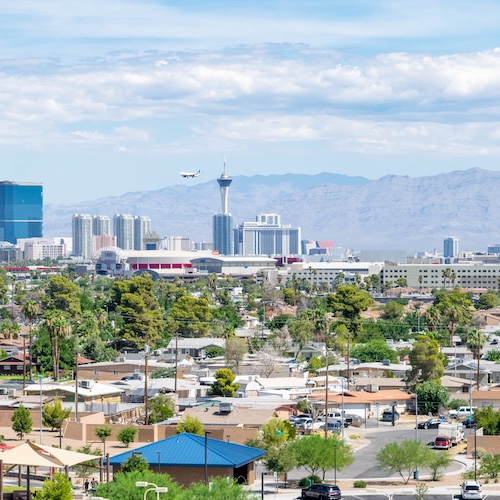
Understanding closing costs is an important part of preparing to buy a home. These fees cover the services, paperwork, and final steps needed to complete your purchase. In Nevada, both buyers and sellers contribute to these expenses, and the exact amount can vary based on the home, the loan type, and local requirements. Learning what to expect now can help make your closing process smoother and more predictable.
Key takeaways:
- Closing costs in Nevada average about 2.94% of the home’s purchase price for buyers.
- Common buyer expenses include loan origination fees, home inspections, appraisals, and title insurance.
- Sellers typically cover agent commissions (fully negotiable), prorated taxes, title fees, and deed preparation.
- Many closing fees — like lender charges, title services, and some third-party items — can be compared or negotiated to help lower your total costs.
How much are closing costs in Nevada?
With the median home sale price around $469,800, a buyer in Nevada can expect to pay roughly $13,752 in closing costs, or about 2.94% of the home’s purchase price. These expenses typically include lender fees, appraisal costs, title insurance, escrow services, and taxes — items that buyers and sellers both contribute to at the end of the transaction.
Closing costs also vary by region within Nevada. Buyers in Las Vegas may see different title fees and recording costs compared to those in Reno, Henderson, or Carson City, due to differences in local service providers and municipal fee structures. These location shifts — along with lender charges, loan type, and taxes — affect your total cash to close.
To see how a home’s value influences your closing fees, you can explore Rocket Mortgage’s home value guide for insight into how property values are determined.
See what you qualify for
What affects closing costs in Nevada?
Several factors influence how much you’ll pay in closing costs across the state:
- Property location: Taxes, insurance rates, and recording fees vary by county and region.
- Home price: Many fees are tied to the sale price, so higher-priced homes come with higher closing costs.
- Loan type and down payment: FHA, VA, and conventional loans each have different fee and insurance requirements.
- Title and escrow services: Costs differ by provider and the complexity of the title search.
- Taxes and recording fees: Nevada’s recording and transfer charges vary depending on the municipality.
- Insurance and prepaid items: Includes homeowners insurance, prepaid interest, and escrowed property taxes.
Understanding these elements can help Nevada buyers estimate their total closing costs with greater clarity.
Take the first step toward the right mortgage
Apply online for expert recommendations with real interest rates and payments
Are closing costs in Nevada above average?
Nationally, closing costs typically range from about 0.4% to 3% of a home’s purchase price. Based on the Lodestar’s average national sales price of $438,236, typical national closing costs can fall between roughly $1,750 and $13,150. In dollar terms, Nevada buyers pay around $13,752 on a median-priced home. Nevada’s closing costs may be this high in part because the state does not have traditional property transfer taxes in most counties, and title fees vary depending on the region.
Compared with nearby Western states, Nevada falls in the lower-to-middle range. Arizona averages around 2.99%, landing slightly below Nevada’s typical costs, while California’s average of 2.07% trends even lower due to differences in transfer taxes, insurance costs, and regional fee structures.
To learn more about the final steps of the homebuying process, explore closing on a house and review how transfer taxes may play a role depending on your location.
What do Nevada’s closing costs include?
Closing costs in Nevada include the various fees and services required to finalize a home purchase. Some charges are tied to the lender and loan approval process, while others relate to inspections, title research, insurance, and administrative steps needed to transfer ownership. Understanding these costs ahead of time helps buyers plan effectively for closing day.
- Lender-related fees: Application, origination, underwriting, and credit check fees. Some lenders may also charge rate-lock or processing fees.
- Appraisal fees: Required to verify the property’s market value.
- Home and pest inspection fees: Covers inspections for structural, safety, or pest issues, depending on the property.
- Title search and insurance: Ensures a clear ownership record and protects both buyer and lender from future title claims.
- Survey fees: Confirms boundary lines and easements, especially for larger parcels or rural homes.
- Courier and recording fees: Covers delivery and official recording of closing documents with the county.
- Notary fees: Verifies signatures on closing documents.
- Prepaid items: Includes prepaid interest, homeowners insurance, property taxes, and homeowners insurance dues if applicable.
- Private mortgage insurance (PMI): Required for down payments under 20%.
- Attorney fees: Charged when legal review or representation is needed.
- Mortgage discount points: Optional costs paid upfront to lower the mortgage interest rate.
These fees work together to ensure the purchase is legally sound and properly recorded. Reviewing your Loan Estimate and Closing Disclosure will outline exactly what you’re paying for and how the total is calculated.
Find the best mortgage option for you
Apply online for expert recommendations and to see what you qualify for
Who pays closing costs in Nevada?
Both buyers and sellers in Nevada pay specific closing costs. While each party has typical responsibilities, many items can be negotiated depending on the market and terms of the agreement.
Closing costs for buyers
Buyers in Nevada typically pay the majority of lender-related and property-related fees. These costs support the mortgage approval process and ensure the property is properly valued, insured, and legally recorded. Common buyer closing costs in Nevada include:
- Loan application and origination fees
- Home appraisal and inspections
- Title search and lender’s title insurance
- Prepaid expenses
- Recording and notary fees
- Attorney fees (if used)
- Mortgage discount points
These costs help protect both the buyer and lender throughout the transaction. Planning ahead can make the process smoother and help buyers anticipate their total upfront expenses. For more guidance on preparing for up-front home buying expenses, check out first-time home buyer expenses to save for.
Closing costs for sellers
Sellers in Nevada also cover several closing-related expenses. Although some overlap with buyer costs, the largest seller expense is often the real estate agent commission (which is fully negotiable), along with prorated taxes and required documentation fees. Common seller closing costs in Nevada include:
- Real estate agent commissions
- Owner’s title insurance and title-related fees
- Prorated property taxes and HOA fees
- Deed preparation and recording fees
- Attorney fees (if used)
- Outstanding mortgages and liens
- Seller concessions
How to reduce your closing costs in Nevada
Some closing costs in Nevada — like title insurance, recording fees, property taxes, and prepaid interest — are fixed, but many others can be reduced with proactive planning. Buyers who compare options early can often save a significant amount before reaching the closing table.
- Research home buyer assistance programs: Nevada offers several programs that help reduce upfront costs for eligible buyers. Nevada Housing Division programs such as Home Is Possible (HIP), Home Is Possible for First-Time Homebuyers, and Home Is Possible for Heroes offer grants or down payment assistance that can also help offset closing costs. USDA Rural Development loans may also be available in qualifying areas and can reduce or eliminate down payment requirements.
- Shop around for a lender: Mortgage lenders differ in their origination, underwriting, and processing fees. Comparing multiple loan offers can help you find a lender with lower overall costs. Learn more about how to choose a mortgage lender to get the best deal.
- Negotiate seller concessions: Depending on the market, sellers may be willing to offer a closing credit to help offset some of your expenses. Negotiating seller concessions can reduce how much cash you need at closing.
- Consider a no-closing-cost mortgage: Some lenders offer a no-closing-cost option that bundles the fees into the loan amount or increases the interest rate slightly, reducing the upfront burden.
Even though some expenses can’t be changed, taking time to understand which closing costs are negotiable can help you identify areas where you can save.
FAQ on closing costs in Nevada
Does Nevada require paying for a real estate attorney?
No, Nevada does not require buyers or sellers to hire a real estate attorney during a home purchase. Real estate agents, escrow officers, and title companies typically manage the contracts and legal paperwork. Some buyers and sellers still choose to hire an attorney for added clarity or protection during more complex transactions. Learn more about when hiring a real estate attorney may be helpful.
When do Nevada buyers find out their closing costs?
Buyers in Nevada receive a Loan Estimate within three business days of applying for a mortgage. This outlines estimated fees and taxes. Then, at least three days before closing, buyers receive a Closing Disclosure listing the final costs. Reviewing both helps ensure accuracy and prevents surprises.
When and how will I pay my Nevada closing costs?
Nevada closing costs are usually paid at settlement when the home officially transfers. Buyers typically pay by cashier’s check or wire transfer to the title or escrow company. Your Closing Disclosure will outline the exact amount due and instructions for payment. Learn more about what to expect when closing on a house.
How can I save up for Nevada’s closing costs?
Closing costs in Nevada average about 2.94% of the home’s purchase price. Buyers can prepare by saving a portion of each paycheck, using bonuses or tax refunds, or setting up automatic transfers into a dedicated savings account. Nevada Housing Division programs—such as Home Is Possible—may also offer down payment or closing cost assistance. For more saving strategies, explore how to save for a house.
Are Nevada’s closing costs deductible on my taxes?
Most closing costs in Nevada aren’t tax deductible, including fees such as appraisal, title insurance, and recording charges. However, mortgage interest paid upfront at closing and prorated property taxes may qualify for deductions in the year you purchase your home. Homeowners who itemize may also be able to deduct ongoing mortgage interest and property taxes. Learn more in are closing costs tax deductible and tax deductions for homeowners, or refer to IRS Publication 530 and Tax Benefits for Homeowners.
The bottom line: Prepare your finances for Nevada closing costs
Closing costs in Nevada generally average about 2.94% of the home’s purchase price, covering lender fees, appraisal and inspection costs, title services, taxes, and recording fees. Both buyers and sellers share these expenses, but the exact amount depends on the location, the mortgage program, and any negotiated concessions. Knowing which fees are fixed and which ones you can potentially reduce can help you plan ahead and avoid surprises. If you’re preparing to buy a home in Nevada, now is the perfect time to get preapproved and begin your mortgage application process.

Holly Hooper
Holly Hooper is a content marketing specialist at Redfin dedicated to making the home-buying and selling process easier to understand. She specializes in turning complex real estate concepts into clear, accessible guides that help readers feel supported at every step. As a military spouse who moves every few years, Holly has lived through countless transitions and brings a unique perspective on relocation, finding community, and learning new markets quickly. She’s passionate about creating content that meets people where they are—whether they’re first-time buyers, relocating families, or anyone navigating a big move.
Related Resources

6-minute read
How to get rid of PMI
Learn how to get rid of PMI, when cancellation is allowed, and how refinancing or reappraisal may help reduce your monthly mortgage payment. Start here today.
Read more

6-minute read
Property lines: What they are and how to find yours
Property lines show where your land begins and ends. Learn how to find yours with deeds, plat maps, GIS tools, or a land survey before you build or buy.
Read more
8-minute read
How many home equity loans can I have?
While it's rare to have more than one home equity loan, nothing prevents you from having as many as you can qualify for. Learn when and how you can do this.<...
Read more