Average closing costs in New Jersey
Contributed by Tom McLean
Jan 19, 2026
•6-minute read

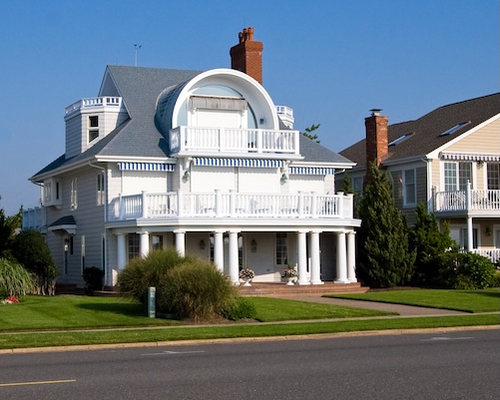
You can do a lot to prepare to buy a home in the Garden State, but exactly how much are closing costs in New Jersey? Read on to learn more about the closing costs you need to pay when buying a home in New Jersey, and how much you expect to pay.
Key Takeaways:
- New Jersey closing costs are higher than the national average. Buyers typically pay about $5,410 in closing costs when recording fees and taxes are included, reflecting the state’s higher home prices.
- Costs vary widely based on location and transaction details. Home price, loan amount, lender fees, taxes and local recording charges can all significantly affect your final cash-to-close.
- There are ways to manage and reduce upfront costs. Options like negotiating seller concessions, exploring state assistance programs or using lender credits can help lower the amount you need to pay at closing.
How much are closing costs in New Jersey?
Average closing costs in New Jersey when buying a home are $5,410 with recording fees and taxes, according to 2025 data from LodeStar Software Solutions.
Comparing closing costs without recording fees and taxes, New Jersey's average closing costs are $3,623.
Closing costs can vary significantly depending on location, home price, and other factors. Home prices, your down payment, and mortgage rates in New Jersey all have an effect how much you'll pay for a home.
For example, Redfin reports that homes in the following New Jersey areas have the following median costs:
- Summit: $1,600,000
- Montclair: $1,501,000
- Westfield: $1,300,000
- Chatham: $1,210,000
- Basking Ridge: $1,150,000
- Blackwells Mills: $1,002,500
- Fanwood: $799,000
- Bayonne: $700,000
- Strathmore: $662,500
- Mystic Island: $632,500
- Boonton: $615,000
- Paterson: $615,000
- Newark: $575,000
- Flanders: $559,000
- Haddon Heights: $510,000
- Freehold: $500,000
- Hackensack: $380,000
- Vineland: $290,000
- Millville: $237,500
- Trenton: $215,000
Knowing the area median home values can help you budget for a house and calculate the closing costs and loan fees you’ll pay for a home in the Garden State.
Are New Jersey’s closing costs above average?
With recording and taxes, the $5,410 average for closing costs in New Jersey is 16% more than the national average of $4,611. Without recording and taxes, New Jersey's average closing costs are 3% more than the national average of $3,513.
The median home price in New Jersey in 2025 was $587,816, according to LodeStar. That's significantly higher than the national median sale price of $438,236.
The average closing cost percentage in New Jersey is about 0.92% of the home’s sale price, including recording fees and taxes, which is lower than the national average of 1.06%. Without recording and taxes, the national average is 0.86%.
New Jersey’s average closing costs aren’t the highest on the East Coast, however. For example, closing on a house in New York averages $13,738 in closing costs, with recording and taxes, while in the nearby state of Delaware, closing costs average $12,157. Washington, D.C., is the most expensive on the eastern seaboard, with closing costs of $17,545.
See what you qualify for
What do New Jersey’s closing costs include?
Here are some typical closing costs and their explanations.
- Lender fees: Lender fees include an application fee, a one-time charge to cover administrative costs; a credit check, a charge to verify your credit; and an origination fee, a one-time cost to cover loan processing expenses, such as application review and document preparation.
- Appraisal fee: A home appraisal determines a property's value by comparing it to similar homes in the area and through an appraiser's walk-through of the home.
- Home inspection fee: The home inspection fee is paid to a certified inspector who examines the home and provides a detailed report on its condition. The inspection will show if the home needs significant repairs.
- Courier fees: Courier fees are the fees your lender charges to send your documents to the necessary parties.
- Recording fees: Recording fees are the charges imposed by state and local governments to register property transfers and ownership. These make the deed official and add it to the public record.
- Notary fees: Notary fees cover notary costs. A real estate notary ensures all documents are signed correctly during the closing process.
- Title search and insurance fees: A property title search verifies who holds title to the property. Title insurance provides protection if someone sues due to a claim against the home, such as a previous owner's failure to pay taxes or contractors who were not paid by a previous owner.
- Prepaid expenses: Closing costs can also include prepaid options, such as property taxes, homeowners insurance, and homeowners association fees. HOA fees may be prorated depending on the time of the year.
- Transfer taxes: A transfer tax is a one-time charge imposed by a state, county, or municipality when a property title or deed is transferred from one party to another. It's sometimes referred to as a deed, stamp, documentary transfer, mortgage registration, or recordation tax.
- Survey fees: Survey fees cover land surveys, which outline the shape and boundaries of a property. For example, it might measure and record elevation levels and angles on a piece of land.
- Attorney fees: These involve paying for any necessary legal services during the closing process. You do not need to hire a real estate attorney in New Jersey, but you might find it advantageous to do so.
- Mortgage points: You can buy mortgage points, also known as discount points, when you close on your loan. Points allow you to pay some of the interest on your loan up front in exchange for a lower interest rate.
- Real estate agent commissions: Commissions or real estate agent fees are paid to your real estate agent or REALTOR® for their services. The agent will charge you depending on what you’re having them do in the process and their fee structure.
Keep in mind that the seller may also agree to pay for some items to help the buyer with the real estate transaction, also called seller concessions.
Take the first step toward the right mortgage
Apply online for expert recommendations with real interest rates and payments
Who pays closing costs in New Jersey?
Both buyers and sellers are responsible for certain closing costs.
Closing costs for buyers
Buyers usually pay more closing costs than sellers, typically including:
- Loan application and origination fees
- Credit check fees
- Underwriting fees
- Rate lock fees
- Home appraisal fee
- Home inspection fee
- Title fees
- Prepaid expenses
- Recording fees
- Mortgage points
Closing costs for sellers
Sellers have their own closing costs, including:
- Real estate agent commissions
- Transfer tax. In New Jersey, a tier-based mansion tax applies to properties valued at more than $1 million. It changed from the buyer’s to the seller’s responsibility in July 2025.
- Prorated property taxes and HOA fees
- Title fees
- Recording fees
- Outstanding mortgages and liens
- Seller concessions
You can get more information about closing costs for sellers from your real estate agent, who can inform you of more details about the exact costs.
How to reduce your closing costs in New Jersey
Are closing costs negotiable? It’s natural to want to reduce your closing costs, and it's possible to do so. However, it's important to remember that some closing costs aren't negotiable while others are.
As a buyer, you can explore New Jersey’s closing cost assistance programs, shop around for a lender with lower closing costs, and negotiate seller concessions. Some lenders offer no-closing-cost mortgages, which allow you to roll your closing costs into the loan amount. This saves you money up front, but likely will cost you more in overall interest.
FAQ
Still curious about closing costs in New Jersey? Read on for more information.
Do I need to hire a real estate attorney in New Jersey?
New Jersey doesn't mandate that buyers or sellers hire a real estate attorney, although it can be helpful for obtaining legal advice and assistance with key documents.
How can I save up for New Jersey closing costs?
The age-old question of how much money you need to buy a house: It's a good one! However, closing costs don't have to be daunting if you gradually accumulate savings. You can budget for the estimated amount, reduce your other expenses, regularly make contributions to a savings account, or redirect any unexpected cash toward a savings or money market account that holds your closing cost fund. Use the home affordability calculator from Rocket Mortgage® to learn more.
When do New Jersey buyers receive their closing cost estimate?
You'll receive a Loan Estimate within 3 business days of submitting your mortgage application. You will receive the Closing Disclosure at least 3 business days before closing with a final tally of your closing costs.
When and how do I pay my New Jersey closing costs?
How long does it take to close on a home, and when do you provide your cash to close? You'll typically pay closing costs at closing, which is usually 30 to 60 days after signing a purchase and sale agreement with the seller and applying for a mortgage. You can pay for closing costs via cashier’s check, certified check, or wire transfer.
The bottom line: Prepare your finances for New Jersey closing costs
The closing process for a real estate transaction has a lot to do with the median home price in New Jersey. Become familiar with the amount and types of closing costs you’ll likely pay in New Jersey and start planning how you’ll save up for the expense. Saving just a little bit of money over time can build quickly.
Ready to buy a New Jersey home? Submit your application today with Rocket Mortgage.

Melissa Brock
Melissa Brock is a freelance writer and editor who writes about higher education, trading, investing, personal finance, cryptocurrency, mortgages and insurance. Melissa also writes SEO-driven blog copy for independent educational consultants and runs her website, College Money Tips, to help families navigate the college journey. She spent 12 years in the admission office at her alma mater.
Related Resources

10-minute read
What are closing costs and how much will you pay?
Closing costs can add thousands to your home purchase. Learn what’s included, who pays, and how to estimate your costs before you buy.
Read more

7-minute read
Are closing costs negotiable?
Are closing costs negotiable? Some are, some aren't. Learn which closing costs you can get reduced or waived, and which ones you must pay when buying a home.
Read more

7-minute read
The costs of buying a house that first-time home buyers should prepare for
There are many ongoing and up-front costs associated wit...
Read more