What is a resale house? Defined and explained
Contributed by Karen Idelson
Updated Nov 26, 2025
•5-minute read

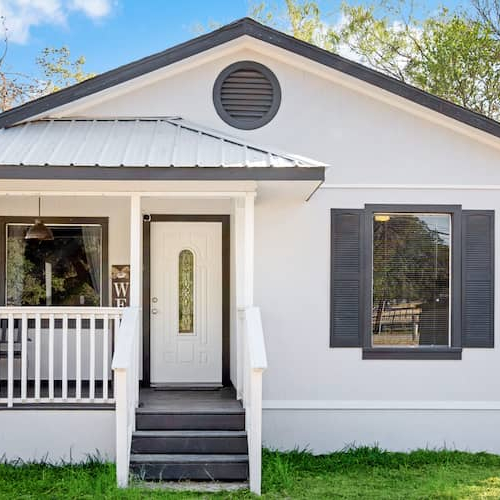
When you’re in the market to buy a home, you can either work with a builder to buy one that is newly built or buy one that someone has already lived in.
Resale homes are far more common than new construction, with resale homes making up more than 85% of home sales in the United States. Resale homes have many advantages, such as being in desirable locations and often being less expensive than new construction, but there are downsides, such as outdated layouts and poor maintenance, to keep in mind.
We’ll break down what you need to know about resale homes and how to decide if one is right for you.
Key Takeaways:
- A resale house has been owned and lived in before. Unlike new construction, resale homes are previously occupied properties that typically show some wear but are widely available across established neighborhoods.
- Resale homes often cost less and offer negotiation flexibility. They’re usually more affordable than new builds and may give buyers more room to negotiate price or repairs, especially when sellers are motivated.
- Lower prices can come with higher maintenance needs. While resale houses may offer character and location advantages, they can require updates, repairs, or renovations that buyers should budget for upfront.
What does resale mean in real estate?
In the world of real estate, resale means buying a property that was previously purchased and occupied. By contrast, a new construction home is one that was just built and that has not yet been lived in.
In general, resale homes are older than new construction and usually have signs of wear and tear related to having been lived in before. You can find resale properties listed on the Multiple Listing Service (MLS), which lists any home that has been bought and sold before.
There are some good reasons to consider buying or investing in a resale home. For one, resale homes are often cheaper than new builds. They are also often in well-established neighborhoods or areas considered among the best places to invest in real estate.
See what you qualify for
Resale home vs. new build: What are the differences?
Resale homes are ones that have been owned and lived in by someone else. New-build homes are recently constructed and have not yet been lived in. They are either almost complete and customizable or newly constructed and move-in ready.
That makes new construction properties appealing to some people because they can have input on what the home will look like and what features it will have. New homes may also have newer amenities and designs. They also won’t have the wear and tear or maintenance of a resale home.
Resale homes, because they are older, will typically not have the most up-to-date features and floor plans. They will also likely have some more maintenance needs because the materials used are older and have had time to wear down. However, the locations of resale homes are often more desirable.
If this is your first time considering homeownership, you may wonder how to buy a house and whether a resale home or new construction home is right for you. You may want to consider things like your budget, desire for customization, maintenance expectations, and what location you want to live in.
Take the first step toward the right mortgage
Apply online for expert recommendations with real interest rates and payments
The pros and cons of a resale house
If you’re in the market to buy a home, consider both the pros and cons of resale properties.
Pros
There are a few good reasons to consider resale homes.
Opportunity for renovations
One benefit of resale homes is that they are usually less expensive than new construction properties. While they could lack some modern amenities and features, their lower price could leave you with extra cash that you can use for other purposes, such as renovating or remodeling. You could use the savings to make changes to the home, adding features you want.
Could cost less
Older homes have dated layouts, may lack features, and are often smaller than new homes. The materials in them have also aged and may need repairs or replacement. All of those factors make resale homes cheaper than new ones, which can be a plus for the budget-conscious.
More room for negotiation
When you’re buying a new construction home, negotiating with the seller can be difficult. You may be able to ask for some concessions, but sellers are usually real estate developers who are not as motivated to sell as an individual.
On the other hand, resale homes are sometimes sold by individuals who may have an incentive to sell quickly. That can give you more power to negotiate.
For example, if you see a home listed for $500,000, you might be able to offer $480,000 if the market in your area is weak. The seller could accept the offer if they have a reason to sell quickly. You may also be able to negotiate a lower price if the home has issues that will cost money to fix.
Cons
Resale homes aren’t right for everyone, so keep these drawbacks in mind.
Maintenance issues could be costly
The materials in older homes are older and more worn than those in newer properties. Things like roofs, flooring, and more all need regular maintenance, repair, and replacement, so you may face higher repair costs if you buy a resale home.
For example, a roof replacement can cost as much as $15,000 or more. With a new home, you can be confident you won’t have to replace the roof for a while, but resale homes may have roofs in need of repair.
If you’re thinking about buying a fixer-upper, make sure to account for the cost of repairs and renovations along with the purchase price when comparison shopping.
Less functional layout
Design trends and floor plans change with the times. Older homes can feel outdated compared to modern ones, with issues like smaller rooms and narrow hallways or a lack of space for modern appliances.
Could come with safety hazards
Older homes could also come with safety hazards that you need to keep in mind. For example, many older homes could have lead paint, which can be a risk for children. They may also have mold, termites, or other pests.
Before buying a home, hire a home inspector to examine the property for you. The inspector can point out potential issues with the property, which gives you a chance to negotiate with the seller to conduct repairs or reduce the home’s price.
Is a resale house right for you?
Resale homes make up a vast majority of the home market, so they’re clearly a solid choice for many people.
They have many benefits, including desirable locations, lower costs, and unique character. However, they may lack all of the modern amenities of new construction.
When it comes to choosing an old house or a new house, what it comes down to is your budget and your personal preferences. You may like the idea of living in an older home that you find charming for its unique features. If that’s the case, a resale home might make sense for you.
On the other hand, people with higher budgets who want to live in homes with modern designs and features should consider new construction.
The bottom line: A resale house may offer affordable homeownership
Resale homes make up the majority of the home market and tend to be less expensive than new construction. If prefer a home with character over the idea of a new home with modern features, or simply want a home that costs a bit less than a new construction property, consider buying a resale house.
If you’re ready to start the homebuying process, you can contact Rocket Mortgage® to find out what you qualify for.

TJ Porter
TJ Porter has ten years of experience as a personal finance writer covering investing, banking, credit, and more.
TJ's interest in personal finance began as he looked for ways to stretch his own dollars through deals or reward points. In all of his writing, TJ aims to provide easy to understand and actionable content that can help readers make financial choices that work for them.
When he's not writing about finance, TJ enjoys games (of the video and board variety), cooking and reading.
Related resources

9-minute read
What does FSBO mean in real estate?
FSBO homes are sold by the owner instead of a listing agent. Here’s what buyers should know about the process, pros, cons, and next steps.
Read more
9-minute read
Selling a house as is: What to know
Learn what it means to sell your house as is, the pros and cons, and how to attract serious buyers without making costly repairs.
Read more
11-minute read
Building vs. buying a home: Which is cheaper?
In the market for a new home? The costs of building vs. buying depend on your market, building supplies, and more. Learn how to compare new vs. existing homes.
Read more