Can you build a barndominium with a USDA loan?
Contributed by Karen Idelson
Dec 8, 2025
•10-minute read

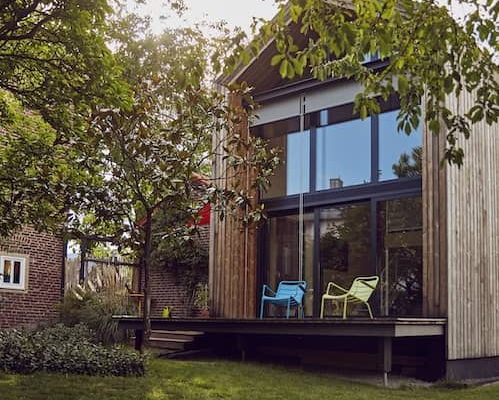
A barndominium, or “barndo” for short, is a modern type of home that blends barn-inspired design with the strength of steel or prefabricated construction. Thanks to their durability, affordability, and open layouts, barndominiums have become increasingly popular among homeowners—especially in rural areas seeking nontraditional housing options.
Getting approved for a barndominium loan can be a little challenging, mainly because many lenders don’t finance this type of home. If you’re eligible, though, a USDA loan may be a practical financing solution for your new home. It can cover both land and construction costs, offers flexible credit options, and doesn’t require a down payment.
So, can you use a USDA loan for a barndominium? Yes—but it comes with specific property and eligibility guidelines. Understanding them ahead of time can help you stay prepared and avoid delays.
Rocket Mortgage® doesn’t offer U.S. Department of Agriculture (USDA) loans currently, but we’re here to help you consider your options.
Key takeaways:
- USDA loans can be used to buy a barndominium: A barndominium may qualify for USDA financing if it meets program requirements and is used as the borrower’s primary residence.
- Location and property eligibility are critical: The home must be located in a USDA‑eligible rural area and meet minimum property standards for safety, livability and structural integrity.
- Design and comparability can affect approval: Barndominiums that closely resemble traditional residential homes, are permanently affixed to land and have comparable nearby properties are more likely to qualify for USDA loans.
What is a barndominium?
A barndominium may be built with a wood frame or a steel frame and often has an open floor plan built for creativity and comfort. It’s a flexible space that lets you design your home around the way you live. Since most of the structure’s weight is supported by the exterior walls, you have plenty of freedom to customize the interior however you like.
Originally, barns were simply converted into homes. Today, many barndos are built from the ground up using prefabricated materials, offering a practical yet creative path to homeownership that fits your lifestyle.
Whether you want extra space for work or storage or prefer a wide-open living area, a barndo gives you the freedom to create a home that reflects your lifestyle, budget, and even your individuality.
See what you qualify for
A review of how USDA loans work
Since barndos don’t always fit the traditional housing mold, finding the right financing can take a little extra research. One option worth exploring is a USDA loan.
USDA loans are government-backed mortgages insured by the United States Department of Agriculture. These loans were created to open the door to homeownership for rural buyers who may have limited income or savings.
If you’re thinking about applying, here are the main boxes you’ll need to check first:
- U.S. citizenship or eligible residency status.
- Income that fits within USDA’s area limits, which is usually 115% of the median household income in your area.
- Plans to make your barndominium your full-time home.
- Choose a property located in a USDA-eligible rural area.
Here’s a closer look at some of the benefits of using a USDA loan:
- Flexible credit requirements: The USDA doesn’t have a set minimum credit score requirement. However, most lenders prefer you to have a score of 640 or higher. But even if you don’t meet this requirement, it’s still possible to qualify with a lower score as long as other parts of your application, like a steady income, show that you’re financially stable and responsible, depending on your lender’s requirements.
- Zero down payment: One of the most appealing aspects of USDA loans is that they allow you to buy a home without putting anything down. In other words, you can finance the entire cost of your home without having to save for a large down payment if you meet your lender’s criteria.
- Lower fees: USDA loans include a 1% upfront funding fee and a 0.35% annual fee, which are usually lower than FHA mortgage insurance premiums and conventional loans that may require private mortgage insurance (PMI).
- Competitive interest rates: USDA loans typically offer interest rates that are on par with (or sometimes even lower than) conventional loans. With government support reducing lender risk, borrowers often benefit from more budget-friendly interest rates.
Take the first step toward the right mortgage
Apply online for expert recommendations with real interest rates and payments
Using a USDA loan to buy a barndominium
A USDA loan can help you buy a variety of single-family homes, including new builds and, in some cases, barndominiums. To qualify, your property needs to meet certain safety, location, and livability standards set by the U.S. Department of Agriculture.
Here are some of the things a barndominium needs to qualify:
- Permanent, HUD-compliant foundation: The USDA requires your barndo to have a strong, HUD-approved foundation that’s securely attached to the land and built to last.
- Eligible zip code: The property must be in a USDA-approved rural area, which you can check using the USDA’s online eligibility map.
- Safe to live in: Your barndo should have working utilities and not have any major issues like leaks, rot, or electrical problems.
- Durable roofing: The roof of the barndominium should be able to withstand severe weather and prevent water from entering the home.
- Proper drainage: The ground around your barndo must slope away from the home so that the water properly drains and doesn’t pool around the foundation.
- Sanitary conditions: All approved properties need to be clean, safe, and free from health hazards like mold, pests, or other potential risks.
- Local building codes: Your barndominium must follow and meet local and state safety and construction codes.
- Proper insulation and ventilation: The home must have good insulation and ventilation so the home doesn’t experience moisture buildup.
- Functional waste system: The barndo must have a functional septic or sewer system that is up to par with health requirements.
Get approved to buy a home
Apply online for expert recommendations and to find a solution that works best for you
Building a barndominium with a USDA construction loan
If you can’t find a barndominium that feels just right or you want one designed around your lifestyle, building one from the ground up might be your best path forward. A USDA construction loan (also called a single-close loan) lets you take out a loan to pay for both the land and the construction through one mortgage, one application, and one set of closing costs.
Just like a traditional USDA loan, you’ll need to meet the USDA’s borrower and property standards. You’ll also work with a USDA-approved lender who has at least two years of experience with these loans and a licensed, insured builder who understands the USDA’s construction requirements. Throughout the process, your home will go through a few inspections to make sure it meets all safety and quality standards.
While USDA construction loans can make it possible to finance your barndominium build, the process may take a bit more time and coordination than a traditional mortgage. But for eligible rural borrowers, this loan can be a practical way to create a home that’s truly built just for you.
Pros and cons of financing a barndominium with a USDA loan
Every loan type has its benefits and challenges and USDA loans are no different. When you understand both sides, you can choose the path that feels best.
Pros
- No down payment: If you qualify, you can purchase your barndominium with 100% financing. That means you can keep more money on hand for other expenses, like moving costs, furniture, or maybe even some big home projects.
- Affordability: With lower upfront and ongoing costs, USDA loans can make monthly payments more manageable compared to other types of mortgages.
- Flexible credit requirements: Even if your credit score is below 640, you may still qualify for a USDA loan based on your income or payment history.
- Rural focus: Barndominiums tend to fit naturally within USDA-eligible areas, since they’re usually built in small towns or rural communities.
- Competitive rates: Because USDA loans are government-backed, lenders may offer competitive interest rates to qualified borrowers.
Cons
- Longer appraisal times: Since barndominiums are less common, it may take more time to find accurate comparisons.
- Income limits: To qualify, your income must fall within the USDA’s limits, which vary depending on where you live and how many people are in your household.
- Construction and property standards: USDA loans come with specific guidelines for builders, lenders, and homes. While the extra oversight can be helpful at times, the extra steps may also slow down the project.
- Fewer lender options: Not all lenders offer USDA construction loans, so you may need to do a bit more research to find the right fit for your build.
Tips for financing a barndominium with an USDA loan
If a USDA loan seems like a good fit, here are some helpful tips to guide you along the way.
Choose land in eligible areas
To qualify for a USDA loan, your barndominium must be located in an area the USDA defines as rural. You can check whether or not the property qualifies by entering an address or browsing the USDA’s property eligibility map. In most cases, homes in rural or semi-rural areas—such as small or countryside towns—fall within the USDA’s location limits.
Not only do you want to find a property that falls within the USDA’s rural boundaries, but it’s just as important to choose a spot that fits your lifestyle, too. Visiting it in person is one of the best ways to do that. Make it a point to explore what the area has to offer—like local shops, parks, and gathering spots—to see if the community truly feels like home.
Work with a lender experienced in barndominium loans
Barndominums don’t exactly line up with what’s considered a “traditional home design”—and that’s part of what makes them special. So, not every lender may handle their financing. Choosing a lender with experience in USDA loans and barndo-specific requirements can make the process much more efficient and far less stressful.
As you explore your options, take time to compare rates and terms, since they can differ quite a bit from one lender to another. This way, you can find the more competitive rates while finding a lender who is the right fit for your financial goals.
Work with a builder familiar with USDA processes
If you’re planning to build a barndo with a USDA loan, you’ll want to choose a contractor approved by your lender who’s familiar with USDA projects. It may seem like a small detail, but having the right builder by your side can make all the difference in keeping your barndo build on track. This is because these builders are licensed, insured, and know exactly what the USDA requires when building homes.
When looking for a builder, start by asking your lender if they have referrals. Since they’re the ones who approve contractors, they may have some recommendations for trusted builders they’ve worked with before. You can also ask your real estate agent for referrals, especially if they’ve handled USDA builds in the past.
Try gathering a few options so you can compare quotes, reviews, and experience. When exploring your options, remember that some builders have premade or customizable home plans that already meet USDA guidelines. That said, going this route may help streamline the construction project and potentially even save you time down the road.
Prepare for extensive documentation and inspections
Because USDA loans come with a very specific set of requirements, there’s usually extra paperwork and several inspections along the way to your loan approval. From your loan application to closing the process can take a few weeks or even a few months since each stage must meet USDA approval standards.
Some preparation can go a long way. So, doing things like keeping your documents handy and regularly following up with your lender and builder can help you catch small issues before they end up turning into big delays.
Alternative financing if USDA loans doesn’t work
USDA loans can be an affordable way to make your barndo dream a reality. But they're not the only home loan option. Whether you don't meet USDA requirements or just want to see what else is out there, here are a few other loan options worth exploring.
- Federal Housing Administration (FHA) construction loans: FHA loans are also government-backed, but they’re not limited to rural areas like USDA loans. These loans roll the cost of construction and long-term financing into one, making the process a little more straightforward. There are some extra costs to keep in mind. You’ll need a down payment of around 3.5% to 10% (depending on your credit score and lender’s requirements) and will also pay mortgage insurance as part of the loan.
- VA construction loans: For eligible veterans, active-duty service members, and certain surviving spouses, VA construction loans can be a strong choice. These loans cover both the cost of the land and the build, require no down payment, and don’t include private mortgage insurance (PMI), which can help lower your total borrowing costs.
- Conventional loans: Conventional loans don't have government backing, but they can offer more flexibility in how you structure your financing and design your barndo. They typically require a higher down payment—around 20% to avoid PMI—and stronger credit, usually a score of 640 or above.
Find the best mortgage option for you
Apply online for expert recommendations and to see what you qualify for
FAQ
Buying a traditional-style home with a USDA loan can feel like a big undertaking on its own, and adding barndominium to the mix can make the process feel even more complicated and confusing. That’s why we’ve rounded up some of the most common questions (and answers) to help you navigate the process with a little more clarity and ease.
Is it hard to get a mortgage for a barndominium?
Because barndominiums are unique, getting a mortgage may take a little more time, patience, and preparation than a traditional home loan. It’s not necessarily harder to qualify—it’s just a bit more involved. The key is to work with a lender who has experience with this type of home and to understand their criteria before starting the application process. And if you plan to use a USDA loan, make sure your barndo meets USDA standards and pay close attention to each step along the way. In other words, it’s less about difficulty and more about staying organized, patient, and persistent.
Can I buy land and build a barndominium with a USDA loan?
Yes, it's absolutely possible to buy land and build a barndominium with a USDA loan. To qualify, both you (the borrower) and the property must meet the USDA’s income, location, and construction guidelines. Partnering with a USDA-approved lender and builder who is familiar with the process and requirements can make your barndo-building journey feel a lot less overwhelming.
Do barndominiums qualify as a single-family home?
Yes, a barndominium can qualify—if it meets the USDA’s property standards. That means your barndo needs a solid foundation, working utilities, and must serve as your primary residence. Basically, it should be built to last and feel like home for the long haul.
How long does it take to get approved for a USDA construction loan?
The short answer is, it depends on your situation. Factors like the lender you choose, location, and how quickly you complete and submit your final paperwork all play a role in the turnaround time. But, generally speaking, getting approved for a USDA loan can take anywhere from a few weeks to a few months. So, if it ends up taking longer than you expected, it may just be part of the process.
The bottom line: A USDA loan can help you build your dream home
With no down payment and flexible credit requirements, financing your barndo with a USDA loan can be a great option. However, it’s important to consider that the USDA does have some strict property standards that may not work for every barndo construction project.
If you’re ready to see what you qualify for, you can apply for a loan with Rocket Mortgage® today.
Ashley Kilroy
Ashley Kilroy is an experienced financial writer. In addition to being a contributing writer at Rocket Homes, she writes for solo entrepreneurs as well as for Fortune 500 companies. Ashley is a finance graduate of the University of Cincinnati. When she isn’t helping people understand their finances, you may find Ashley cage diving with great whites or on safari in South Africa.
Related resources

7-minute read
Mortgage insurance premium (MIP) vs. private mortgage insurance (PMI): How do they differ?
As you learn more about mortgage insurance, you’re likely to encounter two acronyms: MIP and PMI. We'll break down how they each work and their key dif...
Read more
9-minute read
What is a bridge loan and how does it work?
A bridge loan can allow you to finance a new home before selling your current one. Learn about how bridge loans work and whether you should consider one.
Read more
13-minute read
How to buy a house while selling yours
Learn how to buy a house while selling yours with steps to compare options, coordinate closings, and use contingencies or financing. Start planning today.
Read more