What is a jumbo loan in Tennessee? 2026 jumbo mortgage limits and requirements
Contributed by Sarah Henseler
Feb 17, 2026
•6-minute read

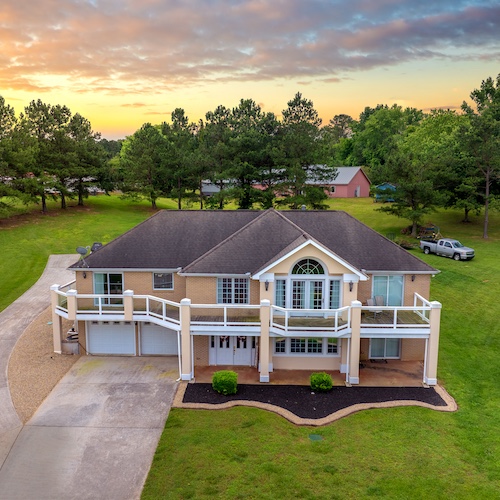
Living in Tennessee offers a mix of vibrant cities, growing suburbs, and communities where home prices increasingly exceed national averages. Continued demand in areas like Williamson County, Brentwood, and parts of the Nashville metro has more buyers encountering jumbo loans – mortgages used when financing goes beyond conforming loan limits.
Below, we’ll break down what a jumbo loan is in Tennessee, how current jumbo loan limits and requirements apply, and how to determine whether this type of mortgage makes sense as you explore higher-priced homes across the state.
What is a jumbo loan in Tennessee?
In Tennessee, a loan is considered a jumbo mortgage when the amount borrowed rises above the annual conforming limits set by the Federal Housing Finance Agency (FHFA). Those limits define the loan sizes eligible for backing by Fannie Mae and Freddie Mac. When a mortgage exceeds that ceiling, it falls outside the conventional loan category and must be financed as a jumbo loan.
Jumbo loans exist to support buyers in markets where home prices rise faster than national averages. In Tennessee, this has become more common as population growth and lifestyle demand push prices higher in certain counties and suburbs. Even homes that aren’t traditionally considered “luxury” can cross conforming limits in competitive areas.
Borrowers who use jumbo loans in Tennessee often include high-earning professionals, dual-income households, self-employed buyers, real estate investors, and eligible military borrowers using VA jumbo loans. These mortgages are commonly used for primary residences, second homes, and investment properties.
While jumbo loans function similarly to conventional mortgages, they typically come with more detailed underwriting. Lenders look more closely at credit history, income stability, and available reserves to ensure borrowers can comfortably manage a larger loan balance. That said, jumbo mortgage rates today are often more competitive than many buyers expect – especially for those with strong financial profiles.
See what you qualify for
Jumbo loan limit in Tennessee (2026)
For 2026, the jumbo loan limits in Tennessee are set at:
- $832,750 in most Tennessee counties
- Up to $ 1,029,250 in designated high-cost counties
Each year, the FHFA updates these loan limits to reflect changes in national home prices. Any mortgage amount that exceeds your county’s conforming limit is considered a jumbo loan.
Tennessee’s housing market has seen steady appreciation in recent years. Nashville-adjacent areas like Brentwood, Forest Hills, and Belle Meade continue to command higher price points with median home sale prices sitting well above the $1,000,000 mark. Strong buyer demand, desirable school districts, and limited housing supply has pushed many home prices higher, causing buyers to take out larger loans to secure their dream homes. In addition, Williamson County has experienced sustained growth as buyers seek proximity to Nashville while prioritizing space and long-term value.
As prices rise in these areas, more buyers find themselves crossing conforming loan thresholds – sometimes unexpectedly. Jumbo loans in Tennessee are no longer limited to luxury estates; they’re increasingly used for move-up homes and competitive suburban properties.
For buyers navigating higher price points, solutions like the Jumbo Smart loan from Rocket Mortgage® can provide expanded borrowing power – up to $3 million – without losing sight of sustainable, long-term financial goals.
2026 FHFA Conforming Loan Limits by County in Tennessee
|
County |
2026 FHFA Limit |
|
Anderson County |
$832,750 |
|
Bedford County |
$832,750 |
|
Benton County |
$832,750 |
|
Bledsoe County |
$832,750 |
|
Blount County |
$832,750 |
|
Bradley County |
$832,750 |
|
Campbell County |
$832,750 |
|
Cannon County |
$1,029,250 |
|
Carroll County |
$832,750 |
|
Carter County |
$832,750 |
|
Cheatham County |
$1,029,250 |
|
Chester County |
$832,750 |
|
Claiborne County |
$832,750 |
|
Clay County |
$832,750 |
|
Cocke County |
$832,750 |
|
Coffee County |
$832,750 |
|
Crockett County |
$832,750 |
|
Cumberland County |
$832,750 |
|
Davidson County |
$1,029,250 |
|
Decatur County |
$832,750 |
|
Dekalb County |
$832,750 |
|
Dickson County |
$1,029,250 |
|
Dyer County |
$832,750 |
|
Fayette County |
$832,750 |
|
Fentress County |
$832,750 |
|
Franklin County |
$832,750 |
|
Gibson County |
$832,750 |
|
Giles County |
$832,750 |
|
Grainger County |
$832,750 |
|
Greene County |
$832,750 |
|
Grundy County |
$832,750 |
|
Hamblen County |
$832,750 |
|
Hamilton County |
$832,750 |
|
Hancock County |
$832,750 |
|
Hardeman County |
$832,750 |
|
Hardin County |
$832,750 |
|
Hawkins County |
$832,750 |
|
Haywood County |
$832,750 |
|
Henderson County |
$832,750 |
|
Henry County |
$832,750 |
|
Hickman County |
$1,029,250 |
|
Houston County |
$832,750 |
|
Humphreys County |
$832,750 |
|
Jackson County |
$832,750 |
|
Jefferson County |
$832,750 |
|
Johnson County |
$832,750 |
|
Knox County |
$832,750 |
|
Lake County |
$832,750 |
|
Lauderdale County |
$832,750 |
|
Lawrence County |
$832,750 |
|
Lewis County |
$832,750 |
|
Lincoln County |
$832,750 |
|
Loudon County |
$832,750 |
|
Macon County |
$1,029,250 |
|
Madison County |
$832,750 |
|
Marion County |
$832,750 |
|
Marshall County |
$832,750 |
|
Maury County |
$1,029,250 |
|
Meigs County |
$832,750 |
|
Monroe County |
$832,750 |
|
Montgomery County |
$832,750 |
|
Moore County |
$832,750 |
|
Morgan County |
$832,750 |
|
Obion County |
$832,750 |
|
Overton County |
$832,750 |
|
Perry County |
$832,750 |
|
Pickett County |
$832,750 |
|
Polk County |
$832,750 |
|
Putnam County |
$832,750 |
|
Rhea County |
$832,750 |
|
Roane County |
$832,750 |
|
Robertson County |
$1,029,250 |
|
Rutherford County |
$1,029,250 |
|
Scott County |
$832,750 |
|
Sequatchie County |
$832,750 |
|
Sevier County |
$832,750 |
|
Shelby County |
$832,750 |
|
Smith County |
$1,029,250 |
|
Stewart County |
$832,750 |
|
Sullivan County |
$832,750 |
|
Sumner County |
$1,029,250 |
|
Tipton County |
$832,750 |
|
Trousdale County |
$1,029,250 |
|
Unicoi County |
$832,750 |
|
Union County |
$832,750 |
|
Van Buren County |
$832,750 |
|
Warren County |
$832,750 |
|
Washington County |
$832,750 |
|
Wayne County |
$832,750 |
|
Weakley County |
$832,750 |
|
White County |
$832,750 |
|
Williamson County |
$1,029,250 |
|
Wilson County |
$1,029,250 |
* Data from FHFA Conforming Loan Limit Map
Take the first step toward the right mortgage
Apply online for expert recommendations with real interest rates and payments
Requirements for a jumbo loan
Because jumbo loans fall outside the guidelines of federally backed mortgages, lenders take a more hands-on approach when reviewing applications. While exact criteria vary by lender, buyers pursuing jumbo loans in Tennessee can expect a consistent set of qualification factors designed to assess long-term financial stability.
Property type
Jumbo loans can be used to finance a wide range of properties, including primary residences, second homes, investment properties, and one-to-four-unit homes. Eligibility and terms may shift based on how the property will be used and its overall complexity.
Credit score
Strong credit plays an important role in jumbo loan approval. Many lenders look for scores in the upper-600s at minimum, while borrowers with credit scores above 720 are more likely to qualify for the most favorable jumbo loan rates that Tennessee lenders offer. A higher score helps offset the risk associated with larger loan balances.
Down payment
Jumbo loans typically require a larger upfront investment than conforming mortgages. Down payments often fall between 10% and 20%, depending on the loan amount, property type, and overall borrower profile. Eligible VA jumbo loans may offer more flexible or even zero-down options for qualifying service members.
Debt-to-income ratio (DTI)
Lenders carefully evaluate how much of your monthly income goes toward debt obligations. While many aim for a DTI of 43% or lower, higher loan amounts may come with tighter limits to ensure payments remain manageable over time.
Income stability
Demonstrating reliable income is essential. Borrowers are usually asked to provide two years of income documentation, such as W-2s, tax returns, or proof of bonuses and commissions. Self-employed applicants often undergo additional review to confirm consistency.
Cash reserves
Most jumbo lenders expect borrowers to maintain a financial cushion, often equal to six to twelve months of mortgage payments. These reserves serve as a safeguard, showing lenders that payments can continue even during unexpected income disruptions.
Pros and cons of buying a home in Tennessee with a jumbo loan
Jumbo financing offers expanded purchasing power, but it also brings a unique set of considerations. Weighing the benefits alongside the potential challenges can help you determine whether this type of loan supports your long-term homeownership plans.
Pros
- Competitive rate potential: Although jumbo loans once carried a noticeable rate premium, today’s jumbo mortgage rates often sit much closer to conforming rates. In some cases, well-qualified borrowers may even secure pricing that rivals or undercuts traditional loan options.
- No PMI on many jumbo programs: Unlike many conventional mortgages, jumbo loans frequently eliminate the need for private mortgage insurance – even when buyers put less than 20% down. Without PMI, monthly payments can remain more predictable and affordable over time.
- Broad loan structure flexibility: Jumbo financing is available in multiple formats, including fixed-rate and adjustable-rate options, and can be used for primary residences, second homes, or investment properties. This variety allows borrowers to choose a structure that aligns with both near-term needs and long-term plans.
Cons
- Stricter approval requirements: Because lenders assume more risk with larger loan balances, jumbo applications typically undergo more detailed review. Credit history, income consistency, and asset documentation are examined closely, which can make the approval process feel more intensive.
- Higher cash requirements at closing: Jumbo loans often require larger down payments and higher closing costs. Preparing for this upfront investment may take additional planning, especially for buyers who want to preserve liquidity for future goals.
- Greater reserve expectations: Most jumbo programs require borrowers to maintain several months of mortgage payments in reserve. While these funds are not spent at closing, keeping them readily available can reduce short-term flexibility and requires careful financial preparation.
Is a jumbo loan right for me?
Choosing jumbo financing goes beyond qualifying on paper. It’s about understanding how a larger mortgage fits into your broader financial life.
- Interest rates: Even small differences in jumbo mortgage rates can have a meaningful impact over time. Because loan balances are larger, a fraction of a percentage point can translate into significant changes in monthly payments and total interest paid over the life of the loan.
- Closing costs: Larger loan amounts often bring higher upfront expenses. Fees tied to underwriting, appraisals, and loan size tend to scale upward, making early budgeting especially important for jumbo buyers.
- Tax implications: Mortgage interest deduction limits may affect higher-balance loans. Depending on your overall financial situation and whether you itemize deductions, jumbo financing can influence your tax strategy in ways that are worth reviewing with a tax professional.
- Lender specifics: Requirements and loan options vary by lender. Comparing programs carefully can reveal meaningful differences in flexibility, qualification standards, and long-term affordability.
- Comfort with responsibility: A jumbo loan should support your lifestyle without limiting flexibility. Beyond approval, it’s important to choose a loan amount that still allows room for savings, investing, and adapting to future life changes.
As you consider whether jumbo financing aligns with your plans, reviewing today’s Tennessee mortgage rates can provide information around what your future payment might look like.
The bottom line: Consider your jumbo loan options as a Tennessee buyer
Tennessee’s housing market continues to evolve, especially in areas where strong demand and limited inventory are driving prices higher. If you’re shopping for Tennessee homes above the jumbo loan limit in 2026, understanding your financing options can help you move forward with greater certainty and avoid surprises during closing. Whether Tennessee appeals to you for its growing cities, quality of life, or long-term investment potential, jumbo financing can help you secure the right home without compromising your broader financial goals.
Starting an application for a Jumbo Smart loan with Rocket Mortgage is a strong next step toward exploring your options and understanding what’s possible in your homebuying journey.
This article is for informational purposes only and is not intended to provide financial, investment, or tax advice. You should consult a qualified financial or tax professional before making decisions regarding your retirement funds or mortgage.
Refinancing may increase finance charges over the life of the loan.
Rocket Mortgage is a VA-approved lender, not endorsed or sponsored by the Dept. of Veterans Affairs or any government agency.

Cam Hayes
Cam is a content strategist on Redfin’s Marketing team with more than five years of experience in the marketing industry. She specializes in creating accessible, trustworthy resources for home buyers and sellers — covering everything from the costs of selling a home to what to expect when working with listing agents.
Related Resources
8-minute read
How to buy a house in Tennessee
Are you considering a move to the Volunteer State? Learn about Tennessee’s current real estate market, the home buying process, and the top cities to live...
Read more
9-minute read
FHA loans in Tennessee
An FHA loan can help you buy a Tennessee home with a low down payment and lenient requirements. Learn more about FHA loans and how much you can borrow.
Read more

12-minute read
Mortgage preapproval: How to get preapproved
Mortgage preapproval helps you set a home budget and strengthen your offer. Learn what you need, how it works and when to apply.
Read more