Delaware jumbo loan limit: 2026 limits and requirements
Contributed by Karen Idelson
Updated Oct 26, 2026
•9-minute read

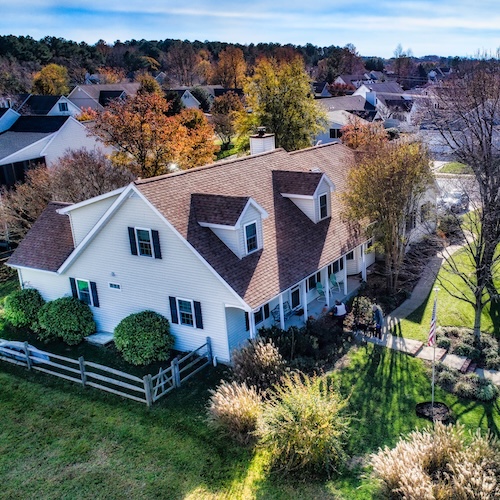
Buying a home in Delaware offers a wide range of possibilities, from historic neighborhoods near Wilmington to coastal communities along the Atlantic. Depending on where you’re looking and the type of home you want, the price may exceed what a standard mortgage can cover. When that happens, a jumbo loan can help you finance a higher-priced home without putting your plans on hold.
If you’re house hunting in Delaware, here’s a clear look at how jumbo loans work, what the 2026 limits are, and what lenders typically expect from borrowers.
Key takeaways:
- If you want to buy a home in Delaware, you’ll likely need to apply for a mortgage to help cover the cost.
- Jumbo loans are one type of mortgage, offering loan limits above the limits set by the Federal Housing Finance Agency (FHFA).
- For 2026, the FHFA limit is $832,750 for a one-unit home, so loans for larger amounts are considered jumbo loans.
What is a jumbo loan?
A jumbo loan is a mortgage that exceeds the conforming loan limits set each year by the Federal Housing Finance Agency (FHFA). For 2026, the baseline conforming limit for a one-unit home is $832,750. Any loan amount above the applicable county limit is considered a jumbo loan.
Delaware does not specify any FHFA-designated high-cost areas, which means the same baseline conforming loan limit applies statewide, regardless of the county or city. If the loan amount goes beyond that $832,750 threshold, it moves into jumbo loan territory.
Jumbo mortgages are commonly used for homes with higher price tags, whether that’s due to location, property features, or recent appreciation.
Unlike loans that conform to FHFA limits, jumbo loans are harder to sell on the secondary mortgage market. That, combined with their higher loan amounts, means greater risk for the lender, which often leads to stricter underwriting and higher interest rates.
See what you qualify for
How to tell if your Delaware mortgage is a jumbo loan
If you’re in the market to get a mortgage to buy a home in Delaware, it’s important to understand whether the loan you plan to apply for will be a conforming loan or a jumbo loan. The distinction can mean a significant difference in interest rate and qualification requirements.
Loan amount vs. purchase price
The primary factor influencing whether a loan is a jumbo loan is the amount that you borrow. For 2026, one-unit homes have a loan maximum of $832,750. Note that this is not the same as the purchase price of the home.
For example, if you want to buy a $900,000 home with 5% down, you’d need to borrow $855,000. That’s over the $832,750 limit, so you’d need a jumbo loan. If you want to buy a $1 million home and make a 20% down payment, you’d only borrow $800,000, meaning you could use a conforming loan.
Delaware county limits
The FHFA sets conforming loan limits at a higher level for certain high-cost areas of the United States. Delaware does not have any counties that are considered to be high cost, so New Castle, Kent, and Sussex counties all share the $832,750 limit for one-unit homes.
Take the first step toward the right mortgage
Apply online for expert recommendations with real interest rates and payments
Jumbo loan limits in Delaware for 2026
For 2026, the limit for a conforming loan for a one-unit property is $832,750. Any loan larger than that is a jumbo loan. However, different property types may have different loan limits.
2026 conforming loan limits by property type
When the FHFA sets loan limits, it can adjust them based on the cost of housing in an area as well as the type of property being purchased. Delaware has no areas that are designated as high cost, so the limits are the same throughout the state.
That means the only factor influencing the loan limit is the number of units of the property you’re buying. The more units, the higher the limit. For 2026, the loan limits are:
- One-unit property: $832,750
- Two-unit property: $1,066,250
- Three-unit property: $1,288,800
- Four-unit property: $1,601,750
Home values in Delaware have increased steadily in recent years, particularly in areas with strong job access or proximity to the coast. As prices rise, more buyers may find themselves crossing the conforming loan threshold. Jumbo loans can help cover the difference when that happens.
Home prices in Delaware have increased more than 7% between January 2025 and January 2026. Prices in some towns such as Wilmington and Middleton continue to rise, while other towns such as Millsboro and Dover have seen prices hold steady or decrease slightly. This means that borrowers in some parts of the state may be more likely to need a jumbo loan of over $832,750 to purchase a home.
Some jumbo programs, including the Rocket Mortgage Jumbo Smart loan, allow higher maximum loan amounts, which may be helpful for buyers purchasing at the upper end of the market.
How to check the FHFA map
Because the FHFA sets different loan limits in areas with more expensive housing, it can be helpful to look up the area where you want to buy a home to see if loan limits differ.
The FHFA offers a conforming loan limit values map that lets you see where limits differ from the national baseline. While Delaware has no counties where the limit is above the national baseline, the map can still be helpful if you want to check to see if that changes or if you’re considering moving to a different state.
Jumbo loan limits in Delaware (2026)
For 2026, the standard conforming loan limit in Delaware starts at $832,750 for a one-unit property. Conforming loan limits also increase for multi-unit properties.
Conforming loan limits in Delaware for 2026:
- One-unit property: $832,750
- Two-unit property: $1,066,250
- Three-unit property: $1,288,800
- Four-unit property: $1,601,750
Home values in Delaware have increased steadily in recent years, particularly in areas with strong job access or proximity to the coast. As prices rise, more buyers may find themselves crossing the conforming loan threshold. Jumbo loans can help cover the difference when that happens. For more information about the limits in your county, review the FHFA conforming loan limit values map.
Home prices in Delaware have increased more than 7% between January 2025 and January 2026. Prices in some towns such as Wilmington and Middleton continue to rise, while other towns such as Millsboro and Dover have seen prices hold steady or decrease slightly. This means that borrowers in some parts of the state may be more likely to need a jumbo loan of over $832,750 to purchase a home.
Some jumbo programs, including the Rocket Mortgage® Jumbo Smart loan, allow higher maximum loan amounts, which may be helpful for buyers purchasing at the upper end of the market.
What is required to qualify for a jumbo loan in Delaware?
Because jumbo loans represent a larger financial commitment, lenders typically apply more detailed review standards. While exact requirements vary by program, these factors often play a role in the approval process.
Steady income
Consistent, well-documented income is an important part of qualifying for a jumbo mortgage. Lenders may review salary, bonus, commission, or self-employment income to confirm stability over time. Additional documentation may be required depending on your situation.
Property type
Jumbo financing can be used for different kinds of properties, including primary residences, second homes, and investment properties. The requirements may change depending on how the home will be used, but borrowers usually have flexibility in choosing the property that fits their goals.
Down payment
Down payments for jumbo loans often fall between 10% and 20% of the home’s purchase price. The exact requirement depends on factors such as loan size, property type, and overall borrower qualifications.
Credit
Lenders place strong emphasis on credit history when evaluating jumbo loan applications. Many programs look for a minimum credit score around 680, though higher scores may be preferred for larger loan amounts. A solid credit profile helps demonstrate long-term financial reliability.
Debt-to-income (DTI) ratio
Most lenders look for a DTI ratio below 43%, including the expected mortgage payment. This guideline helps ensure that your income can support the larger monthly obligation without stretching your budget too thin.
Cash reserves
Jumbo loan programs often require borrowers to have additional cash reserves available after closing. Be prepared with significant reserves, whether they are savings, liquid assets, or other funds. Depending on the loan amount, this could mean having 6 to 18 months of mortgage payments set aside.
For Jumbo Smart Loan borrowers, reserve requirements vary based on the loan amount.
|
Rocket Mortgage Jumbo Smart Loan Cash Reserves Minimum |
|
|
Loan amount |
Cash reserves minimum |
|
$1 million or less |
6 months |
|
$2,000,001 - $2,500,000 |
12 months |
|
$2,500,001 - $3,000,000 |
18 months |
Find the best mortgage option for you
Apply online for expert recommendations and to see what you qualify for
Pros and cons of a Delaware jumbo loan
Before applying for a jumbo loan to buy a home in Delaware, consider the pros and cons.
Pros
Some benefits of jumbo loans include:
- Desirable interest rates: Borrowers with strong financial profiles may find that jumbo mortgage rates are comparable to, or occasionally better than, conforming loan rates.
- No private mortgage insurance (PMI): Many jumbo loans don’t require PMI, even with a down payment below 20%, which can help reduce monthly costs. But be aware that jumbo loans typically involve higher upfront costs overall.
- Flexible loan structures: Jumbo loans are available in fixed-rate and adjustable-rate options and can be used for primary homes, second homes, or investment properties. Some buyers may also qualify for FHA or VA jumbo loans, depending on eligibility.
Cons
Some reasons to avoid jumbo loans include:
- More in-depth financial review: Lenders take a closer look at income, assets, and credit for jumbo loans. Borrowers with recent credit issues or higher debt levels may need additional preparation.
- Higher upfront costs: Because the homes involved are more expensive, down payments and closing costs typically add up to a higher dollar amount, even when percentages are similar to conforming loans.
Is a jumbo loan right for me?
A jumbo loan may be worth considering if the home you want to buy exceeds Delaware’s conforming loan limits. Deciding whether it’s the right fit often means stepping back and looking at your full financial picture, including how jumbo and conventional loans compare.
- Comfort with monthly payments: Choose a payment that feels manageable alongside your other financial priorities. Think about what you can comfortably afford rather than what you qualify for. See how your payment compares with the average mortgage payment in Delaware.
- Interest rates and loan terms: Different rate types and loan lengths can affect your payment over time. As with a conventional mortgage, you can often choose between a fixed-rate or adjustable-rate interest structure. Review the current Delaware mortgage rates to see how these differences might affect your ability to pay it off comfortably.
- Closing costs: Higher loan amounts usually mean higher total closing costs, even if the percentage stays the same.
- Tax considerations: Mortgage interest deductions may change at higher balances. A tax professional can help you understand how a jumbo loan fits into your broader plan.
When a jumbo loan may not be the best fit
There are many situations where a jumbo loan may not be a good fit, such as:
- You’re buying a less expensive home. If the property you want to buy doesn’t require a loan over the conforming limit, there’s no need to get a jumbo loan.
- You don’t have sufficient income. Larger loans mean larger payments. If you don’t have strong income, you might not be able to afford a jumbo loan.
- You can afford a larger down payment. If you can make a large enough down payment to knock your loan below the conforming loan limit, you may benefit from easier underwriting and lower rates.
Other Delaware loan options to consider
If you’re in the market to buy a home but think a jumbo loan isn’t for you, consider these alternatives.
- Conforming loans. Conforming loans are those that fall under FHFA loan limits and require applicants to meet specific underwriting requirements for things like credit score and DTI ratio. They can offer lower rates, making buying a home cheaper in the long run.
- FHA loans. FHA loans are aimed at people with smaller amounts of savings and lower credit scores. You can get an FHA loan with as little as 3.5% down, which may appeal to some homebuyers.
- VA loans. VA loans1 are offered as a benefit for eligible servicemembers, veterans, and their families. Benefits include lower rates and no down payment requirements.
FAQ
Before applying for a jumbo loan, keep these questions in mind.
What is the maximum DTI for a jumbo loan?
Jumbo loans don’t conform to requirements set by outside agencies like the FHFA, so there is no single maximum DTI. However, while it can vary from lender to lender, most prefer DTI ratios under 45% – 50%.
Can I use a jumbo loan for a second home or beach investment property in Delaware?
Yes, you can use a jumbo loan if you want to buy a second home, beach property, or investment property. However, keep in mind that you need to be able to afford the payments on a new mortgage.
Can Delaware borrowers refinance or take cash out with a jumbo loan?
Yes, it is possible to refinance a jumbo mortgage or to use a cash-out refinance to get equity out of your home if you have a jumbo mortgage. Note that refinancing costs money, and it can impact your monthly payment, possibly increasing the overall cost of your loan.
What if my loan is only slightly above the conforming limit?
If your loan is slightly above the conforming limit, it may be worth comparing the jumbo loans you’re offered to conforming loan options and looking for ways to reduce the amount you borrow if the conforming loans are more appealing.
For example, making a larger down payment, finding down payment assistance, or getting a loan to boost your down payment and reduce the loan amount to under conforming loan limits may help you get a cheaper conforming loan.
The bottom line: Delaware jumbo loan limits can shape your home search
Jumbo loans come with higher expectations around credit, income, and reserves, but they also provide access to homes that may otherwise be out of reach. With careful planning and the right loan structure, a jumbo mortgage can be a practical option for buyers navigating Delaware’s housing market.
If you’re ready to explore your options, applying for a Jumbo Smart loan may help you move forward with confidence.
1 Rocket Mortgage is a VA approved lender, not endorsed or sponsored by the Dept. of Veterans Affairs or any government agency.

TJ Porter
TJ Porter has ten years of experience as a personal finance writer covering investing, banking, credit, and more.
TJ's interest in personal finance began as he looked for ways to stretch his own dollars through deals or reward points. In all of his writing, TJ aims to provide easy to understand and actionable content that can help readers make financial choices that work for them.
When he's not writing about finance, TJ enjoys games (of the video and board variety), cooking and reading.
Related resources

3-minute read
Are there jumbo loan limits?
Jumbo loans don’t have set limits. Learn how conforming loan limits in your area affect the type of mortgage you can use to finance your home.
Read more
6-minute read
What is a jumbo loan in Maryland? 2026 jumbo mortgage limits and requirements
Maryland’s 2026 jumbo loan limit is anything over $832,750. See how jumbo mortgages work, when you may need one, and what it takes to qualify.
Read more
9-minute read
Jumbo loan limits and requirements for 2026: A guide
If you need to borrow more than the conforming loan limit, you likely need a jumbo loan. Learn more about the 2026 jumbo loan limits and requirements.
Read more