Average closing costs in South Carolina
Contributed by Sarah Henseler
Feb 23, 2026
•6-minute read

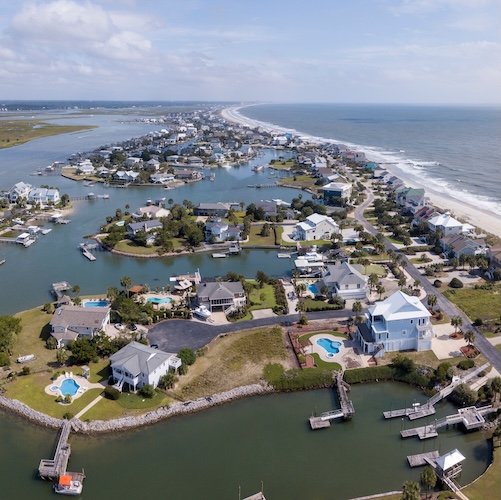
When buying a home in South Carolina, it’s important to consider all upfront costs—including closing costs—so you can plan and save accordingly. These expenses pay for the documentation, inspections, and legal steps needed to complete the transaction. In South Carolina, buyers and sellers share these costs, and the total amount varies depending on the home, loan type, and local requirements.
Key takeaways:
- Closing costs in South Carolina average about 3.52% of the home’s purchase price for buyers.
- Common buyer expenses include loan fees, home inspections, appraisals, and title insurance.
- Seller expenses often include real estate agent commissions, prorated taxes, deed preparation, and title-related fees.
- Many fees—including lender charges, title services, and certain optional costs—may be negotiable or reduced by comparing service providers.
How much are closing costs in South Carolina?
With the median home sale price around $376,900, a buyer in South Carolina can expect to pay roughly $13,479 in closing costs, which equals about 3.52% of the home’s purchase price. These expenses include lender fees, appraisal and inspection costs, title insurance, escrow services, and taxes — charges that buyers and sellers each share as part of the transaction. For more clarity on how home value influences these totals, you can review Rocket Mortgage’s guide to home value.
Closing costs also vary by location across South Carolina. Buyers in Charleston may pay different fees than those purchasing in Columbia, Greenville, or Myrtle Beach due to local tax rates, insurance costs, and recording fees. These differences — along with your lender, loan type, and property details — all factor into your final cash to close.
See what you qualify for
What affects closing costs in South Carolina?
- Property location: Local tax rates, insurance premiums, and recording fees differ by region.
- Home price: Percentage-based fees rise as the home’s cost increases.
- Loan type and down payment: FHA, VA, USDA, and conventional loans all come with different fee structures, which are directly influenced by current mortgage rates in South Carolina.
- Title and escrow fees: Depend on provider rates and the complexity of the title search.
- Taxes and recording fees: Vary by county and municipality.
- Insurance and prepaid items: Includes homeowners insurance, escrow reserves, and prepaid interest.
Understanding how these elements influence your costs gives South Carolina buyers a clearer picture of what to expect and how to plan.
Take the first step toward the right mortgage
Apply online for expert recommendations with real interest rates and payments
Are closing costs in South Carolina above average?
Nationally, closing costs typically range from about 0.4% to 3% of a home’s purchase price. Based on the Lodestar’s average national sales price of $438,236, typical national closing costs can fall between roughly $1,750 and $13,150. With an average buyer cost of 3.52%, South Carolina sits right in above this national range.
Compared with nearby Southeastern states, South Carolina’s closing costs are fairly typical. North Carolina averages around 3.04%, coming in slightly lower, while Georgia (4.34%) and Florida (4.86%) both trend higher due to differences in insurance premiums, title fees, and county-level recording charges.
Overall, South Carolina’s closing costs closely match national expectations, making them predictable for most buyers. To better understand the closing process, explore what happens when closing on a house and learn how transfer taxes may affect your final costs.
Find the best mortgage option for you
Apply online for expert recommendations and to see what you qualify for
Who pays closing costs in South Carolina?
In South Carolina, both buyers and sellers share responsibility for closing costs. While certain fees tend to fall on one party, the exact breakdown can vary depending on negotiations and loan requirements.
Closing costs for buyers
South Carolina buyers typically pay most lender- and property-related costs. These expenses ensure the home is properly inspected, the loan is processed, and ownership can be transferred cleanly. Common buyer closing costs in South Carolina include:
- Loan application and origination fees
- Home appraisal and inspection
- Title search and lender’s title insurance
- Prepaid expenses
- Recording and notary fees
- Attorney fees (if used)
- Mortgage discount points
These costs support the legal and financial steps needed to secure the property. Planning ahead helps buyers budget confidently. Explore more in first-time home buyer expenses to save for.
Closing costs for sellers
Sellers in South Carolina also pay a variety of fees at closing, some shared with buyers, such as recording or title-related charges. The largest seller cost is typically the real estate agent commission, but several additional expenses may apply. Common seller closing costs in South Carolina include:
- Real estate agent commissions
- Owner’s title insurance and title-related fees
- Prorated property taxes and HOA fees
- Deed preparation and recording fees
- Attorney fees (if used)
- Outstanding mortgages and liens
- Seller concessions
How to reduce your closing costs in South Carolina
Some closing costs in South Carolina—such as title insurance, recording fees, property taxes, and prepaid interest—are nonnegotiable, but buyers often have flexibility in other areas. With the right preparation, many buyers can meaningfully reduce their upfront expenses.
- Research home buyer assistance programs: South Carolina offers a variety of programs through SC Housing, including forgivable down payment assistance and low-interest mortgage options that may help offset closing costs. Local cities and counties may also provide grants, and many rural areas qualify for USDA Rural Development loans, which can lower cash-to-close requirements.
- Shop around for a lender: Every lender structures fees differently. Comparing loan estimates can help you find lower origination or underwriting fees. For guidance, review how to choose a mortgage lender.
- Negotiate seller concessions: In some markets, sellers may be willing to offer a credit toward closing costs. Learn more about how concessions work in seller concessions.
- Consider a no-closing-cost mortgage: Some lenders offer financing options that reduce upfront expenses by folding fees into the loan amount or increasing the interest rate. You can explore these options in no-closing-cost mortgage.
Even though certain fees are fixed, understanding which closing costs are negotiable helps South Carolina buyers focus on the areas where savings are possible.
FAQ on closing costs in South Carolina
Does South Carolina require paying for a real estate attorney?
Yes — unlike many states, South Carolina requires a real estate attorney to oversee real estate closings. Attorneys handle the title review, prepare key legal documents, and coordinate the settlement process. Even though closing involves multiple parties, the attorney serves as the central coordinator.
When do South Carolina buyers find out their closing costs?
Buyers receive an early estimate through the lender-issued Loan Estimate within three business days of applying. At least three days before closing, they’ll receive a Closing Disclosure detailing the final amounts. Reviewing these documents helps ensure buyers are fully informed ahead of closing day.
When and how will I pay my South Carolina closing costs?
Buyers typically pay closing costs on closing day when the property transfers ownership. Payments are usually made by cashier’s check or wire transfer to the attorney or settlement office overseeing the transaction. Your Closing Disclosure will outline the amount due. Learn more in what to expect when closing on a house.
How can I save up for South Carolina’s closing costs?
Closing costs in South Carolina average about 3.52% of the home’s purchase price. Saving consistently, setting aside tax refunds or bonuses, or exploring assistance programs through SC Housing can help reduce upfront expenses. For more strategies, visit how to save for a house.
Are South Carolina’s closing costs deductible on my taxes?
Most South Carolina closing costs aren’t tax deductible, including appraisal fees, title insurance, and recording charges. However, buyers may deduct mortgage interest paid upfront and prorated property taxes. Homeowners who itemize can also deduct ongoing mortgage interest and property taxes. Learn more in are closing costs tax deductible and tax deductions for homeowners, or consult IRS Publication 530 and Tax Benefits for Homeowners.
The bottom line: Prepare your finances for South Carolina closing costs
Closing costs in South Carolina typically average around 3.52% of the home’s purchase price, covering lender and title fees, prepaid items, taxes, and county recording expenses. Both buyers and sellers pay specific portions of these costs, though totals can differ based on loan type, local fees, and negotiated terms. Understanding what to expect — and where you may be able to reduce costs — can help you plan with confidence. If you’re ready to buy a home in South Carolina, now’s the time to get preapproved and begin the mortgage process.

Holly Hooper
Holly Hooper is a content marketing specialist at Redfin dedicated to making the home-buying and selling process easier to understand. She specializes in turning complex real estate concepts into clear, accessible guides that help readers feel supported at every step. As a military spouse who moves every few years, Holly has lived through countless transitions and brings a unique perspective on relocation, finding community, and learning new markets quickly. She’s passionate about creating content that meets people where they are—whether they’re first-time buyers, relocating families, or anyone navigating a big move.
Related Resources
9-minute read
How to buy a house in South Carolina
Are you thinking about buying a house in South Carolina? Learn about the local real estate market, popular cities, and how to buy a home in this state.
Read more

12-minute read
Mortgage preapproval: How to get preapproved
Mortgage preapproval helps you set a home budget and strengthen your offer. Learn what you need, how it works and when to apply.
Read more

7-minute read
A guide to moving cross-country
When moving across the country, there are steps you can take to help the process go smoothly. Explore our guide for tips on how to move across the country.
Read more