Average closing costs in Arizona
Contributed by Karen Idelson
Jan 25, 2026
•6-minute read

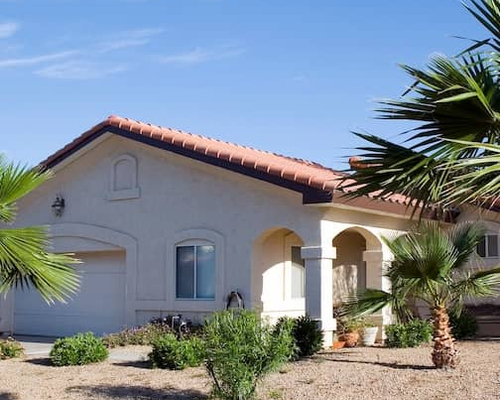
Buying and selling a home in Arizona comes with a lot to think about, including choosing the right property and navigating the financial details that come with closing day. Another key part of planning ahead is understanding your closing costs in Arizona, since they can affect how much you’ll pay upfront on closing day.
Closing costs include the fees and services needed to finalize the home sale, such as lender charges, title and escrow services, and prepaid taxes and insurance. Both buyers and sellers contribute to these expenses, and the total is typically calculated as a percentage of the home’s final sale price.
Let’s break down typical closing costs in Arizona, what they cover, and various ways to save as you move toward homeownership.
How much are closing costs in Arizona?
Closing costs in Arizona typically range from 3% to 6% of the home’s purchase price, and average closing costs are around $13,347.79.
According to current market data, homes in Arizona are selling at a median price of about $448,000 as of November 2025. At that price point, a typical closing cost range comes out to roughly $13,440 to $26,880. Your final cash-to-close amount depends on your loan type and what’s negotiated between the buyer and seller.
Closing costs can also vary by city and home value. For example, in the Phoenix metro area, median prices differ slightly, and so do estimated costs. The latest data from November 2025 shows that homes in Phoenix are currently selling for around $466,000, which puts estimated closing expenses somewhere between $13,980 and $27,960. Information from the same time shows Mesa home prices are around $458,000, meaning buyers and sellers there may see closing costs in the $13,740 to $27,480 range. In Tempe, where sale prices are nearer to $469,000, closing costs could fall between $14,070 and $28,140.
Are closing costs in Arizona above average?
The cost of closing on a house in Arizona generally falls within the typical 3% to 6% range seen nationwide. Based on internal data, the average closing cost before taxes in Arizona is about $13,347.79, while the internal benchmark for the national average shows purchase closing costs closer to $10,385.78. That means Arizona tends to run somewhat higher than the national average in dollar terms, even though the percentage range is similar.
There are a few reasons behind this. Arizona’s median home sale price is higher than the U.S. median home sale price of $433,000. Fast-growing metro areas like Phoenix, Scottsdale, and Tempe may also be somewhat pricier due to competitive markets and higher-priced homes.
Another difference is that Arizona does not impose a statewide real estate transfer tax, which is a cost added to closing costs in many other states. However, buyers and sellers here may still encounter local fees and higher service charges in active markets.
Compared to nearby states, Arizona’s closing costs sit somewhere in the middle. Markets like California and Utah often see higher closing expenses thanks to their median sale prices of $827,800 and $572,800, respectively, while Nevada and New Mexico trend closer to or slightly below Arizona’s range on average.
See what you qualify for
What do Arizona closing costs include?
In Arizona, closing costs cover services needed to transfer the home and finalize the loan. Some costs are paid by buyers, some by sellers, and others can be negotiated as part of your purchase agreement.
Here are common closing costs in Arizona and what they cover:
- Lender-related fees: These are charged by your lender for processing and securing your home loan. This includes application, origination, credit check, underwriting, and mortgage rate lock. You can see current mortgage rates for Arizona here.
- Appraisal fees: The cost of having a home appraisal, which is the process of having a property professionally assessed so the lender can confirm its value.
- Home and pest inspection fees: Home Inspections help identify issues with the home before purchase, such as structural concerns or pest activity.
- Title search and title insurance: A title search confirms legal ownership, and title insurance protects against future claims on the property.
- Survey fees: Sometimes required to confirm property boundaries.
- Courier and document handling fees: Covers the delivery and processing of paperwork during the closing process.
- Recording fees: Charged by the county to officially record the property transfer.
- Notary fees: Applies when signatures must be notarized to finalize the transaction.
- Prepaid items: Up-front payments that cover expenses due shortly after closing. This can be property taxes, homeowners insurance, mortgage interest, and HOA fees.
- Private mortgage insurance (PMI): Applies if your down payment is below 20% on a conventional loan.
- Attorney fees: Paid if legal review or services are needed during closing.
- Rate lock fees: Optional fees that secure your interest rate for a set time.
- Mortgage discount points: Mortgage points are an optional payment made at closing to lower your interest rate.
Take the first step toward the right mortgage
Apply online for expert recommendations with real interest rates and payments
Who pays closing costs in Arizona?
Both buyers and sellers are responsible for certain closing costs. In competitive markets, buyers may offer to cover more closing costs to strengthen their offer. In slower markets, sellers may be more willing to contribute toward buyer costs as an incentive.
Closing costs for buyers
Buyers usually pay lender- and property-related closing costs in Arizona. Here are the most common homebuyer expenses to save for:
- Loan application and origination fees
- Home appraisal and inspection fees
- Title search and lender’s title insurance
- Prepaid expenses
- Recording and notary fees
- Attorney fees (if used)
- Mortgage discount points
Closing costs for sellers
Sellers have unique closing costs, as well as some that are shared with buyers. Here are common closing costs when you’re selling your house, whether or not it still has a mortgage:
- Real estate agent commissions
- Owner’s title insurance and other title-related fees
- Prorated property taxes and HOA fees
- Deed preparation and recording fees
- Attorney fees (if used)
- Outstanding mortgages and liens (including any funds transfer fees)
- Any seller concessions (such as home repairs and warranties)
Find out how much you can afford
Your approval amount will give you an idea of the closing costs you’ll pay
FAQ
Planning for Arizona closing costs can help you financially prepare for buying or selling a home. Here are the most frequently asked questions.
Does Arizona require paying for a real estate attorney?
Arizona is one of the states that does not require buyers or sellers to hire a real estate attorney. However, it can be helpful for getting legal guidance on more complex transactions. If you do choose to hire an attorney, it could add hundreds or thousands of dollars to your closing costs, depending on complexity, location, and other factors.
When do Arizona buyers find out their closing costs?
Buyers receive a Loan Estimate with projected closing costs within three days of submitting their mortgage application, also known as the Good Faith Estimate. The final costs appear on the Closing Disclosure, which borrowers receive within three days of their closing date.
When and how will I pay my Arizona closing costs?
Closing costs are normally paid on closing day, which is typically 30 to 60 days after the accepted home offer. This is the average time to close on a house. Closing costs are often paid via cashier’s check, certified check, or wire transfer.
How can I save up for Arizona closing costs?
To save for Arizona closing costs, consider budgeting the estimated cost, cutting unnecessary expenses, regularly transferring some of each paycheck to a savings account, and redirecting unexpected cash to go toward the closing costs. You can also use Rocket’s Home Affordability Calculator to better estimate how much you need to save for a house.
Are Arizona closing costs deductible on my taxes?
Most Arizona closing costs don’t qualify for a tax deduction. However, there are many tax benefits for homeowners at the federal level, such as prepaid mortgage interest, mortgage points, and property taxes paid at closing. While Arizona doesn’t offer state-specific deductions for closing costs, homeowners may still take advantage of ongoing tax benefits, such as mortgage interest and property tax deductions, if they itemize.
The bottom line: Prepare your finances for Arizona closing costs
Closing costs, which are paid by the buyer and seller, are expenses that cover services like the appraisal, title work, lender fees, and prepaid taxes and insurance. Because costs can vary by lender, loan type, and location, reviewing your Loan Estimate and Closing Disclosure closely can help you avoid any surprises.
Start planning early, explore options like down-payment and closing-cost assistance programs or seller concessions, and compare lenders so you feel prepared when it’s time to close on your Arizona home.
If you’re ready to buy a house in Arizona, you can reach out to Rocket Mortgage® to apply for a mortgage.

Josephine Nesbit
Josephine Nesbit is a full-time freelance writer specializing in real estate, mortgages, and personal finance. Her work has been featured in U.S. News & World Report, GoBankingRates, Homes.com, Fox Business, USA Today Homefront, and other publications where she helps readers navigate the housing market and manage personal finances.
Related resources

10-minute read
What are closing costs and how much will you pay?
Closing costs can add thousands to your home purchase. Learn what’s included, who pays, and how to estimate your costs before you buy.
Read more

7-minute read
Are closing costs negotiable?
Are closing costs negotiable? Some are, some aren't. Learn which closing costs you can get reduced or waived, and which ones you must pay when buying a home.
Read more

10-minute read
What is cash to close?
Learn what cash to close means, what it includes, where to find your final amount, and how to estimate what you’ll owe before closing. Get prepared.
Read more