What is a zombie foreclosure?
Contributed by Sarah Henseler
Updated Jan 18, 2026
•6-minute read

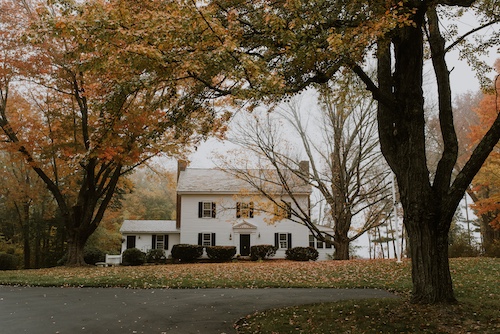
A zombie foreclosure happens when you default on your mortgage, and you move out of your home before the foreclosure is finalized. Your property may appear abandoned, showing visible signs of neglect, such as unkempt yards and deteriorating exteriors. As you might imagine, a zombie foreclosure can create issues for both the homeowner and the community.
We’ll go over the drawbacks of zombie foreclosures so you can do your best to avoid them at all costs.
Zombie foreclosure definition
So what is a zombie foreclosure? In a nutshell, a zombie foreclosure is when you, the homeowner, vacate your property after you receive notice of a mortgage default. You might assume that the foreclosure is finalized.
Here's the thing: Sometimes foreclosure gets canceled or is stalled – and you still legally own the home and are on the house title. In that case, you may not realize that you're still financially responsible for the property.
Why is it called a zombie foreclosure?
Curious why it might be called a "zombie foreclosure?" That's because as the house has been abandoned, it could show signs of dilapidation from neglect and lack of maintenance.
This eyesore creates an issue for the neighborhood and community at large, as it could bring down surrounding property values. For the homeowner, it usually means more required maintenance and repairs.
Zombie foreclosures are a rarity in today's housing market. According to ATTOM, 1,379,785 properties in the country are vacant due to foreclosure. This makes up 1.32% of all homes. This is for the fourth quarter of 2025. Interestingly, this is down slightly from 1.33% from the previous quarter.
See what you qualify for
How do foreclosed properties become zombie homes?
Zombie real estate usually happens because homeowners misunderstand the foreclosure process and end up leaving too early. Foreclosure usually involves a transfer of ownership to the lender.
That said, sometimes the lender decides not to finish the process – or the process might be delayed. The lender might back out to avoid costs like repairs or unpaid taxes.
While you likely received a notice of intent of foreclosure from your lender – which happens during preforeclosure – your lender isn't required to notify you. As a result, if the foreclosure is canceled without your knowledge, you, the homeowner, still legally own the property and are financially responsible for mortgage payments, insurance, taxes, maintenance, repairs, and other housing-related costs.
Take the first step toward the right mortgage
Apply online for expert recommendations with real interest rates and payments
How zombie homes can hurt homeowners and neighborhoods
As mentioned, leaving a house doesn’t get you off the hook for bills or legal responsibilities. Once your home has been abandoned, here are some issues you may still face:
- You may still owe unpaid property taxes, which could result in a tax lien.
- A homeowners association (HOA) could file a lawsuit over unpaid HOA fees.
- You could still receive a bill for maintenance, upkeep, trash removal, and other services.
- You can accrue fines for your property inadvertently violating zoning laws.
Other consequences? This could include a major hit to your credit score and other legal and/or monetary implications.
Zombie homes also hurt neighborhoods where the property is located. For example, abandoned homes can negatively impact surrounding property values in the neighborhood.
Further, vacant, unmaintained properties may attract vandalism and other crimes, which can impact community safety. These issues can drive away potential residents and concern current ones about the neighborhood as a whole.
Per ATTOM, nationwide vacancy rates have been steady for 3 years. However, zombie foreclosures are on the rise in states like Michigan (+51%) and South Carolina (+31%). Despite national trend declines, your area may still be at risk.
Get approved to refinance
See expert-recommended refinance options and customize them to fit your budget
Can you prevent a zombie foreclosure on your home?
The best way to steer clear of a zombie foreclosure is to stay current on mortgage payments. During the mandated waiting period after you receive a foreclosure notice, you can put a halt to foreclosure by paying a large lump sum.
Also, a deed-in-lieu agreement can sometimes prevent foreclosure even after the process has started. This is when you turn ownership of your home over to the lender to avoid foreclosure.
Stay in the house until you've received official notification to vacate. That way, you can maintain communication with the lender. Confirm property ownership status via the county recorder's office or website. You can request real estate records.
Steps to buying a zombie house
Buying foreclosed homes is more common than you might think, thanks to reduced prices and motivated sellers. However, zombie foreclosures might also require additional legal steps such as consulting with a real estate attorney or filing a lawsuit to secure ownership. Plus, you'll need to bear the added costs and considerations that come with a home that has been abandoned and might be in a state of disrepair.
The good news is that modern property data systems make finding zombie properties – and taking part in zombie real estate – easier than it’s been in the past.
You might want to real estate attorney to answer any questions on legal intricacies of buying a zombie property.
Consider reaching out to the following for information on a zombie property:
- The lender or bank: Lenders usually keep a list of foreclosure properties in their areas. It stands to reason they’d keep files on zombie foreclosures as well.
- The property management company: A property management company may also manage the zombie property in question. You should contact them to learn any important information regarding the property.
- The previous owner: If you can find the former owner's contact information in your county’s public records, consider asking them if you can buy the property directly.
What areas are affected most by zombie foreclosures?
Per 2025 data from ATTOM, the general areas in the U.S. that were most impacted by zombie foreclosures are in the Midwest. These were the states that have seen the highest increases in the first quarter of 2025:
- Missouri: +85% (from 27 to 50 properties)
- Michigan: +51% (from 55 to 83 properties)
- South Carolina: +31% (from 74 to 97 properties)
- Indiana: +28% (from 215 to 276 properties)
- Kansas: + 26% (from 69 to 87 properties)
Here are the cities where there are higher rates of vacant homes in foreclosure:
- Peoria, Illinois: 15.5%
- Wichita, Kansas: 12.5%
- Kansas City, Missouri: 10.9%
- Toledo, Ohio: 10.6%
- Fort Wayne, Indiana: 10.0%
Real estate terms similar to zombie foreclosure
It might seem like a head-scratcher, but here are some terms that are similar to zombie foreclosure that might feel a bit confusing:
Zombie foreclosure vs. shadow inventory
While a zombie foreclosure is when a homeowner vacates a home before the foreclosure is finalized, shadow inventory has to do with foreclosure properties that are owned by the bank and are intended for sale on the housing market. These are usually homes that are soon-to-be uninhabited or have been uninhabited.
Zombie foreclosure vs. vampire foreclosure
A vampire foreclosure is the opposite of a zombie foreclosure. This is when the former homeowner continues to live in the house even after the foreclosure has gone through and been completed. Technically, the homeowner is now a squatter.
Banks may allow this to avoid property upkeep costs. Or they permit it because the homeowner is contesting the foreclosure in court. This is a temporary situation. Eventually, the bank will sell the property. Once the property is sold, the homeowner will need to leave right away.
Vampire foreclosures can distort the housing market. How so? By creating a false perception of low inventory. There are actually more homes available on the market than it seems because of homeowners still occupying a foreclosed home.
The bottom line: Stay in your house to avoid a zombie foreclosure
A zombie foreclosure is when a homeowner defaults on their home loan and moves out of the home before the foreclosure process has been completed. If your home is in the middle of foreclosure, it's a good idea to stay in your property for the time being.
If you vacate the property, you might lose communication with the lender. Plus, you might find yourself financially on the hook for housing-related expenses, unbeknownst to you. To learn more about foreclosure prevention, you can speak with a Rocket Mortgage Home Loan Expert regarding relief assistance for current borrowers.

Jackie Lam
Jackie Lam is a seasoned freelance writer who writes about personal finance, money and relationships, renewable energy and small business. She is also an AFC® financial coach and educator who helps creative freelancers and artists overcome mental blocks and develop a healthy relationship with their finances. You can find Jackie in water aerobics class, biking, drumming and organizing her massive sticker collection.
Related resources

5-minute read
What does a title company do?
A title company is a third party that works on behalf of both the lender and the buyer. Learn more about what title companies do in the home buying process.<...
Read more
12-minute read
Distressed property: How to find and buy distressed homes
Learn what a distressed property is, where to find one, and the risks to know before buying. Compare types, financing challenges, and next steps today.
Read more
9-minute read
What is adverse possession in real estate?
Adverse possession can give trespassers the legal right to claim ownership of your property. Learn more about the rules and ways to avoid adverse possession.
Read more