How to buy a house in Mississippi: 2026 guide
Contributed by Karen Idelson
Updated Nov 6, 2026
•16-minute read

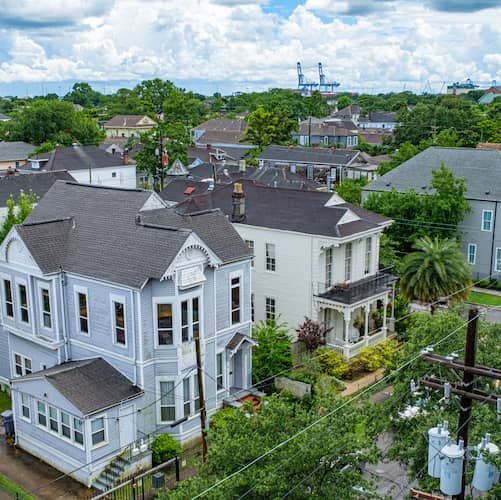
There are a lot of reasons why buying a home in Mississippi is a solid financial and lifestyle move. Many desirable areas in Mississippi have median home prices well below the national average, meaning you’ll get more home for your dollar.
To maximize your success in buying a home in Mississippi, you should take clear and proven steps. Let’s explore what you’ll need to know and do to reach your Mississippi homeownership goal.
A step-by-step guide on how to buy a house in Mississippi
Get your finances in order
It’s important to collect and review your finances before you begin searching for a home. This will give you a good idea of how much home you can afford and organize and compile your financial records for lenders, which will help streamline your financing.
Start by reviewing your credit score and credit history. A good credit score and history are important to mortgage lenders and are instrumental in what interest rate you’ll qualify for. A higher credit score often translates into a lower interest rate and lower monthly payments. Check current Mississippi mortgage rates to get a sense of what you might qualify for.
You should also calculate your debt-to-income (DTI) ratio, which compares your monthly debt obligations to your gross monthly income. Lenders use this number to determine whether you can comfortably manage a mortgage payment alongside existing debts, such as car loans, student loans, and credit cards.
Next, estimate your potential monthly housing costs using a mortgage calculator. In addition to the mortgage principal and interest payments, be sure to include property taxes, homeowners insurance, private mortgage insurance (PMI) if you’ll need it, homeowners association (HOA) fees if applicable, and home maintenance expenses.
Your down payment amount is also vital to determine. A larger down payment means less money you’ll have to borrow, reducing your monthly payment and the overall cost of your loan.
Finally, create a home buying budget for closing costs, moving expenses, inspections, insurance premiums, and future maintenance needs.
Get pre-approved and compare loan options
Getting pre-approved for a mortgage is an important early step in buying a house in Mississippi. This is not the same as pre-qualification, which often uses self-reported financial information. Pre-approval typically involves a lender reviewing documents like your pay stubs, bank statements, and credit information. So, pre-approval carries more weight.
Pre-approval can tell you how much home you can afford and make you more competitive in the buying market. Sellers know that you are serious and able to buy their home.
You should also explore all your loan options, which might be wider than you believe. For instance, in addition to conventional, Federal Housing Administration (FHA), and U.S. Department of Veterans Affairs (VA) loans, you might qualify for a U.S. Department of Agriculture (USDA) rural development loan.1,2 These can offer no-down-payment financing for eligible properties in designated rural areas.
Explore your mortgage options
Not all home loans work the same way; in fact, there are different types of mortgages. Exploring your options early will help you find the loan type that matches your financial situation and homeownership goals.
Here are the most common types:
- Conventional loans: These are traditional mortgages offered by private lenders. They often require stronger credit profiles but may offer competitive interest rates and flexible terms.
- FHA loans: These are government-backed loans insured by the FHA. FHA loans typically allow lower credit scores and smaller down payments, which makes them a popular choice for first-time buyers.
- VA loans: These mortgages are backed by the VA and are reserved for eligible veterans, active-duty service members, and certain surviving spouses. VA loans often require no down payment and do not charge mortgage insurance.
Because the type of mortgage you choose can affect your minimum down payment requirements, credit score standards, interest rates, and overall loan eligibility, it’s important to explore them carefully and fully before choosing one.
Research Mississippi’s home buyer assistance programs
If you’re eligible, homeownership assistance programs may help you lower your upfront costs. Mississippi offers many programs designed to assist first-time buyers and households that meet certain income requirements.
The primary agency overseeing many of these initiatives is the Mississippi Home Corporation (MHC). It works with participating lenders throughout the state.
Here are a few programs they offer:
- Smart6: This program provides down payment assistance, paired with a mortgage loan through participating lenders.
- Easy8: This program offers assistance for qualifying first-time home buyers and includes deferred repayment options.
- Trusty10: This program provides additional down payment and closing cost assistance through a second mortgage.
Program requirements vary, but to use these programs you’ll need to work with a participating lender, meet income eligibility limits, and buy a home that falls within dictated purchase-price caps.
Consider finding a real estate agent
Is it possible to buy a home in Mississippi without working with a real estate agent? Sure. But real estate agents are often well worth any commission they earn. They can make your search easier, your purchase process less stressful, and potentially get you a better deal on a home that suits your needs.
An experienced real estate agent understands the local market and has relationships with other agents and, potentially, the sellers. They can schedule home tours, prepare offers, negotiate with sellers, and manage the piles of paperwork that a home sale demands.
Shop for the right place in Mississippi
When you shop homes, be sure to consider neighborhood safety, school quality, access to healthcare, nearby shopping and dining options, and commuting distance. These can all influence your long-term satisfaction with a home.
Housing affordability is another important consideration. Think about future expenses such as maintenance, utility costs, insurance premiums, and property taxes.
And even if you don’t intend to sell the house, plans can change. So, it’s worth considering potential resale value. Features such as desirable locations, strong school districts, and growing local economies can drive demand if you decide to sell later.
There is a wide mix of housing markets in Mississippi, from larger metro areas to smaller communities and coastal towns. Some of these will be highlighted below.
Make an offer and negotiate
When you find the home you want to buy, consider working with a real estate agent to prepare an offer based on the current market and similar home sales. An agent can help you determine whether the asking price is reasonable and give you a foundation for negotiations.
Your offer should include your proposed purchase price, financing details, estimated closing date, and any contingencies. Negotiations may involve more than just the purchase price. For instance, it’s not uncommon to discuss repair requests, closing cost contributions, included appliances, move-in dates, and other contract terms.
Here are some common contingencies:
- Home inspection contingencies
- Financing contingencies
- Appraisal contingencies
- Sale-of-current-home contingencies
- HOA contingencies
Deposit earnest money
If the seller accepts your offer, typically, you’ll need to deposit earnest money to show that you are committed to the deal. This money is usually held in escrow and is credited back to you at closing to help pay closing costs.
The amount is negotiated between you and the seller, with contingencies in the agreement. For instance, generally, if you don’t complete certain tasks, such as inspections, by a certain date or if you try to back out of the deal without an agreed-upon reason, you could lose your earnest money.
Complete the closing process
After the seller accepts your offer, a lot of steps must occur before ownership officially transfers.
A home inspection is typically conducted. This identifies potential issues with the property’s structure, systems, and overall condition. In Mississippi, you’ll also want to schedule a termite inspection because of the state’s climate.
Concurrently, the lender will order an appraisal of the property to verify that its value equals or exceeds the sale price. The mortgage then enters underwriting, where the lender reviews your finances, verifies your employment and assets, and ensures you’ve met other loan requirements. Once the lender gives the final approval, a closing date is scheduled.
On closing day, you’ll review and sign mortgage documents, pay closing costs, and finalize all paperwork. After the documents are recorded and funds are transferred, legal ownership of the property passes to you, and you’ll typically be handed the keys to your new home.
See what you qualify for
Mississippi housing market: At a glance
Here’s a snapshot of the Mississippi real estate market as of September 2026:
|
Median home sale price |
$268,728 |
|
Median days on the market |
54 |
|
Percentage of homes sold over list price |
8.4% |
|
Number of homes for sale |
11,285 |
|
Primary selling seasons |
Late spring and summer |
|
Popular metropolitan areas |
Jackson, Gulfport, and Hattiesburg |
Home prices and affordability
In September 2026, Mississippi’s median home price was $268,728, which is well below the national median of $393,895. It was also up from the state median 5 years ago, which was $218,000. In other words, homeowners in Mississippi benefit from affordable housing and home appreciation. To see what that could mean for monthly costs, check the average mortgage payment in Mississippi.
Some of the key factors that affect Mississippi home values include:
- Location: For example, the median home price is higher in Oxford at $467,777, and Madison at $369,724, than in Jackson at $131,612 and Gulfport at $207,901.
- Property type: A property’s size, age, condition, and features all affect what sale price it can command.
- Local amenities: Home buyers often pay a premium to live near good school districts, entertainment, outdoor recreation, dining, and more.
To estimate how much house you can afford in a particular Mississippi ZIP code, enter your details into this free home affordability calculator from Rocket Mortgage. For example, if you had a state median household income of $56,447, a 720-plus credit score, zero debt, and $10,000 to put down, you could comfortably afford a home price of $264,874 in Clinton, Mississippi.
Inventory, demand, and seasonality
Much of Mississippi’s housing market can be explained by supply and demand.
The number of homes for sale in Mississippi jumped by 7.5% from a year earlier, indicating an expanding supply. In other words, Mississippi’s housing market is balanced and growing.
For more local Mississippi housing statistics and predictions, find a reputable real estate agent.
The most popular times to buy a house in Mississippi are late spring and summer, when warmer weather and the end of the school year make it easier to move. This is when home inventory tends to be at its peak. However, buying in the fall or winter can have its advantages. For example, you may face less competition and lower prices. Ultimately, the best time of year to buy a house in Mississippi depends on your priorities.
Take the first step toward the right mortgage
Apply online for expert recommendations with real interest rates and payments
What to know before buying a house in Mississippi
There are some important things to consider before buying a home in Mississippi, such as regional differences, insurance costs, and ongoing property maintenance.
Mississippi housing market and regional differences
The Gulf Coast and Jackson metro offer very different lifestyles and opportunities. The coastal areas, such as Gulfport and Biloxi, provide recreation, beaches, and access to the Gulf of Mexico. But this area is also open to threats from hurricanes, flooding, and, consequently, higher insurance costs.
Conversely, the Jackson metro area gives you access to government employment, healthcare, shopping, and suburban communities. But housing prices and infrastructure can vary greatly from community to community.
This is why, if you’re buying from out of state, you should visit the area before committing to anything.
Property taxes and maintenance costs
Mississippi generally has some of the lowest property tax rates in the country – as of 2024, the effective rate was 0.58% on average. Your actual rate depends on the exact location and any exemptions.
You also need to budget for home maintenance costs, which can be substantial thanks to Mississippi’s hot, humid climate. Such things as air conditioning, roof upkeep, and drainage control all can be factors.
Flood zones and insurance
Mississippi has many flood zones, particularly along the Gulf Coast. In fact, much of the state lies in Special Flood Hazard Areas (SFHAs), designated by the Federal Emergency Management Agency (FEMA). This means that if you have a government-backed loan, such as an FHA, VA, or USDA loan, you’ll be required to buy flood insurance. Standard homeowners insurance typically does not include it.
And even if you have a conventional loan, flood insurance may be required. It’s certainly a good idea. This cost should be factored into any buying decision.
Find out if a 30-year fixed loan is right for you
See rates, requirements and benefits
Mississippi closing costs and legal considerations
Closing involves a few things less fun than getting the keys to your new home.
Buyer closing costs in Mississippi
Mississippi closing costs generally include lender fees, appraisal charges, title-related expenses, property taxes, and homeowners insurance.
You should expect closing costs to be 3% – 6% of the amount of your mortgage. The exact amount will depend on many factors. You should always research whether you qualify for any closing cost or down payment assistance programs, as there are many for low- to middle-income families and first-time buyers.
Review your Closing Disclosure
At least 3 days before the close of your mortgage, the lender is required to give you a Closing Disclosure. You need to study this carefully to make sure everything is correct and the terms are what you agreed to.
The multi-page document will detail your projected monthly payments and all fees and charges that make up your closing costs.
The reason it’s presented days before closing is so you have time to consider it carefully and ask the lender any questions you have. If you have any at all, you should ask them before signing your loan documents.
Title and legal considerations
Mississippi requires an attorney to be involved in the title certification and document preparation when you close on your home. So, you’ll need to choose a lawyer you trust for this. They’ll make sure all paperwork is in order.
One important document you’ll receive is a title report. It verifies that the seller has the right to sell the property to you and lists any issues that need to be resolved, such as liens or easements. You should also consider title insurance, which protects you against certain problems with the title found later.
Your lender likely will also want a property survey, which in this case is called a mortgage survey. It confirms the boundaries of the property, along with any easements or encroachments.
Complete the final walk-through and closing
The final walk-through of the home is your last opportunity to confirm that it is in the condition that you and the seller agreed upon. This might include ensuring repairs that you requested, and the seller agreed to make, have been made.
Then, at closing, you’ll sign a lot of documents, funds will be transferred, and the deed will be prepared for recording you as the new owner. Finally, you’ll get the keys to your new home.
What to do after closing on a Mississippi home
Once you have the keys to your new home and are ready to move in, there are still a few tasks that need to be done.
File your homestead exemption
If you qualify, the Mississippi homestead exemption can reduce the property taxes you pay on your home each year. The application is only open from January 1 to April 1 of each year, and you’ll need to apply at the Tax Assessor’s office in the county where your home is located.
You’ll need to provide information like your Social Security Number, the property’s address, selling price, and more. Visit Mississippi’s Department of Revenue webpage for a list of documents you’ll need.
Complete your first-week homeowner tasks
Be sure to transfer all utilities into your name, update your mailing address, and notify banks, credit cards, employers, and insurance companies of your move.
It’s also a good idea to change your new home’s locks, test any smoke or carbon monoxide detectors, and review the property’s security systems, if any. You should also create a maintenance plan, especially considering Mississippi’s climate.
Best places to live in Mississippi
When choosing where to live in Mississippi, carefully weigh your finances, preferred lifestyle, work and education needs, and the climate. Here are some popular cities in Mississippi:
Jackson
- Population: 146,302
- Median household income: $44,635
- Median home price: $131,612
- Crime and safety grade: B-
- Public school quality grade: C
Jackson is the capital and most populous city of Mississippi. It offers a diverse economy, outdoor recreation opportunities, and a low cost of living. Plus, it has a rich soul music heritage and access to quality health care and other urban amenities.
The city suffers from a relatively high crime rate of 36.06 crimes per 1,000 residents, which is higher than 95% of cities in the United States.
If you’re raising a family, some of Jackson’s suburbs include family-friendly cities such as Madison, Flowood, and Clinton.
Oxford
- Population: 26,411
- Median household income: $64,511
- Median home price: $467,777
- Crime and safety grade: A-
- Public school quality grade: A
Oxford is a small college town. As home of the University of Mississippi, aka "Ole Miss," it offers quality academic and sports programs as well as college arts and entertainment attractions.
Meanwhile, the town has a low cost of living compared to the rest of the U.S. while still offering access to quality healthcare, not to mention a vibrant culture and community.
That said, housing can be more expensive in Oxford than in other places in Mississippi. The median home price is $385,700, which is $116,588 more than the state median of $269,112.
Hattiesburg
- Population: 48,619
- Median household income: $46,342
- Median home price: $239,136
- Crime and safety grade: C
- Public school quality grade: B
Hattiesburg is a small city located an hour and a half from each of the following: Jackson, New Orleans, the Gulf Coast, and Mobile, Alabama. It also has a low cost of living and strong job opportunities. Plus, its rural feel makes it ideal for nature lovers. For those interested in higher education, the city also has 2 universities.
Gulfport
- Population: 73,003
- Median household income: $49,919
- Median home price: $207,901
- Crime and safety grade: C-
- Public school quality grade: A
Gulfport is a city on the Gulf Coast and the second-largest city in Mississippi. New residents can expect stunning beaches, lots of outdoor recreation opportunities, a low cost of living, an international airport, and business-friendly regulations that boost the city’s economy.
However, Gulfport also has downsides, including a high risk of hurricanes and high crime rates.
Southaven
- Population: 56,226
- Median household income: $78,483
- Median home price: $279,867
- Crime and safety grade: C+
- Public school quality grade: A-
Southaven is a small city just across the Mississippi-Tennessee border from Memphis. As a result, it offers close access to Memphis’s amenities, including its healthcare facilities.
Meanwhile, Southaven itself is one of the fastest-growing cities in Mississippi, known for its strong family culture, low cost of living, and great food scene.
That said, Southaven has a relatively high crime rate and isn’t very walkable, so it’s best to have a car and to choose one of its safer neighborhoods to live in.
Biloxi
- Population: 48,861
- Median household income: $57,204
- Median home price: $307,354
- Crime and safety grade: C
- Public school quality grade: A
Biloxi is another city on the Gulf Coast, right next to Gulfport. It offers beautiful coastlines, a diverse culture, a mild year-round climate, and lots of water sports and other outdoor activities.
On the flip side, public transportation options are limited, the economy is heavily dependent on tourism, and the area is prone to hurricanes.
Tupelo
- Population: 37,791
- Median household income: $66,257
- Median home price: $247,332
- Crime and safety grade: C
- Public school quality grade: A
Tupelo is a small city in northern Mississippi famous for being the birthplace of Elvis Presley. Today, its art scene remains alive and well. Plus, the town has excellent food options and a highly rated public school system.
However, the town may not be ideal for those seeking nightlife and other urban amenities. But if you’re looking for a low cost of living and low home prices, Tupelo is hard to beat.
Why should you consider living in Mississippi?
Let’s look at what draws many to living in Mississippi:
- Affordable homes: Mississippi’s housing costs are typically 40% below the national average, making it one of the cheapest states to buy a house.
- Low cost of living: The cost of living in Mississippi is nearly 14% lower than the national average, which means your income will stretch further here.
- Higher education options: Mississippi has 23 colleges and universities, including 8 public universities, 4 research institutions, and 15 community colleges.
- Southern hospitality and community: Locals are known for their warmth, friendliness, and willingness to help each other and build lasting relationships.
- Natural beauty and warm climate: Mississippi is home to several parks, lakes, and rivers, offering natural beauty and ample outdoor recreation options. Plus, its humid subtropical climate offers long, hot summers.
- Tax-friendly environment: Mississippi is a very tax-friendly state for retirees. It doesn’t tax retirement income, including Social Security, pensions, and other retirement accounts, and has one of the nation’s lowest effective property tax rates at 0.58%.
That said, living in Mississippi also has some risks. For example, some areas are prone to thunderstorms, flooding, and hurricanes, while others may have limited job opportunities.
FAQ
Here are answers to some frequently asked questions about buying a house in Mississippi:
Is it a good time to buy a house in Mississippi?
It can be. Mississippi home prices are relatively affordable and rising, and the number of homes for sale is up from last year, offering more selection. However, whether it’s a good time to buy a house in Mississippi ultimately depends on your personal finances and goals.
How much do I have to put down on a Mississippi home?
Some government-backed loan programs require no down payment. Some conventional loans require as little as 3% down.3 The more you put down, the less you’ll pay in interest. Plus, down payments of at least 20% eliminate the need for PMI. Use a down payment calculator to estimate how much you’ll need for a down payment.
Can I buy a home in Mississippi if I have bad credit?
Conventional loans generally require a minimum credit score of 620, but FHA loans are available to those with a credit score of at least 580 through Rocket Mortgage.4 Regardless of the required credit score to buy a house, improving it can help you qualify for better loans and terms.
Do I need hurricane insurance for a house in Mississippi?
While there is no specific hurricane insurance, there is multiple-peril insurance that covers wind or hail damage caused by a hurricane. A standard homeowners insurance policy covers damage from wind and hail but does not cover flood damage, so you may want a separate flood insurance policy if you live in an area prone to hurricanes.
How long does it take to buy a house in Mississippi?
From accepted offer to closing day, buying a house in Mississippi typically takes around 30 to 60 days if you are using a mortgage. All-cash offers can be much shorter.
What are the requirements for a first-time home buyer in Mississippi?
The main requirement is that you cannot have owned a home in the last 3 years. If you qualify, this opens up many first-time buyer assistance programs that can help with your down payment or closing costs. In addition, some loans may offer no-down-payment programs to first-time buyers.
Can I buy a house if I only make $30,000 a year?
Possibly. If you find a lower-priced home and have low debt, good credit, and a sizable down payment, it could be possible. Qualifying for certain loans with more flexible terms, such as a VA loan, could also help. Finally, you’ll want to look into any down payment assistance programs for first-time or low-income buyers.
What’s the minimum down payment for a $300,000 house?
This depends on the loan type you choose. For a conventional loan requiring a 3% minimum down payment, it would be $9,000. An FHA loan requiring a 3.5% down payment would need $10,500. If you qualify for a VA or USDA loan, you may be eligible for a no-money-down loan.The bottom line: You can confidently buy a house in Mississippi
Mississippi offers a rare combination of affordability, Southern charm, and diverse living options. From lively college towns like Oxford to coastal cities like Gulfport and Biloxi, newcomers have a lot to choose from.
To ensure you have a successful home buying experience, make sure you prepare and follow the tried-and-true steps outlined above. Get your finances in order, research loan types, consider working with a real estate agent, and don’t rush through inspections and negotiations.
When you’re ready to take the next step toward homeownership in Mississippi, apply for a loan from Rocket Mortgage and see how much home you can afford.
1Rocket Mortgage is not acting on behalf of FHA or HUD.
2Rocket Mortgage is a VA-approved lender, not endorsed or sponsored by the Dept. of Veterans Affairs or any government agency.
3The 3% down payment option is only available on certain conventional loan products and is not available in all states. Additional terms and conditions may apply.
4To qualify for this offer, you must meet all standard FHA eligibility requirements. In addition, your total mortgage payment, including taxes and insurance, cannot exceed 38% of your income, your debt-to-income (DTI) ratio cannot exceed 45%, and you must have 12 months of verifiable housing history immediately prior to your application, no late payments 30 days or greater in the last 12-months, and no derogatory marks on your credit report. Not available on jumbo loans. Asset statements may be needed, no more than 1 day of non-sufficient fund fees are allowed in the most recent 2 months prior to application. Additional restrictions/conditions may apply.
This article is for informational purposes only and is not intended to provide, and should not be relied on for, medical, legal, financial, investment, or tax advice. You should consult with a qualified professional for advice specific to your situation. Consumers should independently verify that any services, products, or programs referenced meet their needs and comply with applicable requirements.
Rocket Mortgage is a trademark or service mark of Rocket Mortgage LLC or its affiliates.

Terence Loose
Related resources

6-minute read
How to buy a home in Louisiana
Are you looking for a house in the Pelican State? Buying a home in Louisiana can be complicated, but Rocket Mortgage’s guide is here to walk you through i...
Read more
6-minute read
How to buy a home in Arkansas
Are you looking for a house in the Natural State? Buying a home in Arkansas can be complicated, but Rocket Mortgage’s guide is here to walk you through it...
Read more

7-minute read
How to buy a home in Oklahoma
Are you looking for a house in the Sooner State? Buying a home in Oklahoma can be complicated, but the Rocket Mortgage guide is here to walk you through it.
Read more