A complete guide to property tax benefits for veterans
Contributed by Sarah Henseler
Feb 9, 2026
•6-minute read

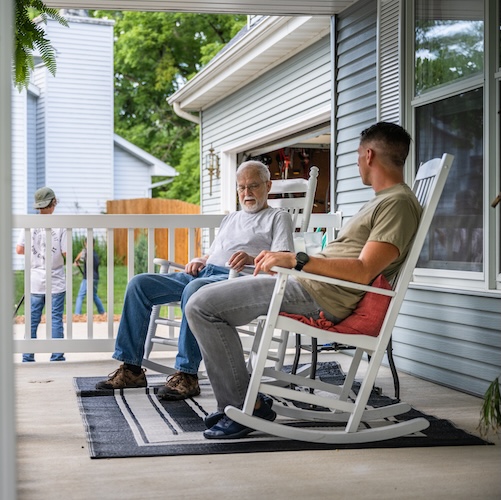
There are many government-backed programs designed to make homeownership more accessible for veterans. A VA loan is a prime example, as these loans typically don’t require a down payment and have lenient credit requirements, which can open doors to a home of your own — and the stability that comes with it.
As with most things, however, buying a home becomes more complicated as you dig into the details. For instance, questions will likely arise on the subject of property taxes, starting with a fundamental one: Do veterans pay property taxes?
The answer to this question varies because there isn’t a national standard for this type of benefit. So let’s dive in and look at the issue of veterans and property taxes, and get some answers here.
Do veterans pay property taxes?
To answer briefly: Yes, most veterans pay property taxes — but the requirements and details vary. Property taxes vary by state and county — the effective tax rate (or the average percentage of your property’s market value that you pay in taxes) in San Diego County, California, is 0.7%, while the rate in Middlesex County, New Jersey, is 2.2%. (A chart below spells out the specific rates by location.)
Also, the details are indeed important. If you are a veteran receiving property tax benefits, for instance, you may have to renew your veteran status annually. If you don’t, you could end up with an unexpected property tax bill.
See what you qualify for
Types of property tax benefits for veterans
There are two main categories of tax benefits for veterans who own property: property tax exemptions, which reduce (or even eliminate) part of the property’s taxable value and lowers the amount owed each year. Then there are property tax refunds, which return money you’ve already been paid to the government.
By helping to lower costs, these programs can ease the cost of owning a home and help you plan for the future.
Property tax exemptions
A property tax exemption functions as a way to decrease the amount of property tax you owe. A partial exemption will lower your tax bill, for instance, while a full exemption will entirely eliminate your property tax obligation.
Veterans are often eligible for property tax exemptions, but there are qualifications including age, income level, and degree of disability.
Property tax refunds
A property tax refund means the government reimburses you for property taxes you’ve already paid, typically based on eligibility factors such as income, disability status, or level of veteran benefits.
Take the first step toward the right mortgage
Apply online for expert recommendations with real interest rates and payments
Property tax benefits for veterans by state
As previously noted, the rules for veteran property tax rates differ between states. Below is a listing each state (and the District of Columbia) along with a general overview of their policies regarding veteran property tax rules. These regulations reflect the most recent information as of November 2025, but details can change. For specific details, consult the Office of Veterans Affairs.
| State | Property tax benefits details |
|
Alabama |
Veterans who have a Permanently and Totally (P&T) disability rating can receive a property tax exemption on a primary residence (and up to 160 adjacent acres). |
|
Alaska |
Veterans with a disability rating of 50% or higher can receive a tax exemption on the first $150,000 of their home’s value. |
|
Arizona |
Veterans with a P&T disability rating may receive a tax exemption of up to $4,188 on their primary residence. |
|
Arkansas |
Disabled veterans may receive a full property tax exemption. |
|
California |
Veterans with a 100% disability rating may qualify for a property tax exemption. |
|
Colorado |
Veterans with a 100% disability rating may receive a property tax exemption on 50% of the first $200,000 of the full value of their primary residence. |
|
Connecticut |
Veterans with a P&T disability rating may receive a full property tax exemption. |
|
Delaware |
Veterans with a 100% disability rating may be eligible for a tax credit. |
|
Florida |
Veterans with at least a 10% disability rating are entitled to a $5,000 deduction, while veterans with a 100% disability rating may receive a full property tax exemption. |
|
Georgia |
Veterans with a P&T disability rating may receive a property tax exemption of up to $109,986. |
|
Hawaii |
Veterans who are 100% disabled may receive a full property tax exemption on their primary residence. |
|
Idaho |
Veterans with a 100% disability rating may reduce their property taxes by $1,500. |
|
Illinois |
Veterans may qualify for a property tax exemption, but eligibility and exemption amounts can vary. |
|
Indiana |
Veterans who have a disability rating of at least 10% qualify for a property tax exemption of $24,960 from the assessed value of the relevant property. |
|
Iowa |
Veterans with a 100% disability rating can qualify for a full property tax exemption. |
|
Kansas |
Disabled veterans may receive a property tax exemption on their primary residence. |
|
Kentucky |
Veterans who are at least 65 years old or have a disability rating of 100% may receive a property tax exemption of up to $49,100 for their primary residence. |
|
Louisiana |
Veterans with a 100% disability rating may receive a full parish property tax exemption. |
|
Maine |
Veterans who are at least 62 years old or have a disability rating of 100% may qualify for a property tax exemption up to $6,000. |
|
Maryland |
Veterans with a 100% disability rating may qualify for a full property tax exemption on their primary property. |
|
Massachusetts |
Veterans who have at least a 10% disability rating, lived in the state for six months prior to enlisting, or lived in the state for five consecutive years may receive a property tax exemption. |
|
Michigan |
Veterans who are 100% disabled may qualify for a full property tax exemption on their primary residence. |
|
Minnesota |
Veterans with a disability rating of at least 70% may receive a property tax exemption of up to $150,000, while veterans with a 100% disability rating can qualify for an exemption of up to $300,000. |
|
Mississippi |
Veterans with a 100% disability rating are exempt from all property taxes on the assessed value of homestead property. |
|
Missouri |
Veterans with a P&T disability rating may receive a credit of up to $1,100 for property taxes on their primary residence. |
|
Montana |
Veterans with a 100% disability rating may receive a property tax exemption on their primary residence. |
|
Nebraska |
Veterans with a 100% disability rating may receive a property tax exemption. |
|
Nevada |
Veterans with a 100% disability rating may receive a property tax exemption of up to $34,400 of the assessed value of their primary residence. |
|
New Hampshire |
Veterans who have a P&T disability rating may receive a property tax credit. |
|
New Jersey |
Veterans with a P&T disability rating Jersey may receive an annual tax exemption on their primary residence. |
|
New Mexico |
Veterans with a 100% disability rating will receive a full tax exemption if the property is the veteran’s principal place of residence. |
|
New York |
Veterans may qualify for three different partial property tax exemptions, including: the Alternative Veterans’ Exemption, the Cold War Veterans’ Exemption, and the Eligible Funds Exemption. |
|
North Carolina |
Veterans with a P&T disability rating receive a property tax exemption of up to the first $45,000 of the appraised value of their primary residence. |
|
North Dakota |
Veteran with at least a 50% disability rating can be eligible for property tax reductions of up to $8,100. |
|
Ohio |
Veterans with a disability rating of 100% may qualify for a property tax exemption up to $50,000 of the market value of their primary residence. |
|
Oklahoma |
Veterans who have a P&T disability rating are exempt from paying taxes on their primary residence. |
|
Oregon |
Veterans with a disability rating of 40% or higher may receive a property tax exemption of varying amount, depending on the applicant’s income. |
|
Pennsylvania |
Veterans with a disability rating of 100% may be fully exempt from property taxes on their primary residence. |
|
Rhode Island |
Disabled veterans may receive a property tax exemption on their primary residence. |
|
South Carolina |
Disabled veterans may receive a property tax exemption on their home and land (up to 5 acres). |
|
South Dakota |
Permanently disabled veterans may qualify for a property tax exemption of up to $200,000 on their home. |
|
Tennessee |
Disabled veterans may receive property tax relief if they occupy the home as their primary residence. |
|
Texas |
Veterans may qualify for a property tax exemption depending on their VA disability rating. |
|
Utah |
Veterans who have a disability rating of at least 10% may qualify for a property tax abatement. |
|
Vermont |
Veterans with a disability rating of at least 50% may qualify for a property tax exemption. |
|
Virginia |
Permanently and totally disabled veterans may qualify for a full property tax exemption on their primary residence. |
|
Washington |
Veterans with a disability rating of 80% or higher may receive property tax relief. |
|
West Virginia |
Veterans who are considered 90% to 100% disabled may receive a property tax credit. |
|
Wisconsin |
Veterans with a 100% disability rating may receive a property tax credit. |
|
Wyoming |
Veterans are eligible for a property tax exemption of $6,000 of the assessed value of their primary residence. |
|
District of Columbia |
Veterans with a P&T disability rating can qualify for a property tax exemption. |
The bottom line: Disabled veterans may qualify for a full property tax exemption
Veterans who have served our country may be eligible for property tax exemptions or refunds that can make homeownership more attainable. The rules vary from state to state, and they depend on variables including income, age, and disability level. These programs can significantly reduce the cost of property taxes, helping to give veterans a stronger foundation for owning, maintaining, and enjoying a home.
If you are a veteran and you want to look into the benefits of a VA mortgage loan, check out the options from Rocket Mortgage today!
Rocket Mortgage is a VA-approved lender, not endorsed or sponsored by the Dept. of Veterans Affairs or any government agency.
This article is for informational purposes only and is not intended to provide financial, investment, or tax advice. You should consult a qualified financial or tax professional before making decisions regarding your retirement funds or mortgage.

Joel Reese
Joel Reese is a freelance writer who has written about real estate, higher education, sports, and myriad other subjects. He has been published in The Best American Sports Writing series, Details, Spin, Texas Monthly, Huffington Post, Chicago magazine, and many other outlets. His website, ReeseWrites.net, features several samples of his work.
Related Resources

12-minute read
VA loan: Requirements: eligibility, costs and how to apply
Learn VA loan requirements for eligibility, credit, income, property rules and costs. See what you may need to qualify and apply with confidence today.
Read more

5-minute read
Property tax exemptions: Seniors, veterans and others who qualify
Property tax exemptions help qualifying property owners by reducing or eliminating their property tax bill. Learn who qualifies for these exemptions and more...
Read more

5-minute read
What is property tax and how to calculate it
Property taxes are paid to local governments to help cover the cost of community services we receive. Discover how to calculate property taxes with our guide...
Read more