Natural hazard disclosure report (NHD): What it is and what it covers
Contributed by Sarah Henseler
Updated May 12, 2026
•7-minute read
: What it is and what it covers)
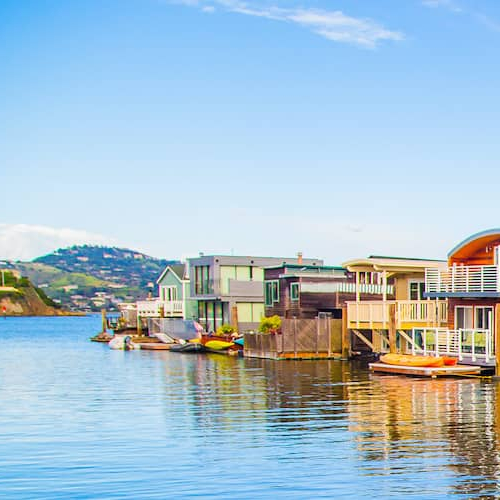
A natural hazard disclosure (NHD) report identifies whether a property falls within specific government-mapped hazard zones, helping buyers understand potential location-based risks before closing.
If you find yourself reviewing an NHD, keep in mind that it can’t predict whether a disaster will occur. But the document can give you a clear picture of the area's natural hazards.
This guide explores the details of what an NHD report is and when it may come into play.
What is an NHD report?
Essentially, an NHD report highlights whether a property is located within certain state- and locally mapped natural hazard zones, based on official government maps. Of course, this document can’t predict any future natural disasters. Instead, it offers more information to help buyers make confident home purchasing decisions.
NHD reports aren’t required everywhere, even though many sellers choose to provide one through a third-party disclosure company. But under California’s 1988 Natural Hazard Disclosure Act, Golden State sellers must provide buyers with a Natural Hazard Disclosure statement at closing.
See what you qualify for
Why do you need an NHD report?
For both the buyer and the seller, an NHD report offers more information that can lead to increased peace of mind.
From the seller’s point of view, an NHD report provides protection from potential liability. It’s an opportunity to inform buyers of the risks involved in purchasing the home. For example, if you disclose that your home is in an area prone to earthquakes or wildfires, you won’t be liable if an earthquake or wildfire destroys the home after the sale.
On the buyer’s side of the transaction, a clear overview of potential risks offers a way to see what types of location-based risks might be tied to the property before closing. For buyers with questions, this report can serve as a jumping-off point for further investigation of potential threats.
Take the first step toward the right mortgage
Apply online for expert recommendations with real interest rates and payments
What states require an NHD?
California is the only state that requires an NHD report. For California real estate transactions, the standardized form includes details on the mapped hazard categories that may affect a particular property.
But California isn’t the only state to require disclosures when selling a home. For instance, many states require disclosure if a home contains lead-based paint. Other states may require disclosure if your basement regularly floods or your home has a history of termites or mold damage.
Discuss the required disclosure forms with your real estate agent. Your agent should know which disclosure forms you must provide by law.
What should be included in the NHD report?
California’s NHD report focuses on six core hazard categories. If a home is at risk, based on government-issued maps, the seller is required to check a box to indicate that particular risk is present.
Explore the required risk disclosures below.
Special flood hazard area
Homeowners must indicate whether the home they’re selling is in a special flood hazard area, an area where a home is at high risk for flooding. Buyers who get an NHD report with this box checked can explore additional insurance to protect themselves financially from potential future flooding. Typically, this means paying extra for flood insurance.
Dam inundation zone
A dam inundation zone indicates an area that could be affected if a nearby dam were to fail or overflow. Notably, a dam inundation zone isn’t the same as a FEMA flood zone. Again, this information allows buyers to consider investing in flood insurance to protect themselves from this potential hazard.
Very high fire hazard zone
A very high fire hazard zone, which represents an area identified by state and local agencies as having an increased wildfire risk, may be indicated on an NHD report. Buyers need to know when the home they’re buying is in this type of area because standard homeowners' insurance policies may not provide the depth of coverage they need for potentially dangerous and destructive fires.
Wildland hazard fire zone
Sellers must also disclose whether their home is in a wildland area at substantial risk for forest fires. The NHD stipulates that the state of California isn’t responsible for providing fire protection services for any building within a wildland area unless the Department of Forestry and Fire Protection reaches an agreement with a local agency to provide protection.
Earthquake fault zone
Because earthquakes are a concern in California, the NHD requires sellers to disclose whether their homes are in earthquake fault zones. Fault zones are fractures between two blocks of rock.
Fault zones can spread farther apart during an earthquake or slowly inch apart over time. Both types of fault-zone movement can damage a home. For homeowners in an earthquake fault zone, earthquake insurance can provide coverage in addition to standard insurance, even though living in a fault zone doesn’t necessarily mean you’ll experience an earthquake.
Seismic hazard
An NHD report also requires sellers to disclose whether their residences sit in an area prone to seismic hazards, like earthquakes that could cause landslides or lie. In some cases, this type of hazard could affect future building or curtail renovation plans. And, notably, most homeowners insurance policies don’t provide enough financial coverage for homes damaged or destroyed by an earthquake.
Additional hazard zones
Beyond the hazards covered above, some cities and counties require additional disclosures of hazard zones based on the particular locality’s planning maps. If you find hazard risks in an NHD report, it’s appropriate to ask more questions about the property during your due diligence phase before closing.
In some cases, the disclosed risks might dissuade you from purchasing the property.
Who orders the NHD report, and when do buyers receive it?
In California, sellers must order the NHD report. Typically, the report is prepared by a third-party company and provided to the buyer early in the closing process. Before closing, buyers should take time to review the disclosure form and ask any relevant follow-up questions.
How to use a natural hazard disclosure report
When you receive a natural hazard disclosure report, the goal is to get informed about the property you plan to purchase. Instead of looking at any of the check boxes as an overwhelming issue, consider using that as a jumping-off point in your due diligence.
What an NHD report tells you (and what it doesn’t)
An NHD report is a map-based disclosure, not a report on the condition of the home itself. Essentially, an NHD report lets you know if a property is in or not in a hazard zone, as defined by government-issued hazard zone maps.
If the property is in a hazard zone, it means the house is located within the boundaries of an official map. However, it doesn’t mean that a natural disaster has occurred there or is expected to occur there, just that it could.
Seeing that a property is in a hazard zone doesn’t mean something bad will definitely happen. Instead, it simply means the location meets the criteria for that mapped area, which is why it’s disclosed.
Key points to pay attention to
As you explore the disclosure, start by focusing on the following details:
- Which hazards are marked as applying to the property
- Whether any of the hazard terms are unfamiliar
- Whether there are additional local disclosures beyond the standard categories
Ask follow-up questions
If you aren’t sure what a particular hazard means, do some research to find out. You can start by asking your real estate agent. But if they don’t have a satisfactory answer, consider digging into the maps and government resources to find out more.
Consider insurance and planning conversations when relevant
In some cases, living in a hazard zone means choosing to take on additional protection through optional insurance. For example, you might choose to buy flood insurance or other hazard insurance to protect your finances from a disaster.
If possible, get in touch with an insurance agent early in the process to understand the costs of coverage.
Look at the report in context
The NHD report won’t be the only document you receive about the home during the closing process. It’s important not to look at the NHD report in a vacuum; instead, consider all of the other documents you receive, like inspection reports and seller’s disclosures.
If you’re looking at buying a house in a particular area, it’s likely impossible to eliminate all of the risks found on your NHD report simply by seeking out another house down the street. But by taking the time to read through your NHD, you can understand what’s being disclosed and move forward with confidence.
FAQ about NHD reports
Does an NHD report mean a disaster will happen?
An NHD report identifies whether a property is located within a mapped hazard zone based on official government maps for the awareness of potential buyers. The report doesn’t predict natural disasters or assess the condition of the home. Simply being in a hazard zone is about location and disclosure, not likelihood or timing of potential disasters.
Is an NHD report required for condos or new construction?
In California, NHD disclosures generally apply to most residential real estate transactions, including condos and newly built homes. When buying a house of any kind, the type or age of the property doesn’t change whether the land itself is in a mapped hazard zone.
Can I back out of a deal because of the NHD report?
Since buyers typically review the NHD report during their due diligence period, some may choose to back out of the deal based on new information that affects their comfort level.
Depending on timing, contract terms, and local rules, backing out is allowed, within the terms and timeline of the purchase agreement. If you’d like to back out of a deal, discuss it with your real estate agent to understand your options.
The bottom line: NHD reports help buyers understand a property’s location
For California buyers and sellers, the NHD report offers peace of mind by indicating any mapped natural hazard zones that include the property in question. Of course, the document can’t predict future natural disasters. But buyers can use this information as part of their due diligence before deciding whether to proceed with a home purchase.
Since many homes are located in hazard zones, reviewing this report is a standard part of buying a home in California. No matter where you’re looking to buy or sell a home, learn about Seller’s Disclosures and how they can impact real estate transactions. And when you’re ready to apply for mortgage preapproval, get in touch with a Rocket Mortgage Home Loan Expert.
Rocket Mortgage is a trademark of Rocket Mortgage, LLC or its affiliates.

Sarah Sharkey
Sarah Sharkey is a personal finance writer who enjoys helping readers make informed financial decisions. She lives in Florida with her husband and dogs. When she's not writing, she's outside exploring the coast.
Related resources
9-minute read
Filing a homeowners insurance claim after a natural disaster
If you’re thinking about filing a homeowners insurance claim to repair your house in the wake of a natural disaster, you may wonder, “Does home insu...
Read more

7-minute read
12 questions to ask when buying a house
It may be hard to know what questions to ask when buying a house. Use this checklist to make sure you get all the important information you need.
Read more
7-minute read
How to recover after a natural disaster: A guide
Recovering from a natural disaster is a tough process. Read our guide for how to put the pieces back together and recover after disaster strikes.
Read more