What does contingent mean?
Contributed by Sarah Henseler
Updated Jun 3, 2026
•13-minute read

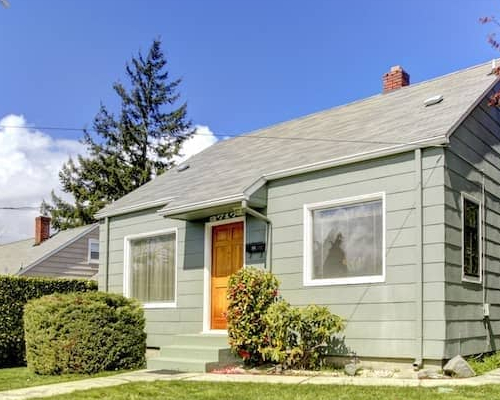
Purchasing a home is one of the largest, most meaningful investments that you’ll ever make. But it’s also a good idea to make any home purchase that you’re contemplating pursuing contingent upon one or multiple events. That’s because buying a home is a multistep process that’s impacted by myriad factors and events. Likewise, eager and well-meaning buyers may encounter all manner of unexpected twists and hiccups as they go.
In effect, making a sale contingent allows you to get out of a deal if something goes haywire … and despite the best-laid plans and well-intentioned deals, you never know what concerns may pop up.
Understanding how contingent offers work and how they impact the home buying process can effectively help you rest easier knowing that you have an “out” without penalty if issues should inadvertently arise on the road to closing.
What does contingent mean in real estate?
Contingent means “depending on certain circumstances.” When a house is listed as contingent, the buyer has made an offer and had their offer accepted by the seller. However, before the deal is complete, some conditions must be met. If they’re not met, the buyer is free to walk away from the deal, at which time the house typically goes back on the market.
For example, if a deal is contingent upon a home inspection passing, and the inspection uncovers an issue or multiple issues that would cause the sale to fall through, the buyer and seller can renegotiate the contract. Or, the buyer can bow out of the deal and reclaim their earnest money instead.
Keep in mind that a contingent offer is not a firm or guaranteed deal, but rather one that comes with risk inherently attached. Noting that real estate transactions revolve around principles of transparency and good faith, it’s important for sellers (and/or other interested parties) to know that the sale could potentially fall through should contingencies not be met. Under standard listing agreements and myriad locales’ laws, real estate agents are ethically and legally obligated to disclose a contingent transaction.
This benefits sellers by helping them set expectations and manage risk. That way, they can plan for any potential concerns or delays, and/or continue marketing the property or considering backup offers if needed. For buyers, it allows prospective purchasers to perform due diligence while also knowing that they’re not financially obligated to proceed with the transaction if, say, mortgage financing fails or inspections reveal pressing concerns. Generally speaking, disclosing a contingent offer helps promote clarity and minimizes concerns, misunderstandings and potential disputes.
See what you qualify for
How does a contingent offer work?
Under the terms of a contingent offer, as a buyer, you may include conditions (the contingencies) that you require to be met prior to any sale of a property becoming final. For example, you might require that you be able to successfully obtain mortgage financing, an inspection must pass, or you must sell your current residence first before the sale can go through.
All contingencies must be met before closing can occur and the sale becomes final. If any of these conditions are not satisfied, the contract effectively becomes null and void. Under such circumstances, as a buyer, you’re free to move on, and the seller can explore any backup offers received while the sale was contingent. Contingencies are typically used as escape clauses that help protect buyers from problematic home listings or unforeseen issues encountered with a real estate transaction.
Contingent offer example
Imagine that Nina is a veteran buying her first home using a VA loan.1 She makes an offer on a house, which comes with two contingencies, one around her successfully managing to secure financing and one that covers any concerns related to a home inspection. The sale of the property will only go through if she gets approved for the loan and the home passes inspection.
The VA lender reviews Nina’s finances and orders an appraisal to make sure that the home is safe and worth the proposed sale price. Nina also hires a VA-approved home inspector to look at the property.
But uh-oh … to Nina’s concern, the inspection uncovers a serious problem, in that the home has faulty electrical wiring that could be dangerous. Because Nina is using a VA loan, the lender will not approve her mortgage financing unless the property meets safety standards. The inspection report is shared with the seller, who is told to fix the electrical issue or risk losing the sale.
Nina now has a decision to make as a result of the contingencies that she built into the offer. Specifically, she can choose to wait for repairs to complete, elect to renegotiate the price, or walk away from the deal entirely without losing her deposit. In the end, the seller agrees to fix the wiring at their sole cost. Once the repairs have been performed to Nina’s and the lender’s satisfaction, the VA lender approves the loan, and Nina is able to purchase the property.
How does including a contingency protect buyers?
Certain contingencies such as those described in the scenario above protect buyers because they give them a way to get out of a deal and avoid being locked into a risky purchase.
In Nina’s case, the inspection contingency that she put into the offer protects her physically. Having found faulty electrical wiring during the inspection process, it shows the home could be unsafe. Because of the contingency that she’d included, Nina is not obligated to purchase a home that could present safety concerns. She can require the seller to make necessary repairs, or she can choose to walk away from the deal without losing her deposit.
At the same time, Nina’s financing contingency also protects her financially. Because she is choosing to utilize a VA loan, prior to extending financing options, the lender must approve the home and confirm that it meets safety and value standards. If the loan is denied because the home is not up to the lender’s standards, Nina won’t find herself stuck having to pay for a house that she cannot afford outright (and may not be worth the purchase price) or finance.
As you can see, various contingencies help to make certain that Nina only completes the purchase if the home is both safe to live in and financially feasible within her budget.
Take the first step toward the right mortgage
Apply online for expert recommendations with real interest rates and payments
Common contingencies in real estate
Certain contingencies are automatically built into select types of loans. Others can be added separately by the buyer (in which case you’re free to choose which contingencies to include) or negotiated with a seller during the process of writing a real estate purchase agreement.
By way of illustration, government-backed loans like VA or FHA loans come with built-in contingency requirements. Such loans frequently require any property that you’re considering purchasing to meet safety and livability standards before your lender will approve financing. Practically speaking, this means that certain protections are already “baked in” to the loan approval process, even if you as a buyer don’t explicitly add them to the contract.
As alluded, other contingencies are optional and are added by buyers or negotiated with sellers. Any such clauses need to be written clearly into the purchase agreement to help protect both sides during the transaction. Note: As a buyer, you should base the decision on which contingencies to include (and whether you include any at all) on your individual circumstances, the real estate market and your agent’s recommendations.
As a helpful guide, you’ll find several common contingencies that you may wish to utilize below.
Home inspection contingency
A home inspection contingency enables you to cancel and get out the purchase of a property should the home inspection reveal any physical, structural or operating issues with the home.
Under such a contingency, you’d hire a home inspector to review and assess the condition of the property. The inspector then goes through the home with a fine-tooth comb, looking both for obvious concerns or those that might not be noticeable or immediately obvious, such as landscape grading and exterior flashing.
Should a home inspection turn up any flaws or serious issues, and those concerns have been addressed in the contract, as a buyer, you retain the option to back out of the deal. Alternately, you also have the choice to request that the seller repair the issues to your satisfaction or lower the total purchase price of the home.
Mortgage contingency
Putting in a mortgage contingency provides you as a buyer by giving you a predefined period of time in which to secure any necessary home financing. In effect, it helps you make certain that you can actually get a loan to cover the purchase of the property before you’re obligated to buy the residence.
Note that it’s possible to handle the financing contingency early in the home buying process. To begin with, it’s important to ensure that you’ve been preapproved (not just prequalified) for a mortgage.
Obtaining a preapproval puts you far closer to actual mortgage approval because it requires providing your lender with paperwork that allows the vendor to verify that your finances are in order. Be advised, however: Preapproval doesn’t guarantee that you’ll ultimately receive final mortgage approval. Final approval will only come later, once the lender has had the chance to take a deeper dive into your household finances.
Appraisal contingency
As part of obtaining a mortgage, lenders require you to undergo an appraisal on a property, which is a third-party assessment of what the home is worth. The appraisal contingency ensures that the house actually appraises for the total final sales price of the property.
In effect, even if you and the seller agree on a sales price, your lender can’t offer you a mortgage for more money than the home is appraised for. This is especially important to note as home values can change frequently in rapidly evolving real estate markets.
Also be aware: Should a house appraise for less than the sales price, it can present concerns. But that doesn’t mean that you’re out of luck entirely. For instance, if you can renegotiate the purchase price, you can make the deal work. Or if you have the cash to make a larger down payment so you won’t need a loan for more money than the house is worth, the deal can still go through. Alternately, you and the seller may agree to contribute more money on either end out of your own pockets to make certain that the sale closes.
Title contingency
A title contingency renders any offer that you elect to make as a buyer to purchase a property contingent upon the home having a “clean title” that’s free of any liens or encumbrances. A formal title search generally serves to reveal any concerns.
Conducting one is important as any claims made by third parties against the title can make a purchase a risky proposition for buyers. Should your search turn up an issue, you’ll still have an opportunity to clean it up, however. At the same time, it’s also a good idea to purchase title insurance to protect yourself against any future claims.
Home sale contingency
It’s also generally a good idea to include a home sale contingency in any offer that you make. That’s because under the terms of one, the purchase of the property will only go through if you successfully sell your current residence first. Keep in mind: While this contingency can protect you, it’s common for sellers to reject this in a seller’s market. That’s because if the seller knows they’ll have a good chance at getting an offer that doesn’t come with this restriction, they’re likely to decline any offer that includes one.
That said, you can always access options that allow you carry on with the purchase of the new house before you sell your current house and have the cash from that sale in hand. Your lender may be able to help you with a bridge loan or suggest other financial strategies that can assist.
Another option that you may choose to pursue here is requesting a later-than-normal closing date, which gives you more time to sell your house. Some sellers may decline to pursue this option if they want to close the sale of a property quickly, though. Then again, such an option might be attractive to other sellers shopping for a new home themselves or wanting to finish the school year in their current home.
Make an offer that will get accepted
Get a Verified Approval from Rocket Mortgage®
Why a seller may not want a contingent offer
While a contingency can reduce the risk for a buyer, the seller always prefers that any offer comes with no buyer contingencies. The absence of contingencies gives the seller a better chance of actually selling their home. Because of this, adding contingencies can put home buyers at a disadvantage – especially in a hot market, where there’s no shortage of buyers.
For instance, if your offer has a contingency stating that your current house must sell before you can complete a home purchase, the seller might not want to risk waiting around if another buyer’s offer isn’t contingent on their home selling. Use contingency clauses judiciously to make sure your offer is as attractive as it can possibly be.
What to do when you submit a contingent offer
After you’ve submitted a contingent offer, you’ll still want to engage in the process of house shopping, but to change your strategy in turn. Below are some options that you may wish to pursue if you have included a contingency (or multiple contingencies) in your purchase offer.
Continue to look at homes
Even though you might have your heart set on a specific house, it may be best to keep looking at houses and extend other offers while waiting for the outcome of your pending contingent offer. This may be a particularly good idea in real estate markets with low housing inventory and a surplus of buyers.
When shopping for a new home, it’s best to avoid putting all your eggs in one basket, so to speak. That way, you’ll have multiple options if the seller flat-out rejects your offer, the contingency period expires, and/or you never make it to closing due to contingencies not being met.
Make your offer stand out
Especially in a crowded market, it’s important to make your offer to purchase a property stand out to increase your chances of securing a deal.
One way to do so might be to write a seller a personalized letter explaining what the property means to you and/or your loved ones. Or, if you’ve got the necessary funds to pay for a home outright, you can let the seller know that by making an all-cash offer. That way, they can rest easier knowing that you don’t need a mortgage lender’s approval and can quickly proceed with the deal.
It’s also important to start the mortgage process early. Getting pre-approved before you start searching for homes gives you a clearer idea of your budget and also serves to demonstrate to any sellers you’re dealing with that you’re a serious buyer. This can make your offer appear far more competitive, especially in fast-moving markets where sellers prefer buyers who already have financing lined up and in-place.
In any event, your real estate agent can help you understand which contingencies make the most sense to include (if any) for your situation and negotiate them into your offer so you’re protected. Agents can also advise you on how strong or flexible your offer should be depending on the market and the seller’s needs.
Be aware of kick-out clauses
A kick-out clause allows sellers to consider other offers. Sellers who include this clause are generally looking at offers with fewer contingencies. While contingencies can protect your interests as the buyer, the possibility of a kick-out clause request from the seller is another reason to make your offer with as few contingencies as possible.
But the good news is that the sellers can’t kick you out just because they find a better offer; they must notify you and give you some time to remove the contingencies. Also, in a buyer’s market, sellers may accept a contingency with a no-kick-out provision. This would prevent them from accepting new offers while the contingencies are being worked through.
Make an offer that will get accepted
Get a Verified Approval from Rocket Mortgage®
How often do contingent offers fall through?
Contingent offers can and do fall through. According to the National Association of REALTORS®, only 7% of contracts fell through in 2025. To increase the chances of deals closing, buyers may choose to waive contingencies, like those relating to inspections and appraisals. But be advised that waiving such contingencies also provides less protection for the buyer.
What happens when a contract is voided?
When a real estate contract is voided or falls through, it is essentially canceled, and both parties are released from their obligations under the agreement.
From a buyer’s perspective, this usually means that they can walk away without completing the purchase and get their earnest money deposit back. They can also move on to reviewing and considering other homes.
From a seller’s perspective, the property goes back on the market and becomes available for other buyers to consider. Or the seller can accept a backup offer from a competing buyer.
FAQ about contingent offers
Understanding what is a contingent offer means familiarizing yourself with the way that real estate transactions work. Answers to several of the most frequently asked questions that buyers and sellers have can be found below.
Do I have to make an offer with contingencies in place?
No, but it’s often a good idea to do so. Putting contingencies into a purchase offer can help you protect yourself and get out of a deal if any financing or physical issues with a property arise.
Is it ever a good idea to waive contingencies?
Generally speaking, it’s not in your best interest as a buyer to waive contingencies. But you may wish to do so in certain circumstances, such as when a seller’s market makes the process of landing a deal highly competitive. Waiving contingencies (which increases the chances of a deal going through) may prove more attractive to sellers in these instances.
What happens if my contingent offer falls through?
If a contingent offer that you’ve made falls through for any reason, and you’ve clearly written contingencies into the contract, the deal is essentially canceled and you can usually walk away without losing your earnest money. The seller is then free to market the property to other buyers and accept backup offers.
Should I look at a house that’s contingent?
The short answer: Maybe. You can still look at a contingent house, but keep in mind that the sellers have already accepted an offer on it that depends on conditions being met. If those conditions fail (and they sometimes do), the property may come back on the market, in which case it can be worth considering as a backup option.
How long does contingent status last on a house?
There is no set time limit under which a property is made contingent. Rather, it depends on the terms of the contract between individual buyers and sellers and how quickly the contingencies are satisfied. Contingent status can last anywhere from a few days to several weeks or even longer.
The bottom line: Contingencies are there to protect all parties
Contingencies are safeguards designed to help you protect yourself in any real estate transaction. Serving as escape clauses in the event that you encounter financial or physical concerns with a property, each helps you go about home buying process without fear of committing to a bad deal or losing money.
A variety of contingencies like those related to financing, inspection, and appraisal conditions give you the opportunity to address any issues encountered during the home buying process or back out of a deal. At the same time, they also serve to protect sellers by making sure that buyers are serious and capable of completing a purchase before any home sale becomes final.
Step one in the process before you make an offer on a house is to make sure that you have your financing squared away, which can help make you a more attractive prospect to sellers. Ready to learn more? You can check out current rates with Rocket Mortgage and start an application for initial mortgage preapproval today!
1Rocket Mortgage is a VA-approved lender, not endorsed or sponsored by the Dept. of Veterans Affairs or any government agency.
Rocket Mortgage is a trademark of Rocket Mortgage, LLC or its affiliates.

Scott Steinberg
Hailed as The Master of Innovation by Fortune magazine, and World’s Leading Business Strategist, award-winning professional speaker Scott Steinberg is among today’s best-known trends experts and futurists. He’s the bestselling author of 14 books including Make Change Work for You and FAST >> FORWARD.
Related resources

6-minute read
Home buying rules: 9 essential steps for buyers
When buying a home, it helps to start with the basic rul...
Read more

7-minute read
A guide to the home inspection contingency
A home inspection contingency allows buyers to respond to results within a specific time frame. Learn how to successfully navigate and reply to an inspection.
Read more

8-minute read
Bidding wars: 6 tips for home buyers on how to win
Preparation and planning are key when you’re making an offer on a hot property and a bidding war breaks out. Here are 6 tips to help your bid come out on ...
Read more