What’s the average mortgage payment in Minnesota?
By
Chibuzo Ezeokeke
Contributed by Sarah Henseler
Mar 2, 2026
•4-minute read

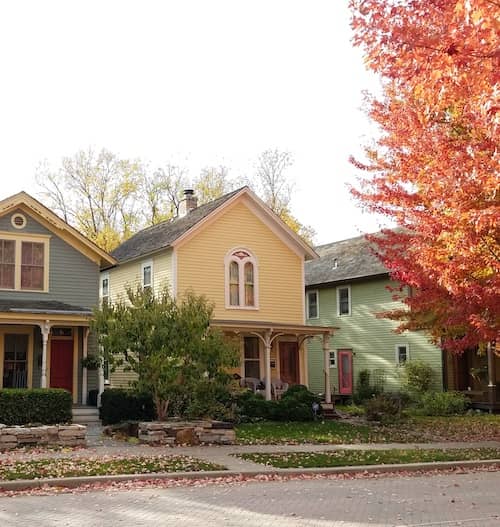
According to data collected from Redfin and Rocket Mortgage, the average monthly mortgage payment in Minnesota is around $1,707 before property taxes and insurance. Minnesota’s housing costs are slightly above the national average and continuing to rise despite falling demand as fewer houses have sold above the list price year-over-year.
Overview of the Minnesota housing market
The median sale price of a home in Minnesota is roughly $358,800, according to Redfin’s statewide housing data. While prices vary significantly by region, the Twin Cities metro area continues to see the highest prices, while more rural counties across the state remain relatively affordable.
Here’s a snapshot of recent median sale prices from Redfin across several Minnesota cities:
|
City |
Median Sale Price |
|
Minneapolis |
$341,450 |
|
St. Paul |
$300,000 |
|
Bloomington |
$360,000 |
|
Edina |
$675,000 |
|
Maple Grove |
$446,250 |
|
Plymouth |
$470,000 |
|
Eagan |
$370,000 |
|
Rochester |
$344,950 |
|
St. Cloud |
$249,900 |
See what you qualify for
Factors that influence mortgage payments in Minnesota
Your monthly payment includes principal, interest, taxes, and insurance (PITI). Tools like the Rocket Mortgage® mortgage calculator can help you see how different variables affect your payment.
Home price and down payment
Minnesota’s median home price is moderately lower than the national median, which results in lower loan amounts and monthly payments. For example, on a median Minnesota home with a 20% down payment and a 6.5% interest rate, the estimated monthly principal and interest payment is around $1,814.
A down payment below 20% triggers private mortgage insurance (PMI), which can add around $200 per month, depending on credit profile and loan type.
Mortgage rate
Your Minnesota mortgage rate depends on:
-
Credit score and credit history
-
Down payment amount
-
Home type and location
-
Current market conditions
Loan term
Loan length also influences your monthly payment. Most home buyers choose a 30-year or 15-year option. The 30-year mortgage option is the most common of the two and allows you to spread out payments over a longer duration while making a smaller monthly payment. The 15-year mortgage can be a better option for flexible home buyers who can afford higher monthly payments because you’ll pay much less in total interest.
Property taxes and insurance
Minnesota’s average property tax rate is about 1.04%, which is higher than the national average. On a median-priced home, property taxes can add several hundred dollars per month, depending on the county.
Homeowners insurance in Minnesota averages roughly $250 per month, though costs vary based on home value, coverage level, and weather-related risks.
Take the first step toward the right mortgage
Apply online for expert recommendations with real interest rates and payments
How do mortgage payments in Minnesota compare to others in the region?
While mortgage rates are similar nationwide, Minnesota’s home prices push monthly payments higher than some neighboring states.
|
State |
Average Monthly Mortgage Payment |
|
South Dakota |
$1,768 |
|
Minnesota |
$1,707 |
|
Wisconsin |
$1,683 |
|
North Dakota |
$1,670 |
|
Iowa |
$1,623 |
|
Illinois |
$1,618 |
Find out how much you can afford
Your approval amount will give you an idea of the closing costs you’ll pay
Counties with the highest mortgage payments in Minnesota
Mortgage payments are highest in counties near the Twin Cities, where demand and home prices are strongest. Below are the counties with the highest estimated monthly mortgage payments based on Q1 2025 median sale prices from the National Association of REALTORS®.
|
County |
Median Sale Price |
Estimated Monthly Payment |
|
Carver County |
$492,790 |
$2,900 |
|
Washington County |
$447,900 |
$2,640 |
|
Scott County |
$425,890 |
$2,510 |
|
Hennepin County |
$417,150 |
$2,460 |
|
Dakota County |
$413,910 |
$2,440 |
Counties with the lowest mortgage payments in Minnesota
More rural counties across Minnesota tend to have lower median home prices and, in turn, lower monthly mortgage payments.
|
County |
Median Sale Price |
Estimated Monthly Payment |
|
Traverse County |
$121,370 |
$710 |
|
Faribault County |
$132,510 |
$780 |
|
Kittson County |
$148,160 |
$870 |
|
Big Stone County |
$149,590 |
$880 |
|
Norman County |
$149,590 |
$880 |
How to calculate your mortgage payment
Lenders use a standard formula that factors in the loan term, interest rate, and the loan amount.
Rocket Mortgage offers a simple online mortgage calculator that lets you adjust these variables and see how your monthly payment changes. Additional tools allow you to explore refinancing options, PMI estimates, and more.
Get approved to buy a home
Apply online for expert recommendations and to find a solution that works best for you
Minnesota-specific mortgage resources
Minnesota offers several programs designed to help homebuyers afford a home:
-
Minnesota Housing Finance Agency (MHFA): Provides down payment and closing cost assistance programs for eligible buyers.
-
Minnesota Homeownership Center: Offers a network of advisors who provide free services to help Minnesotans buy a home.
Average mortgage payment in Minnesota FAQ
Where can I find the lowest average mortgage payments in Minnesota?
Traverse County has the lowest average mortgage payments in the state, at about $710 per month.
Which county has the highest average mortgage payments in Minnesota?
Carver County has the highest estimated monthly mortgage payment, at roughly $2,900.
How much do you need to make to afford a home in Minnesota?
Many lenders follow the “28/36 rule,” meaning that home buyers should avoid spending more than 28% of their gross income on housing and 36% on total debt.
With Minnesota’s typical mortgage payment of $1,707, a household might aim to earn about $6,100 per month, or roughly $73,000 per year, depending on other monthly debts.
The bottom line: Multiple factors shape your mortgage payment in Minnesota
Minnesota’s mortgage payments are influenced by home prices, interest rates, property taxes, and insurance costs. While buyers in the Twin Cities face higher monthly payments, many rural counties remain relatively affordable. Understanding local market conditions and available assistance programs can help buyers navigate the market more confidently.
Whether you’re a first-time buyer or an experienced homeowner, get prequalified for a loan with Rocket Mortgage to understand your buying power and begin the process with confidence.
*Methodology: Average monthly mortgage payment in a region, calculated based on average home purchase price for a fixed 30-year loan and a 52-week average interest rate of 6.68% from Freddie Mac as of August 2025.
This article is for informational purposes only and is not intended to provide financial, investment, or tax advice. You should consult a qualified financial or tax professional before making decisions regarding your retirement funds or mortgage.
Rocket Mortgage is a VA-approved lender, not endorsed or sponsored by the Dept. of Veterans Affairs or any government agency.
Rocket Mortgage is not acting on behalf of FHA or HUD. The 3% down payment option is only available on certain conventional loan productsand is not available in all states. Additional terms and conditions may apply.

Chibuzo Ezeokeke
Chibuzo has spent more than three years on Redfin’s Content Marketing team, specializing in homeownership tips and the move-in process. He creates practical, easy-to-follow resources that help new homeowners navigate everything from settling into their first property to building long-term equity. When he’s not writing about homeownership, Chibuzo enjoys running, playing basketball, and envisioning his dream Mediterranean-style home with a spacious kitchen and plenty of natural light.
Related resources

6-minute read
How to buy a house in Minnesota
Considering moving to the Gopher State? Here’s what buyers should know about the market and how to prepare to buy a house in Minnesota.
Read more

9-minute read
Raising kids in 2026: What parents really want in a hometown
When deciding where to raise a family, Americans look for safe, affordable communities to live in. See the top places in the U.S. to raise your kids in 2026....
Read more

10-minute read
The 20 safest places to live to avoid natural disaster
As cities experiences climate change, Rocket Homes used FEMA data to rank the best cities to avoid natural disaster, including Lima, Bloomsburg and Anchorage...
Read more