What is a jumbo loan In Utah? 2026 jumbo mortgage limits and requirements
Contributed by Sarah Henseler
Mar 1, 2026
•6-minute read

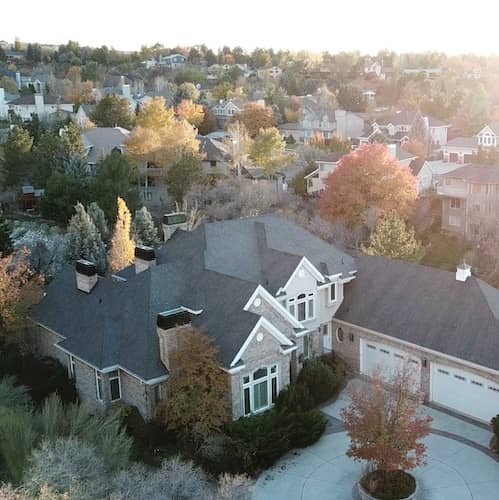
From red rock canyons and alpine ski towns to fast-growing suburban communities along the Wasatch Front, Utah offers a lifestyle that continues to attract buyers from across the country. As demand rises, especially in scenic, high-growth, and luxury markets, home prices in many parts of the state now exceed traditional conforming loan limits.
When a home’s price climbs beyond those limits, a jumbo mortgage becomes an essential financing tool. Understanding the jumbo loan limits in Utah, how jumbo loans work, and what lenders expect in 2026 can help you approach the buying process with realistic expectations and fewer surprises.
What is a jumbo loan in Utah?
In Utah, a mortgage is considered a jumbo loan when the amount you need to borrow exceeds the conforming loan limits established each year by the Federal Housing Finance Agency (FHFA). For 2026, that threshold begins at $832,750 for a one-unit property in most Utah counties and increases in designated high-cost areas. Any loan amount above your county’s limit falls outside the range eligible for purchase by Fannie Mae and Freddie Mac and must be financed as a jumbo loan.
Jumbo loans play an important role in markets where home prices have outpaced national lending standards. In Utah, this includes resort destinations, luxury neighborhoods, and rapidly growing suburban communities where rising demand and limited inventory push prices higher across multiple price tiers. Jumbo financing allows buyers to compete in these markets without being constrained by conventional loan caps.
Because jumbo loans involve larger balances, lenders typically evaluate applications more closely. Borrowers are generally expected to demonstrate strong credit, reliable income, and sufficient assets to support higher monthly payments. That said, today’s jumbo mortgage rates are often more competitive than many buyers expect – particularly for well-qualified borrowers with long-term financial stability.
See what you qualify for
Jumbo loan limit in Utah (2026)
Each year, the FHFA updates conforming loan limits to reflect changes in national home prices. For 2026, the standard conforming loan limit for a one-unit property in Utah is:
-
$832,750 in most Utah counties
-
$ 1,150,000 in designated high-cost counties
Any mortgage amount that exceeds your county’s conforming limit is considered a jumbo loan.
This is becoming more important today as Utah’s housing market has experienced sustained appreciation in resort areas and along the Wasatch Front. Markets like Park City, Alpine, Summit County, and Wasatch County continue to see elevated median sale prices driven by limited inventory, second-home demand, and lifestyle appeal.
Summit County and Wasatch County both qualify for higher conforming limits in 2026, reflecting their designation as high-cost housing markets. In contrast, most other Utah counties follow the national baseline – meaning buyers can cross into jumbo territory faster than expected when shopping in competitive neighborhoods or newer luxury developments.
As a result, jumbo financing in Utah is no longer reserved solely for ultra-luxury properties. Many move-up buyers and long-term residents now rely on jumbo loans to stay competitive in markets where home values have outpaced conventional lending caps.
2026 FHFA Conforming Loan Limits By County In Utah
|
County |
2026 FHFA Limit |
|
Beaver County |
$832,750 |
|
Box Elder County |
$832,750 |
|
Cache County |
$832,750 |
|
Carbon County |
$832,750 |
|
Daggett County |
$832,750 |
|
Davis County |
$832,750 |
|
Duchesne County |
$832,750 |
|
Emery County |
$832,750 |
|
Garfield County |
$832,750 |
|
Grand County |
$839,500 |
|
Iron County |
$832,750 |
|
Juab County |
$832,750 |
|
Kane County |
$832,750 |
|
Millard County |
$832,750 |
|
Morgan County |
$832,750 |
|
Piute County |
$832,750 |
|
Rich County |
$832,750 |
|
Salt Lake County |
$832,750 |
|
San Juan County |
$832,750 |
|
Sanpete County |
$832,750 |
|
Sevier County |
$832,750 |
|
Summit County |
$1,150,000 |
|
Tooele County |
$832,750 |
|
Uintah County |
$832,750 |
|
Utah County |
$832,750 |
|
Wasatch County |
$1,150,000 |
|
Washington County |
$832,750 |
|
Wayne County |
$997,050 |
* Data from FHFA Conforming Loan Limit Map
Take the first step toward the right mortgage
Apply online for expert recommendations with real interest rates and payments
Requirements for a jumbo loan
Since jumbo loans aren’t backed by Fannie Mae or Freddie Mac, lenders approach them with added caution. As a result, qualification standards are more detailed – though they remain readily attainable for well-prepared borrowers who meet the below criteria.
Property type
Jumbo financing is available for a wide range of property types, eligible properties commonly include:
-
Primary residences, including single-family homes and townhomes
-
Second homes and vacation properties, particularly in resort or recreational areas
-
Investment properties, depending on lender guidelines
-
One-to-four-unit homes, which may carry additional requirements based on occupancy and rental income
Property complexity, intended use, and location can influence qualification standards, but jumbo loans generally allow more versatility than many buyers expect.
Credit score
Most lenders look for minimum credit scores between 680 and 700. Borrowers with scores above 720 often have access to more favorable jumbo loan rates in Utah, as higher scores signal reliability when managing larger loan balances.
Down payment
Down payments typically range from 10% to 20%, depending on loan size, credit profile, and property type. Larger loan amounts often come with higher equity expectations. Eligible borrowers using VA jumbo loans may qualify for reduced or even zero down payment options.
Debt-to-income ratio (DTI)
Many lenders prefer a DTI of 43% or lower, though stricter thresholds may apply for higher balances. Keeping other debts manageable plays a significant role in jumbo approval.
Steady income
Lenders place strong emphasis on income consistency and verification. Borrowers are typically asked to provide documentation such as:
-
Two years of W-2s or tax returns to confirm income history
-
Recent pay stubs or profit-and-loss statements for self-employed borrowers
-
Documentation for bonuses, commissions, or rental income, when applicable
-
Additional verification for self-employment or variable income streams
For VA jumbo loans, lenders may also evaluate residual income, which helps ensure borrowers have sufficient funds remaining after major monthly expenses.
Cash reserves
Expect reserve requirements of six to twelve months of mortgage payments – sometimes more for very large loans. These reserves reassure lenders that you can maintain payments during unexpected financial changes.
For buyers seeking flexibility at higher price points, Rocket Mortgage offers jumbo loans through its Jumbo Smart loan program, which supports loan amounts up to $3 million, helping Utah buyers navigate competitive and high-value markets.
See what you’re eligible for
Rocket Mortgage® uses information about your income, assets and credit to show you which mortgage options make sense for you
Is a jumbo loan right for me?
Deciding whether a jumbo mortgage fits your situation goes beyond price point. It’s about how a larger loan integrates into your overall financial picture. Be sure to evaluate:
-
Interest rates: Even small differences in jumbo mortgage rates can meaningfully impact long-term costs. Over time, these differences can add up to thousands of dollars in interest.
-
Closing costs: Jumbo loans often carry higher closing costs due to loan size and underwriting complexity. Preparing for these costs early can help avoid pressure at the closing table.
-
Tax implications: Mortgage interest deduction limits may affect higher-balance loans, making professional guidance valuable. A tax advisor can help clarify how a jumbo loan fits into your broader financial picture.
-
Lender specifics: Credit requirements, reserve expectations, and available loan products vary by lender. Comparing offers can reveal meaningful differences in flexibility and long-term risk.
-
Personal comfort: Consider how comfortable you feel managing a larger monthly obligation over time. The right loan should still allow room for savings, investments, and future life changes.
As you evaluate whether jumbo financing fits your goals, taking a look at today’s mortgage rates in Utah can help you better gauge potential monthly payments.
The bottom line: Evaluate your jumbo loan options as a Utah buyer
Utah’s housing market continues to evolve, especially in areas where strong demand and limited inventory push prices higher. If you’re shopping above Utah’s conforming loan limits, understanding your financing options can help you move forward with fewer surprises during underwriting. Whether Utah draws you for its outdoor lifestyle, growing economy, or long-term stability, jumbo financing can help you secure the right home without compromising your broader financial goals.
When you’re ready to take the next step, starting an application for a Jumbo Smart loan with Rocket Mortgage can help you better understand your options and plan your move forward.
This article is for informational purposes only and is not intended to provide financial, investment, or tax advice. You should consult a qualified financial or tax professional before making decisions regarding your retirement funds or mortgage.
Refinancing may increase finance charges over the life of the loan.
Rocket Mortgage is a VA-approved lender, not endorsed or sponsored by the Dept. ofVeterans Affairs or any government agency.

Cam Hayes
Cam is a content strategist on Redfin’s Marketing team with more than five years of experience in the marketing industry. She specializes in creating accessible, trustworthy resources for home buyers and sellers — covering everything from the costs of selling a home to what to expect when working with listing agents.
Related resources

6-minute read
How to buy a home in Utah
Are you ready to buy a house in Utah? Navigating the process can be hard, but it’s easier with the Rocket Mortgage guide.
Read more

6-minute read
Average closing costs in Utah
Utah’s closing costs are higher than in several other states, based on the dollar amount. Learn what you can expect to pay when you close on your new home...
Read more

7-minute read
10 best real estate markets in 2023
Thinking about buying real estate, either as a primary residence or investment property? Check out our list of the best real estate markets in 2023.
Read more