Health care access drives where veterans choose to retire
Contributed by Grace Kang
May 4, 2026
•7-minute read


When John Fatheringham was looking for a place to retire after serving 22 years in the U.S. Air Force, affordability was his top priority.
He originally retired in Los Angeles in 2010, but after about 6 months, he and his family ended up back in San Antonio, where they already owned a home. Fatheringham says paying a mortgage in Texas was a lot cheaper than renting in California.
“That's the one thing about San Antonio, and Texas in general – the cost of living here, when you compare it to places like New York or California, it's a big difference,” says Fatheringham, a REALTOR® who works with fellow veterans. “Look at what you can purchase in a store or buy a house of the same size for in those two areas. It’s a completely different world.”
Fatheringham isn’t the only military veteran with this perspective. Cost of living is the second-most important factor for veterans when deciding where to retire, according to a recent Rocket Mortgage survey of more than 1,100 active-duty service members, veterans, and their spouses.
The survey evaluated key retirement priorities for veterans, such as health care access, affordability, and community. Overall, service members are focused on their quality of life in retirement, making certain locations better than others as ideal landing spots after their military service.
Key takeaways:
- Access to health care – including proximity to VA hospitals and other military treatment facilities – is the top priority for veterans in retirement, with nearly a quarter of respondents (24%) ranking it first.
- Cost of living is a close second, with 23% of survey respondents listing it as their top consideration in retirement.
- More than 6 in 10 veterans (61%) say they are likely or very likely to retire near where they were stationed.
- Many places across the United States – like Oklahoma City, San Antonio, and Reno, Nevada – offer a mix of affordable home prices, great amenities, and strong military communities for veterans as they leave active duty.
Top retirement priorities for service members
Three critical factors shape veterans’ decisions about where to retire: access to health care, a lower cost of living, and proximity to family.
In the Rocket Mortgage survey, 24% of respondents rank proximity to VA hospitals, Tricare providers, or other military treatment facilities as their #1 priority in retirement, while 23% rank affordable housing and favorable tax laws for military pay as their top consideration. Veterans also want to have family nearby, with 22% of respondents saying it’s their top priority in retirement.

While only 13% of respondents say being close to a military base is their highest priority in retirement, the majority of veterans (61%) say they are likely or very likely to retire near a base where they were previously stationed.
10 great places for veterans to retire
We layered the insights from the Rocket Mortgage survey with public information on military base and VA hospital locations, the estimated number of veterans in the area, housing prices, and more to put together a list of 10 great places for military veterans to retire. These places represent different regions across the U.S. and reflect the priorities covered in the survey, like health care access and affordability.
However, our list doesn’t capture every great place for veterans to retire. Service members may have different personal priorities as they transition to civilian life, so this list is only a starting point for veterans considering where to begin their next chapter.
Anchorage, Alaska
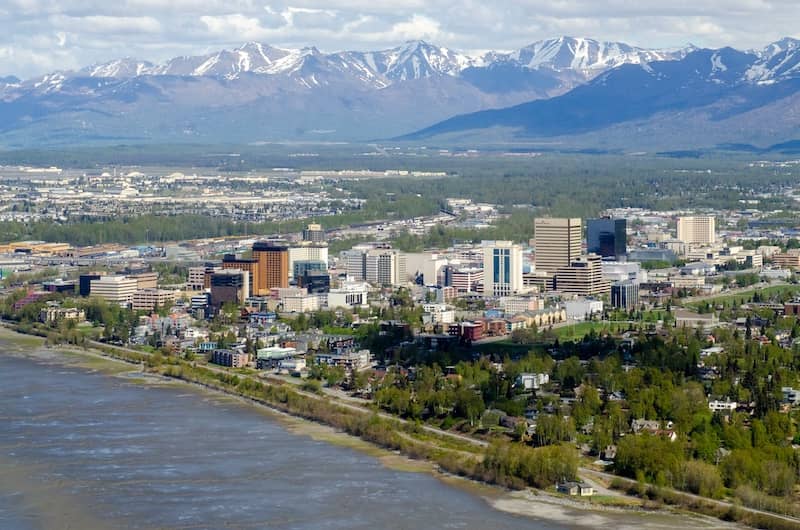
Relative to its total population, Alaska has a higher percentage of veterans than any other state, making it one of the best states for military retirees who want to find a community of people with similar experiences.
What Alaska lacks in proximity to the continental United States and daylight hours in the winter, it makes up for with access to the outdoors, near picture-perfect surroundings, and extended daylight hours in the summer.
Anchorage has a significant military footprint, with 23,000 veterans, the VA Alaska health care system, and Joint Base Elmendorf-Richardson. These resources provide care options to eligible veterans and access to retiree services, which include referrals to various benefits and an annual retiree appreciation day.
The city also has a median home price of $425,000, according to January 2026 data from Redfin, making it more affordable than a few other places on our list.
Colorado Springs, Colorado
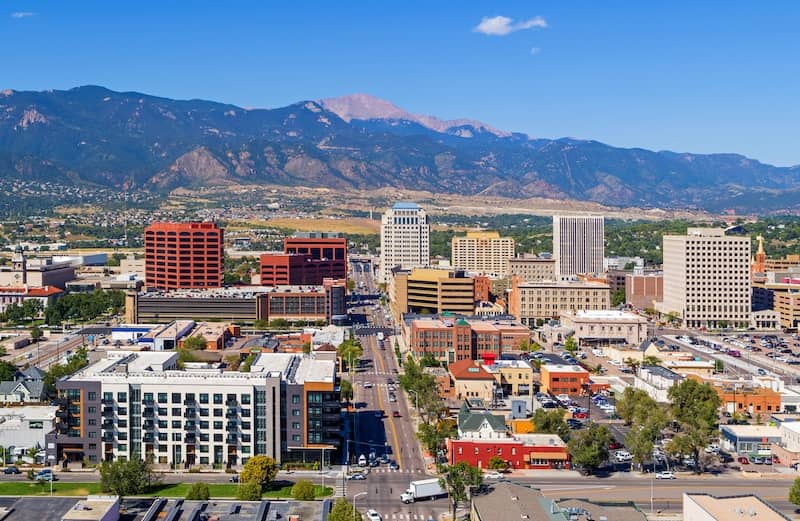
VA health care access, a strong job market with many defense employment opportunities, and plenty of outdoor activities make Colorado Springs a solid option for veterans who are focused on better quality of life in retirement. Multiple military installations in the area – such as Fort Carson, Peterson and Schriever Space Force Base, and U.S. Air Force Academy – mean veterans also have access to a supportive community.
Housing prices are slightly higher in Colorado Springs, with a median home price of $445,000 in February 2026. That hasn’t stopped veterans from moving here: More than 52,000 veterans call the city home.
Even though it does have state income tax, Colorado offers favorable tax treatment for military retirement benefits, with age-based exclusions that reduce tax burdens for veterans.
Fayetteville, North Carolina
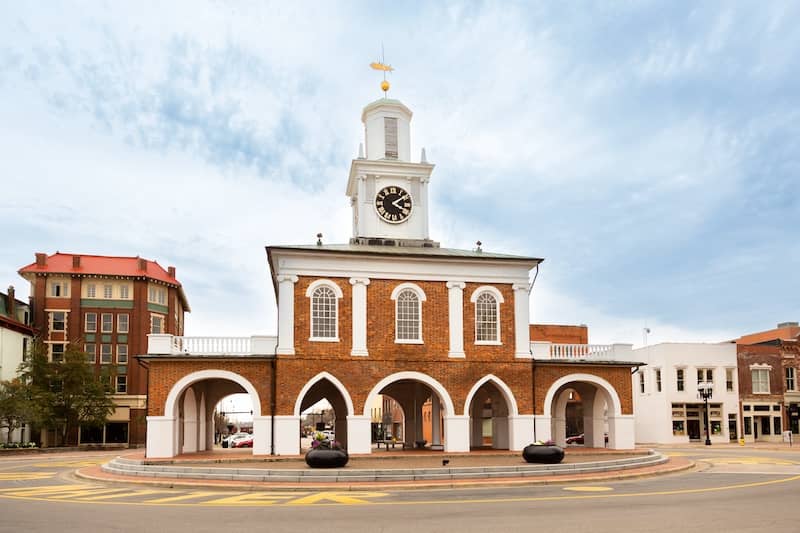
Fayetteville is located not far from Fort Bragg, the largest Army base in the country.
With a median home value of $230,000 in January 2026, Fayetteville has the most affordable home prices on our list. Since 2008, the price of goods and services in Fayetteville has been cheaper than the national average.
More than 24,500 veterans live in Fayetteville, many of whom have access to health care through the Fayetteville VA Medical Center, support resources through Fort Bragg, and a job market centered around defense, manufacturing, and logistics.
Huntsville, Alabama

Nearly 18,000 veterans reside in Huntsville, the largest city in Alabama.
With a median home price of around $330,000, Huntsville presents lower barriers to veteran homeownership compared to many other U.S. cities. The city’s community development department also offers a homeownership assistance program for eligible first-time buyers.
Huntsville’s affordability is buoyed by a solid job market. Redstone Arsenal, a major military base known for its rocket and missile programs, anchors a strong defense ecosystem and drives related job opportunities with local aerospace and defense companies.
Oklahoma City

Like its Southern counterparts, Oklahoma City offers an advantage in affordability. Its median home value hovers around $257,000.
Veterans can also find a sense of belonging and community in Oklahoma City, where more than 38,000 veterans reside. The VA Oklahoma City health care system serves nearly 75,000 veterans across the greater metro area while employing many of them – veterans make up 27% of the organization’s staff.
Veterans who want to explore other post-military careers may be drawn to Oklahoma City as a growing tech and entrepreneurship hub. The state and city offer many business resources for veterans, including Veteran Business Outreach Centers, the Veterans Entrepreneurship Program at Oklahoma State University in nearby Stillwater, and even a free veteran business conference.
Reno, Nevada

Nevada is one of the few states with no income tax. However, home prices are significantly higher in Reno, at $512,000.
Like the other cities on our list, Reno has a military installation nearby – Naval Air Station Fallon – and provides veterans care through the VA Sierra Nevada health care system. There’s a sizable veteran community in Reno as well, with more than 15,400 veterans calling the city home.
Reno’s appeal includes its picturesque surroundings. It’s located at the base of the Sierra Nevada mountains and is close to Lake Tahoe, perfect for outdoorsy veterans who want to stay active and engage in activities like hiking, mountain biking, boating or skiing.
San Antonio

San Antonio’s cost of living is enviable compared to other major cities. Residents enjoy Texas’ lack of state income tax, and the median home price in San Antonio is around $250,000, so a veteran’s income can stretch a lot further in the city.
The South Texas veterans health care system, a network of 18 hospitals and clinics, provides care to veterans in the San Antonio area. More than 90,000 veterans live in the city.
San Antonio is also a major military hub. Joint Base San Antonio, the largest joint base in the U.S. Department of Defense, is located in the city and comprises four primary locations, including Camp Bullis, Fort Sam Houston, Lackland Air Force Base, and Randolph Air Force Base.
“A lot of people want to be within 15 to 20 minutes to Lackland,” Fatheringham says. “They're also looking for a community they can feel not only safe in, which is probably normal for anybody, but a place that they can fit in.”
Sioux Falls, South Dakota

A city of nearly 210,000, Sioux Falls offers both lower housing costs and a strong military community for veterans. The median home price is $333,750, which means homes in Sioux Falls are much cheaper than the $423,039 sticker price of the average U.S. home. And South Dakota Air National Guard’s 114th Fighter Wing operates out of Joe Foss Field in Sioux Falls.
That military presence extends to the Sioux Falls VA health care system, which is affiliated with 40 universities and colleges in the region. The health care system is also a major research hub, and provides everything from primary care to mental health care services for the more than 9,000 veterans who live in the area.
Tampa and St. Petersburg, Florida
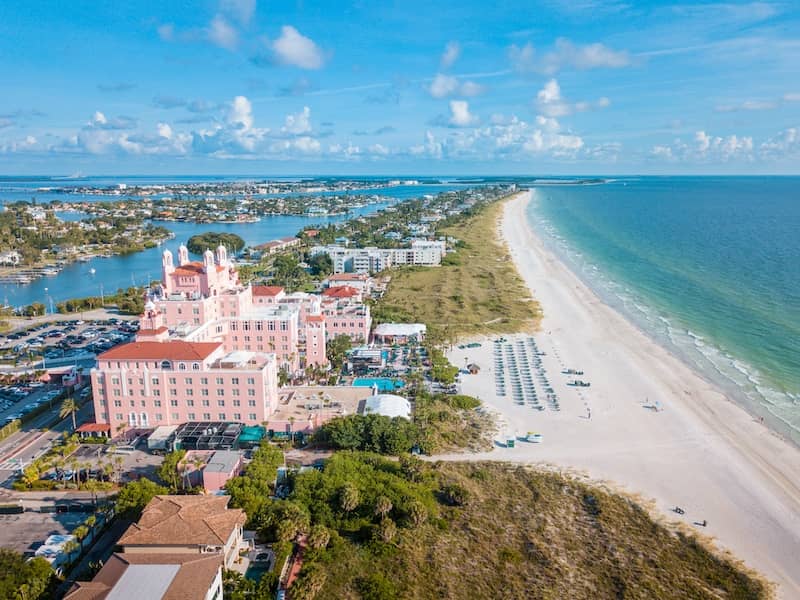
The Tampa Bay area, which encompasses Tampa, St. Petersburg, and Clearwater, has long been a go-to destination for veterans.
Tampa and St. Petersburg are home to more than 35,000 veterans, who have access to both James A. Haley Veterans’ Hospital and MacDill Air Force Base in Tampa. MacDill also has a retiree activities office that provides health care information, referrals for financial assistance, and other resources to local veterans.
While housing costs are slightly higher than the national average – the median home price in Tampa is $455,000 – Tampa and St. Petersburg benefit from Florida’s lack of state income tax.Virginia Beach, Virginia
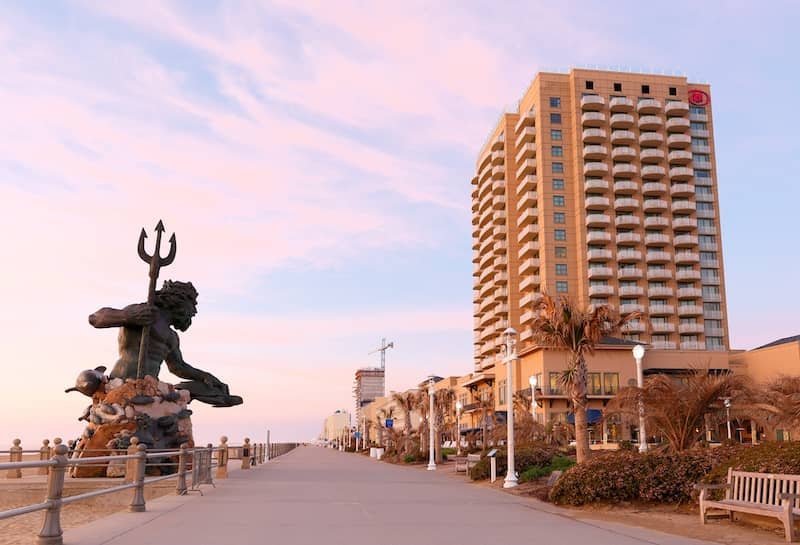
The median home price in Virginia Beach is $399,500, so it’s a relatively affordable housing market while still offering access to amenities like a bustling boardwalk and 35 miles of beautiful coastline. Plus, Virginia partially exempts qualified military retirement benefits from income taxes.
Virginia Beach is home to 52,000 veterans across its 245 square miles. Veterans make up about 11% of the city’s population, compared to a national average of about 5%.
Visitors and residents are reminded of the region’s military presence as they travel across the area and see Navy installations, a huge VA medical center, and historic sites like the Military Aviation Museum.
Methodology
In January 2026, Rocket Mortgage surveyed 1,139 American adults age 18 and older – all active-duty or retired service members of the U.S. armed forces or their spouses – to learn about their priorities for retirement.
For our list of great places for veterans to retire, we layered those insights with public information on military base and VA hospital locations, the estimated number of veterans in the area, housing prices, and more.
Rocket Mortgage is a trademark of Rocket Mortgage, LLC or its affiliates.
Rocket Mortgage is a VA-approved lender, not endorsed or sponsored by the Dept. of Veterans Affairs or any government agency.

Satta Sarmah Hightower
Satta Sarmah Hightower is a Boston-based freelance writer, focusing on enterprise technology, finance, and health care coverage.
Related resources

6-minute read
How many times can you use a VA loan?
There’s no limit to the number of VA loans qualified borrowers can take out, but you usually can’t hold multiple VA loans at once. Let’s break...
Read more

7-minute read
VA loan limits for 2026: What you need to know
Loan limits cap the amount you can borrow for a mortgage, but VA loans usually don't have a limit. Learn when a loan limit might apply and how they work.
Read more

8-minute read
VA loan vs. conventional loan: Key differences
Compare VA loan vs. conventional loan requirements, costs, benefits, and drawbacks to choose the right mortgage. Learn key differences and apply today.
Read more