Airbnb investment property: Can it be profitable?
Contributed by Sarah Henseler
Updated Nov 12, 2026
•10-minute read

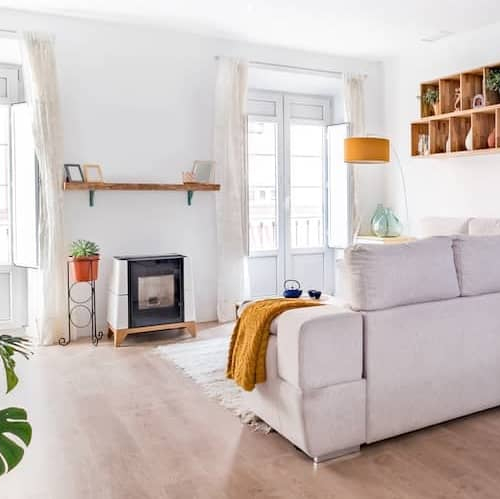
An Airbnb investment property is real estate you buy or use to host short-term guests for income. While an Airbnb property can be profitable, your booking revenue needs to consistently beat your total ownership and operating costs to make it happen. This might seem like easy, hands-off cash flow, but a successful investment property requires careful planning. Profitability hinges on steady market demand, smart financing, hands-on management, and local laws.
Key takeaways:
- Short-term rentals can bring in higher nightly rates than long-term leases, but earnings fluctuate with travel seasons.
- Up-front costs reach beyond the purchase price to include a 20% – 25% down payment, furnishing, closing fees, and healthy cash reserves.
- Local zoning, permits, and tax rules determine whether you can run a vacation rental legally and profitably.
What is an Airbnb investment property, and how does it work?
An Airbnb investment property is a residential space offered to travelers for short visits through the Airbnb platform. Short-term rental investing is the broader business strategy of buying, preparing, and managing these properties for recurring profit.
Find and evaluate the property
Your journey starts by selecting a property in an area that attracts regular visitors. You'll want to study travel demand, typical nightly prices, and city rules while anticipating guests’ needs, including accessibility features such as step-free entry. Many beginners begin by exploring the basics of real estate investing and buying a rental house to see if the numbers make sense before making an offer.
Set up and list the property
Before welcoming your first guest, you need to prepare your space. That means comfortable furniture, hotel-quality bedding, fast Wi-Fi, and a well-stocked kitchen. Professional photos can help your listing stand out in search results. Write a clear, accurate description, outline your house rules, and set your nightly rates.
Manage guests and operations
Hosting requires ongoing attention. This means responding to guest messages, scheduling professional cleanings between checkouts, restocking supplies, and handling maintenance emergencies. Make sure your revenue outpaces your expenses. Many owners enjoy managing rental properties directly, while others prefer hiring a property manager to save time in exchange for a cut of the revenue.
See what you qualify for
How to buy an Airbnb investment property
Buying a vacation rental takes more steps than purchasing a primary home. Following a clear plan keeps you organized while protecting your wallet.
Research the short-term rental market
Start by looking at real data rather than just following your gut. Check occupancy rates, average daily rates (ADR), seasonal swings, and changes in housing supply. Analytics tools like AirDNA can help you find what might be the best markets to fit your goals, but treat all third-party projections as estimates rather than guarantees.
Compare property types and investment approaches
Decide what type of home fits your budget and lifestyle. You might consider a turnkey Airbnb that's already furnished, or look at converting a single-family home into a short-term rental property. An already operating Airbnb property offers past booking records, while smaller vacation homes or condos may require less upkeep.
Verify short-term rental rules
Before you fall in love with a home, check city zoning codes, required permits, and lodging tax rules. Some towns cap rental days per year or ban whole-home rentals entirely. Always review neighborhood homeowners association (HOA) policies, as private association bans can stop your business before it starts.
Get preapproved and complete due diligence
Secure your mortgage preapproval early so you know how much buying power you have. Work with a knowledgeable real estate agent who understands investment properties. When you make an offer, include inspection contingencies, confirm which furnishings stay with the home, and verify any transfer rules for existing future bookings.
Take the first step toward the right mortgage
Apply online for expert recommendations with real interest rates and payments
How does an Airbnb differ from a traditional rental property?
Both models involve renting real estate, but they function as two entirely different businesses.
Income potential and predictability
An Airbnb lets you adjust prices daily based on demand, which can lead to higher gross income during peak travel seasons. However, traditional leases can deliver more reliable revenue for an entire year. If you prefer steady, predictable cash flow over seasonal spikes, reviewing the local price-to-rent ratio can help you decide which path makes sense.
Management and operating responsibilities
A conventional rental usually has one tenant who pays their own electric and internet bills. Conversely, an Airbnb host welcomes dozens of guests each year, covers all utility bills, provides clean sheets, and coordinates frequent turnarounds. It’s an active hospitality business rather than a passive property lease.
Is an Airbnb investment property profitable?
While an Airbnb can make good money, profits are never guaranteed. Your actual take-home earnings depend on travel demand, nightly rates, operational costs, debt service, and local regulations.
Factors affecting Airbnb rental revenue
Your income is shaped by your nightly rate, occupancy levels, and local competition. Peak travel seasons in beach or mountain towns bring big windfalls, while off-seasons require tighter budgeting. Features like hot tubs, pet-friendly yards, and dedicated workspaces can boost bookings. Watching general housing market indicators will help you spot shifts in travel demand.
How to calculate Airbnb return on investment (ROI)
To understand the return on investment for your Airbnb, evaluate these key metrics:
- Gross rental revenue. The total money guests pay for stays and fees.
- Operating expenses. All recurring costs like cleaning, utilities, supplies, platform fees, taxes, and repairs.
- Net operating income (NOI). Gross revenue minus operating expenses.
- Debt service. Your monthly principal and interest loan payments.
- Cash flow. What remains after subtracting your debt service from NOI.
- Cap rate. Your annual NOI divided by the purchase price, showing return without loan financing.
- Cash-on-cash return. Your annual cash flow divided by the actual cash you invested up-front.
Reviewing overall rental property returns and tracking your total ROI in real estate keeps your investment grounded in clear math.
How to stress-test occupancy and seasonality
Never build your financial plan around high occupancy rates. Run test calculations assuming lower occupancy during slower winter or colder months. If your property can still cover its mortgage and utility bills during low season, your investment is much safer.
Airbnb versus conventional rental profitability example
Consider this hypothetical comparison of a property in Los Angeles to see how cash flow works:
|
Financial metric |
Los Angeles Airbnb rental |
Los Angeles traditional rental |
|
Average rate |
$220 average daily rate |
$2,600 monthly rent |
|
Average occupancy |
65% occupancy |
100% occupied (annual lease) |
|
Gross monthly revenue |
~$4,300 |
~$2,600 |
|
Operating expenses |
~$1,500 (~35% for supplies, utilities, cleanings) |
~$1,040 (~40% for maintenance, taxes, management) |
|
Net operating income |
~$2,800 (before mortgage) |
~$1,560 (before mortgage) |
While the short-term rental requires more hands-on time, it also generates higher net operating income. When you finance the property, your monthly mortgage payments will reduce both profit figures accordingly.
Get approved to buy an investment property
Rocket Mortgage® lets you get started, sooner
How much does an Airbnb investment property cost?
Understanding total Airbnb investment property costs up-front prevents painful financial surprises.
Up-front costs
Buying and launching a rental requires meaningful capital:
- Down payment. Lenders typically require a down payment of 20% – 25% for non-owner-occupied investment properties.
- Closing costs. Plan for an extra 3% – 6% of the loan amount to cover title insurance, appraisal, and lender fees.
- Furnishing budget. You’ll need to establish a budget to furnish, decorate, and stock the home with essentials.
- Setup and permits. Licensing fees, smart locks, initial safety gear, and minor repairs.
Ongoing operating expenses
Every month, hosts pay recurring operational bills:
- Your mortgage payment, including principal, interest, taxes, and insurance.
- Airbnb platform and service fees taken directly from host payouts.
- Electric, water, gas, and high-speed internet.
- Professional cleaning fees and laundry between guest visits.
- Restocking coffee, toiletries, paper products, and linens.
- Routine property maintenance, lawn care, and software subscriptions.
Cash reserves
Prudent investors maintain dedicated cash reserves. Keeping 3 – 6 months of mortgage payments and operating expenses in savings protects you against off-season lulls in demand or unexpected repairs or other expenses.
What rules, taxes, and insurance apply to Airbnb properties?
Short-term rentals operate in a closely watched legal space. Staying compliant protects your business from heavy fines.
Short-term rental regulations
Cities across the country enforce specific rules. These can include mandatory host licenses, safety inspections, primary-residence mandates, and limits on total rental days per year. Some communities ban whole-unit vacation rentals completely. Check local codes and HOA bylaws before making an offer.
Occupancy taxes and income taxes
As a host, you may be required to collect and remit local transient occupancy taxes (TOT) or lodging taxes where required. You are also responsible for federal and state income taxes on host earnings. Review how taxes on rental income are handled and talk to a certified tax professional to claim deductions like depreciation and operating costs correctly.
Insurance and liability
Don’t rely on standard homeowners insurance to cover business hospitality or short-term paying guests. While Airbnb offers AirCover protection, you should carry a dedicated short-term rental insurance policy or commercial liability rider to protect your assets against guest injuries or property damage.
How can I finance an Airbnb rental property?
Financing an investment home differs from buying a primary residence, but multiple mortgage solutions exist.
Conventional investment property mortgage
A conventional loan backed by Fannie Mae or Freddie Mac is a common choice. You’ll need strong personal credit, verifiable income via W-2s or tax returns, and 20% – 25% down.
DSCR loan
A debt service coverage ratio (DSCR) loan qualifies you based on the projected rental income of the property rather than your personal income. If the home's anticipated revenue covers its monthly debt payment by a set margin, lenders can approve the loan. Explore Airbnb-specific financing to see if a DSCR option fits your portfolio goals.
HELOC or cash-out refinance
If you have built substantial equity in your primary home, you can tap it using a home equity line of credit (HELOC) or cash-out refinance to cover your down payment and furnishing expenses.1 Just weigh the risks carefully, as this puts a lien on your personal residence. Rocket Mortgage does not offer HELOCs at this time, but we do offer a cash-out refinance.
Portfolio loans, cash purchases, and partnerships
Community banks and private portfolio lenders keep loans on their own balance sheets, offering flexible terms for unique properties. If you have available capital, buying with all cash eliminates mortgage interest entirely. You can also team up with equity partners to split purchase costs and management duties.
Pros and cons of Airbnb investments
Looking honestly at both sides helps you decide if short-term rentals fit your lifestyle.
Pros
- Higher revenue potential: High nightly rates in markets with strong travel demand or near major attractions can beat conventional long-term rental income.
- Calendar flexibility: You can block out dates for personal use, holidays, or trips whenever you want.
- Dynamic pricing control: You can raise prices during sports tournaments, festivals, and other high-demand events to maximize revenue.
- Tax deductions: Write off utilities, cleaning fees, mortgage interest, and depreciation against rental income.
If you prefer less day-to-day work, you can also learn about generating passive income through real estate using hands-off investment strategies.
Cons
- Heavy up-front investment: Buying, closing, and decorating costs add up quickly.
- Ongoing operating overhead: You’re responsible for all utilities, guest supplies, and platform commissions.
- Seasonal income swings: Bookings can dry up during colder or off-peak months.
- Time demands: Managing guest check-ins, messages, and cleanings can feel like a second job.
- Changing local regulations: Cities can vote in new rental bans or tax hikes with short notice.
Alternatives to buying an Airbnb investment property
If buying a standalone house feels out of reach, there are ways to invest in Airbnb without owning property or taking on heavy debt.
Airbnb arbitrage and co-hosting
Rental arbitrage involves signing a long-term lease on an apartment or house with the landlord's written permission, then listing it on Airbnb. You keep the difference between your booking revenue and monthly rent. Co-hosting lets you manage guest communication, cleanings, and listings for other property owners in exchange for 10% to 20% of their booking revenue.
Turnkey Airbnb investments and REITs
A turnkey short-term rental is already furnished, permitted, and operating with a management team in place. For fully hands-off exposure, consider hospitality-focused real estate investment trusts (REITs), which let you invest in vacation property portfolios like buying stocks. You can also try house hacking by renting out a spare bedroom or basement in your primary home.
Tips for maximizing your Airbnb investment
Running a profitable property requires treating your listing like a hospitality business.
Choose a high-demand location and suitable property
Pick markets with steady year-round demand. Using platforms like AirDNA can point you toward markets with strong occupancy and nightly rates, based on current data. Ensure the home layout matches guest demand, whether that's a small downtown studio for solo travelers or a larger home for groups.
Use data to evaluate performance
Monitor your listing's booking pace, market ADR, and cancellation trends. Compare your pricing to nearby competition to stay competitive without giving away value.
Optimize the listing, pricing, and operations
Invest in crisp, professional photography and write clear amenity descriptions. Use automated pricing software to adjust rates during local events. Install keyless smart locks to make check-in effortless, and install smart thermostats for better home energy efficiency. These small upgrades help boost long-term cash flow.
Avoid common first-time host mistakes
Never assume your property will stay 100% booked. Avoid skimping on quality linens, ignoring guest messages, or skimping on professional cleanings. Most importantly, never buy an investment home without verifying local rental laws first.
FAQ
Here are the answers to some common questions about Airbnbs.
Is Airbnb a good investment?
Yes, an Airbnb can be a profitable investment if you purchase in an area with steady travel demand, follow all local laws, budget for seasonal lulls, and keep operating costs controlled.
What is replacing Airbnb?
Nothing has replaced Airbnb, but competitors like Vrbo, Booking.com, and niche platforms like Furnished Finder offer viable alternatives for hosts and travelers.
How is an Airbnb different from a hotel?
Airbnbs offer private homes, kitchens, and local neighborhood living, whereas hotels provide standard rooms with daily housekeeping, on-site front desks, and bundled amenities.
What is the 2% rule for rentals?
The 2% rule suggests monthly rent should equal 2% of the purchase price. While used as a rough screen for long-term rentals, short-term rentals require deeper analysis of nightly rates, occupancy, and operating expenses.
How many Airbnb rental properties can I own?
There is no legal limit to how many you can own. However, your portfolio size will depend on city licensing limits and your personal ability to finance multiple properties with lenders.
Do I need to live near my Airbnb rental?
No, you can operate anywhere. Many remote owners rely on local co-hosts, reliable cleaners, and property management teams to handle daily tasks smoothly.
The bottom line: An Airbnb investment property can be profitable with the right plan
Owning an Airbnb investment property can build meaningful wealth, but it isn't completely passive income. Long-term success takes realistic revenue planning, clear budgeting for setup expenses, strict legal compliance, and attentive guest service. By running your numbers carefully and stress-testing your occupancy, you can step into short-term rental ownership with confidence.
When you're ready to explore your purchase and financing options, Rocket Mortgage Home Loan Experts are here to help you take the next step.
1 Refinancing may increase finance charges over the life of the loan.
This article is for informational purposes only and is not intended to provide, and should not be relied on for, medical, legal, financial, investment, or tax advice. You should consult with a qualified professional for advice specific to your situation. Consumers should independently verify that any services, products, or programs referenced meet their needs and comply with applicable requirements.
Rocket Mortgage is a trademark or service mark of Rocket Mortgage LLC or its affiliates.

Chibuzo Ezeokeke
Chibuzo has spent more than three years on Redfin’s Content Marketing team, specializing in homeownership tips and the move-in process. He creates practical, easy-to-follow resources that help new homeowners navigate everything from settling into their first property to building long-term equity. When he’s not writing about homeownership, Chibuzo enjoys running, playing basketball, and envisioning his dream Mediterranean-style home with a spacious kitchen and plenty of natural light.
Related resources
13-minute read
How to finance an Airbnb rental: A guide for investors
You can get an Airbnb loan to buy houses to use as short-term rentals. Learn how you can use income from Airbnb rentals to get a mortgage.
Read more

7-minute read
How to calculate return on rental property
Learn how to calculate return on investment for rental properties, including formulas, examples, and tips to evaluate and improve your investment strategy.
Read more
8-minute read
Buying a rental property: Everything you need to know
Interested in buying a rental property but unsure of where to start? Explore everything you need to know before investing in rental properties.
Read more