What is an open house and how does it work?
Contributed by Sarah Henseler
Updated Aug 28, 2026
•9-minute read


Understanding what an open house is and how it functions can make stepping into the real estate journey far less intimidating. Whether you’re hunting for your dream neighborhood or preparing to sell your property, an open house serves as a welcoming, low-pressure bridge between owners and prospective buyers. It gives shoppers the freedom to explore a home in person while allowing sellers to generate widespread interest without scheduling dozens of individual appointments.
Key takeaways:
- Accessible touring: Buyers can walk through a property during set hours without needing a formal appointment.
- Convenient for sellers: Sellers concentrate buyer interest into one event to streamline feedback and offers.
- Preparation yields results: Buyers benefit from preapproval and key questions, while sellers succeed by staging, cleaning, and vacating during the event.
What is an open house in real estate?
An open house is a scheduled event where a seller and their real estate agent invite the general public to view a home that is listed for sale. Typically hosted on a weekend afternoon for a designated window of one to three hours, an open house allows prospective buyers to drop in, walk through the rooms, evaluate the floor plan, and get an authentic feel for the property at their own pace.
Unlike standard real estate appointments, an open house creates a casual, broad-exposure environment. It gives curious neighbors, casual lookers, and serious home buyers equal opportunity to step inside without feeling forced into an immediate high-pressure sales pitch. For listing agents, it presents a valuable opportunity to highlight the property's best features, gauge market interest, and collect direct feedback.
What is a broker’s open house?
A broker’s open house, often referred to simply as a broker's open, is an exclusive viewing event designed specifically for real estate professionals rather than the general public. These events are typically hosted midweek during business hours shortly after a home hits the market.
During a broker's open, the seller's real estate agent invites local buyer's agents and brokers to tour the home, evaluate its condition, and provide professional critiques on the pricing strategy and staging. It also gives local agents an early look at new inventory so they can pitch the property directly to clients in their active network who are searching for similar homes.
See what you qualify for
How do open houses work?
While an open house feels relaxed and casual to visiting buyers, a great deal of structured preparation happens behind the scenes. The full lifecycle of an open house unfolds in three distinct stages: before, during, and after the event.
Before the open house
Success at an open house relies heavily on event planning. For sellers, preparation involves deep cleaning, decluttering, staging room layouts, and securing personal valuables. The real estate agent handles marketing by placing yard signs, posting digital announcements on local listing portals, and promoting the event across social media platforms.
For buyers, the pre-event stage involves researching the neighborhood, reviewing online photos, and putting together a list of specific features to inspect in person. Getting preapproved for a mortgage before stepping through the front door is also a smart move, as it clarifies your budget and demonstrates to sellers that you are a serious, qualified buyer.
During the open house
When the open house begins, visitors are typically greeted by the hosting real estate agent near the entrance. Guests are usually asked to sign an attendance sheet or digital guestbook with their contact details and indicate whether they are already working with a real estate agent.
Once signed in, visitors are free to wander through the public areas, bedrooms, and yard. The host remains available to answer questions about the property, point out recent upgrades, and provide property detail sheets. Buyers can spend as much or as little time as they need within the scheduled window, taking notes and taking mental stock of the space.
After the open house
After the event concludes, the listing agent compiles visitor sign-in sheets and feedback forms to review with the seller. This debrief helps sellers understand buyer impressions regarding price, layout, and overall condition, allowing them to make strategic adjustments if necessary.
For interested home buyers, the post-open house phase is time for action. Buyers debrief with their own real estate agent to analyze how the property fits their budget and needs. If the house feels like the right fit, the buyer's agent will draft and submit a formal purchase agreement.
Take the first step toward the right mortgage
Apply online for expert recommendations with real interest rates and payments
Open house vs. private showing: What’s the difference?
While open houses and private showings both allow prospective buyers to tour a property in person, they offer distinctly different experiences.
A private showing is a scheduled appointment where a prospective buyer tours the home accompanied exclusively by their own real estate agent. In contrast, a public open house allows anyone to drop in during a designated window alongside other visitors.
Here is a side-by-side comparison of how these two home viewing formats differ:
|
Feature |
Open house |
Private showing |
|
Appointment requirements |
None; walk in during host hours |
Required; booked in advance through agents |
|
Buyer privacy |
Public; shared space with other guests |
Private; limited to buyer and their agent |
|
Agent interaction |
General Q&A with the listing agent |
Dedicated focus with buyer's agent |
|
Seller preparation |
One concentrated cleaning/prep session |
Multiple prep sessions for individual tours |
|
Atmosphere |
Casual, low-pressure browsing |
Focused, detailed evaluation |
How to prepare for an open house
Whether you are hosting an open house as a home seller or attending one as a prospective buyer, proper preparation helps you maximize the opportunity.
As a buyer
Preparing allows you to evaluate properties efficiently and keep your home search moving forward smoothly:
- Research the neighborhood: Check nearby school districts, local amenities, commute times, and recent sales of comparable properties prior to arriving.
- Get mortgage preapproval: Having a mortgage preapproval letter in hand gives you a clear understanding of your purchasing power and shows sellers you are ready to make a firm offer.
- Bring a home buying checklist: Keep track of essential criteria in a home buying checklist, like bedroom count, storage, yard size, and functional layout, to compare homes objectively.
- Prepare targeted questions: Jot down questions you have about the property regarding age, recent updates, and utility costs.
- Take notes and photos: Ask the host for permission before snapping pictures, and jot down quick notes so property details don't blur together later.
- Respect the property and seller's privacy: Follow house rules, don’t open closed drawers or medicine cabinets, and avoid making negative commentary aloud while touring.
As a seller
To make a positive impression on every prospective buyer who walks through your door, follow this preparation checklist:
- Deep clean top to bottom: Ensure floors, windows, countertops, and appliances are spotless.
- Declutter and depersonalize: Clear off kitchen counters, organize closets, and pack away family photos, personal items, and religious memorabilia so buyers can visualize themselves living in the space.
- Complete minor repairs: Fix leaking faucets, touch up scuffed wall paint, and ensure all door handles and cabinet latches work properly.
- Stage strategically: Arrange furniture to maximize natural light, highlight room flow, and make spaces feel as large as possible.
- Secure valuables and private information: Lock away prescriptions, financial documents, jewelry, and small electronics in a secure safe or transport them off-site.
- Plan to vacate the premises: Arrange for family members and pets to leave the property during the open house so buyers feel free to speak candidly and tour without feeling self-conscious.
Questions to ask at an open house
An open house is a great opportunity to gather detailed information directly from the listing agent. Asking thoughtful open house questions can reveal crucial details about the home's condition, the seller's position, and potential transaction hurdles.
Questions about the home
- How old are the roof, HVAC system, and water heater?
- Have any major renovations or additions been completed, and were they properly permitted?
- What are the average monthly costs for utilities and homeowners association (HOA) fees?
- Are there any known structural, plumbing, or electrical issues that will need immediate attention?
Questions about the seller’s timeline
- How long has the home been listed on the market?
- Has the asking price been adjusted since the initial listing?
- Is the seller looking for a specific closing date or flexibility around moving timelines?
- Has the seller already purchased their next property?
Questions about offers
- Are there any existing offers currently on the table?
- Has the seller set a specific deadline for receiving all written offers?
- Is the seller open to providing seller concessions toward closing costs or repair credits?
The pros and cons of open houses
Open houses offer distinct benefits and potential drawbacks depending on which side of the transaction you are on.
Pros for sellers
- Increased market exposure: Draws a concentrated volume of potential buyers to the property in a short timeframe.
- Potential for competitive offers: High foot traffic can create a sense of buyer urgency, sometimes leading to multiple competitive offers.
- Consolidated viewing effort: Preparing the home once for a multihour open house requires less repetitive daily effort than scheduling multiple individual private showings.
- Immediate feedback: Provides immediate commentary from real visitors regarding pricing, layout, and staging presentation.
Pros for buyers
- Low-pressure environment: Allows buyers to explore the property at their leisure without feeling put on the spot by a dedicated host.
- Convenient drop-in timing: Offers flexible weekend time frames that easily fit into busy schedules.
- Direct access to listing information: Gives buyers a direct avenue to ask the listing agent practical questions about the property.
- No commitment needed: Lets buyers tour homes freely without committing to a private showing appointment or contract.
Cons for sellers
- Attracts unqualified visitors: Draws curious neighbors, casual browsers, and unqualified buyers who are not ready or able to make an offer.
- Privacy and security trade-offs: Invites strangers into your living space, creating minor security risks if personal belongings aren't properly locked away.
- Labor-intensive preparation: Requires rigorous deep cleaning, staging, and coordination to get the home picture-perfect.
Cons for buyers
- Crowded conditions: Busy events can make it difficult to view rooms comfortably or speak privately with your real estate agent.
- Short window of availability: Event hours are restricted to fixed weekend slots that might conflict with work or family commitments.
- Potential sales pressure: In some instances, enthusiastic listing agents may try to push unrepresented visitors into fast decisions.
FAQ
Here are the answers to some common questions about open houses.
What is the purpose of an open house?
The primary purpose of an open house is to showcase a home to a broad audience of prospective buyers in a single, organized event. For sellers, it maximizes market exposure and buyer interest; for buyers, it offers a convenient, low-pressure way to tour properties.
Can I go to an open house without my REALTOR® or real estate agent?
Yes, you can attend an open house near you without your real estate agent or REALTOR®. When signing in at the entrance, simply note your agent's name and contact information so the listing host knows you are already represented.
How can I find an open house to attend?
You can easily locate upcoming open houses by searching online real estate search portals, reviewing local agent websites, looking for weekend directional yard signs in target neighborhoods, or asking your buyer's agent for a curated weekend list.
What is proper etiquette at an open house?
Proper etiquette includes signing in upon arrival, removing your shoes if requested, respecting locked rooms or closed storage spaces, keeping critical feedback polite while on the property, and supervising children closely during the tour.
Can you make an offer at an open house?
While you can technically express interest or submit an offer at an open house, it’s usually best to consult with your buyer's agent immediately after the event. They will help you review comparable market data, structure competitive terms, and submit a formal written purchase agreement.
Do you need to be preapproved before going to an open house?
You don’t need to be preapproved for a mortgage just to walk through an open house. However, obtaining mortgage preapproval before touring is highly recommended because it establishes your actual budget and allows you to move quickly if you fall in love with a home.
Should sellers be home during an open house?
No, sellers should not be present during an open house. Buyers often feel uncomfortable, rushed, or hesitant to speak candidly about the property when the current owner is standing nearby. It’s best for sellers to step out and let their real estate agent host the event.
The bottom line: Open houses can help buyers and sellers
Open houses remain a practical and time-tested step in the real estate journey. They offer sellers a high-visibility platform to showcase their home to multiple buyers at once, while giving prospective home buyers a comfortable, accessible way to explore properties and evaluate neighborhoods.
Whether you're casually browsing or actively hunting for your next property, attending open houses can bring welcome clarity to your home search. When you find a house that feels like the right fit, having your financing ready is key to making a confident move.
If you're ready to take the next step toward homeownership, start the mortgage approval process with Rocket Mortgage today.
Rocket Mortgage is a trademark of Rocket Mortgage, LLC or its affiliates.

Holly Hooper
Holly Hooper is a content marketing specialist at Redfin dedicated to making the home-buying and selling process easier to understand. She specializes in turning complex real estate concepts into clear, accessible guides that help readers feel supported at every step. As a military spouse who moves every few years, Holly has lived through countless transitions and brings a unique perspective on relocation, finding community, and learning new markets quickly. She’s passionate about creating content that meets people where they are—whether they’re first-time buyers, relocating families, or anyone navigating a big move.
Related resources

7-minute read
How to find open houses near you
Learn how to find open houses near you using listing sites, app alerts, agents and signs, plus what to expect when you tour. Start house hunting today.
Read more

9-minute read
Home hunting tips: How to find a house
From getting a mortgage approval to viewing homes, the house shopping process involves several big steps. Get familiar with how to find a house here.
Read more
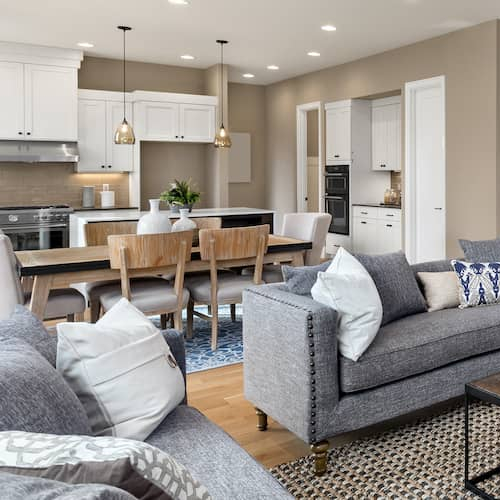
7-minute read
Are Americans closing the door on open-concept home design?
With almost half of Americans now preferring a traditional layout for their home, the appeal of open concept living has been called into question.
Read more