What is a pre-listing inspection?
Contributed by Sarah Henseler
Updated Sep 6, 2026
•8-minute read


Selling a home can feel like juggling a dozen moving parts. If you want fewer surprises, a seller’s pre-inspection lets you find issues early and choose what to fix before you list.
If you decide to sell your property and buy another one at the same time, you may be in the position of looking at inspection reports as a seller and a buyer. In this guide, we’ll explain what a pre-inspection is, how it works, how much it typically costs, its pros and cons, and how it compares to a buyer’s home inspection so you can decide if it’s right for you.
Key takeaways:
- A pre-listing inspection is ordered and paid for by the seller before listing their home to identify structural, mechanical, or safety issues early.
- A standard pre-listing inspection typically costs between $296 and $424, while specialized add-on inspections can cost an additional $125 – $660.
- Sellers must legally disclose known defects discovered during an inspection, even if they choose not to repair them before selling.
How does a seller’s pre-listing inspection work?
You may be wondering what a home inspector does that may be helpful to a seller. A seller’s pre-inspection, also called a pre-listing inspection, involves a homeowner finding a home inspector to examine a property for issues that can be addressed before the seller lists the home on the market. The inspector then provides a report on the issues identified and reasonable next steps to the homeowner. In some cases, the inspector may produce copies for potential buyers.
See what you qualify for
What does a pre-listing inspection cover?
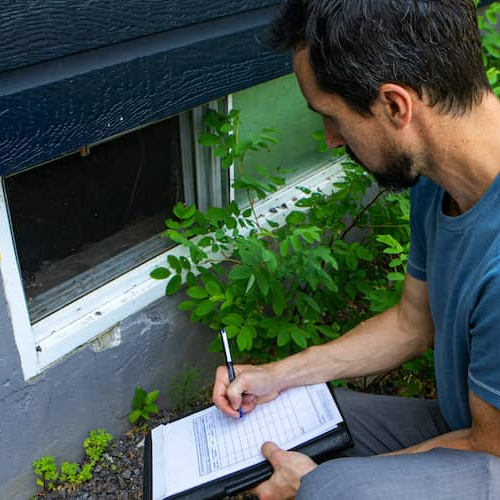
A pre-listing inspection provides an objective health check of your entire home using a comprehensive home inspection checklist. The inspector will evaluate several major categories across the property.
Structure and exterior
Your inspector will examine the physical integrity of the building. This includes checking the roof for damaged shingles, evaluating drainage, and conducting a specialized foundation inspection to look for structural settling, severe cracks, or water intrusion.
Major home systems
The inspection covers the essential mechanical systems that keep your home comfortable and functional:
- HVAC systems: Age, operation, and condition of the furnace, air conditioner, ductwork, and filters.
- Plumbing systems: Supply lines, drain lines, water heaters, water pressure, faucets, and evidence of leaks.
- Electrical systems: Main breaker panel, wiring, GFCI outlets, light fixtures, and grounding safety.
Safety hazards and environmental concerns
Inspectors check for items that could pose health or safety risks to occupants. This includes testing smoke detectors, evaluating handrails, checking ventilation, and identifying water damage.
Depending on your home's age and location, you may also choose specialized add-ons, such as a pest inspection for wood-destroying organisms or a condensed four-point inspection focusing strictly on the roof, electrical, plumbing, and HVAC systems for insurance purposes.
Take the first step toward the right mortgage
Apply online for expert recommendations with real interest rates and payments
Pre-listing inspection vs. buyer’s home inspection
While both evaluations cover the same physical systems, the primary differences between a pre-listing inspection and a buyer’s home inspection come down to timing, audience, and control.
Both types of inspection are optional, though some lenders will mandate that buyers hire an inspector.
|
Feature |
Pre-listing inspection |
Buyer’s home inspection |
|
Who orders and pays? |
The seller |
The buyer (often guided by a buyer's home inspection checklist) |
|
When does it happen? |
Before the home is listed for sale |
After an offer is accepted (during escrow) |
|
Primary goal |
Identify repairs early, price accurately, and avoid contract cancellations |
Evaluate condition, understand the appraisal versus inspection distinction, and negotiate price or repairs |
|
Control of timing |
High – seller fixes issues on their own schedule |
Low – seller faces strict deadlines under an inspection contingency |
It’s worth noting that even if you provide a clean pre-listing inspection report, most buyers will still choose to hire their own independent inspector for added reassurance – especially buyers using government-backed financing with strict VA loan inspection requirements.1
How much does a seller’s pre-listing inspection cost?
Understanding the overall home inspection cost is an essential part of budgeting for your sale. Professional home inspection services typically cost $296 – $424, with a national average of around $343.
Your actual pre-listing inspection cost depends on several key factors:
- Square footage: Larger homes require more ground to cover and take longer to evaluate.
- Age and property type: Older homes or multi-unit properties often require additional time to inspect aging systems and infrastructure.
- Geographic location: Local labor rates and regional real estate markets heavily influence baseline pricing.
- Specialized add-ons: If your initial report highlights specific issues, or if you choose to test for regional hazards upfront, specialized inspections – such as a pest inspection, foundation inspection, radon testing, or sewer scope – typically add between $125 and $660.
While paying $296 – $424 out of pocket is an up-front expense, many sellers find that uncovering hidden defects early prevents massive price drops, buyer repair demands, or contract cancellations down the road.
Need extra cash for home improvement?
Use your home equity for a cash-out refinance
Pros of getting a pre-listing inspection
Ordering an evaluation before hitting the market offers several distinct advantages for sellers.
You might avoid unpleasant surprises
Few things stress a seller out more than a buyer discovering a major defect midway through escrow. A pre-listing inspection helps you identify major issues early, and helps avoid surprises after there’s a buyer under contract.
You can prioritize and address necessary repairs
When you get an inspection report early, you can choose which reasonable requests after a home inspection you want to handle yourself. You can hire your own contractors, shop around for competitive labor rates, and complete work on your own timeline.
You may have more control over repair costs
During escrow, buyers often request high credit allowances or demand expensive, last-minute repairs from specialized contractors. By fixing issues beforehand, you control the budget and scope of the work.
You may build trust with buyers
Sharing a full pre-inspection report along with receipts for completed repairs shows potential buyers that you have cared for the property. This transparency builds buyer confidence – even for eager house hunters who might be asking if they can look at a house without preapproval – and can make your listing stand out in a competitive market.
You may support your asking price
If your inspection report proves that major systems like the roof, HVAC, and plumbing are in excellent shape, you have concrete data to justify your listing price and defend against lowball offers. If you find issues with your home before listing it, you can do the needed repairs, then set a fair price for the property, which may make it harder for buyers to negotiate.
You might speed up the sales process
Unaddressed inspection findings are a major cause of delayed closings and canceled contracts. Resolving issues early helps streamline negotiations, avoid complications with common contingencies, and keeps your transaction moving smoothly toward closing.
Cons of getting a pre-listing inspection
While a pre-listing inspection offers many benefits, there are potential drawbacks to consider.
You’ll have to cover the associated costs
You must pay for a pre-listing inspection out of pocket before you make any profit from selling your home. If your budget is tight, paying several hundred dollars up front may not feel feasible.
You may have to disclose negative findings to buyers
Real estate laws in most states require sellers to complete a formal Seller's Disclosure form detailing known defects. If your pre-listing inspection uncovers a significant problem – such as a cracked foundation or old electrical wiring – you’re legally obligated to disclose it to potential buyers, even if you don’t fix it.
The buyer’s inspection might still surprise you
No two inspectors evaluate a home in the exact same way. Even if your pre-listing report comes back clean, a buyer’s inspector might still spot an issue your inspector missed or interpret a system's condition differently.
Not every issue needs fixing
It can be easy to feel overwhelmed by an inspection report detailing minor cosmetic flaws or minor wear and tear. Spending thousands of dollars fixing small items that buyers might not have cared about can reduce your net return on the sale.
What to do if issues are found during a pre-listing inspection
If your inspection report reveals problems, knowing what to do after a home inspection can help you navigate the results step by step:
Decide which repairs to prioritize
Focus on safety hazards, structural defects, and major system failures first. These are the items most likely to cause a buyer’s mortgage lender to hold up financing or fail a formal appraisal. You can usually leave minor cosmetic flaws, like scuffed paint or aging carpet, as is.
Consider how findings affect your list price
If you choose not to fix certain major defects due to time or budget constraints, you can factor those items into your pricing strategy. Lowering your list price slightly or offering a repair credit at closing allows buyers to address the work themselves while protecting your sale from collapsing.
Keep documentation for buyers
If you hire professionals to fix items highlighted in your report, keep all invoices, permits, and transferable warranties. Attaching these documents to your seller disclosures proves that repairs were completed correctly by licensed experts. Buyers will appreciate this documentation when they perform their final walk-through before closing.
How to find and schedule a pre-listing inspection
If you decide to move forward, following a few best practices will ensure you get a thorough and reliable evaluation.
Choose a qualified home inspector
When researching how to find a home inspector, look for certified professionals affiliated with reputable national organizations like the American Society of Home Inspectors (ASHI) or the International Association of Certified Home Inspectors (InterNACHI). You can also ask your real estate agent for local recommendations.
Ask for sample reports
Before hiring an inspector, ask to see a sample inspection report. Look for reports that are clear, easy to read, and rich with detailed photos, clear descriptions, and actionable repair categories.
Review the report carefully
Plan to attend the inspection in person if possible so the inspector can point out key shutoff valves and explain minor findings. Once you receive the final written document, review every section carefully with your real estate agent to plan your next steps.
Need cash to fund your renovation project?
Apply for a refinance and see how much you can get
Should you get a pre-listing inspection?
A pre-listing inspection is not legally required, and it isn't necessary for every seller. A simple framework can help you decide if ordering one makes sense for your property.
When a pre-listing inspection may make sense
- You own an older home: Older properties are more likely to have hidden structural, plumbing, or electrical issues.
- You inherited a property: If you haven't lived in the home, an inspection helps you understand its true condition.
- You want a fast, smooth sale: If you’re relocating for work or purchasing another home simultaneously, eliminating escrow surprises is a top priority.
- You want total control over repairs: Handling fixes on your own schedule allows you to manage costs effectively.
When a pre-listing inspection may not be necessary
- Your home is brand new or recently built: Newer builds generally have modern systems and existing builder warranties.
- You are selling in a hot seller's market: In highly competitive markets, buyers are often willing to buy homes as is or waive inspection contingencies.
- You are on a strict budget: If up-front funds are tight, you may prefer to let the buyer pay for their own inspection and negotiate repairs later.
The bottom line: Know what you’re getting with a pre-listing inspection
A pre-listing inspection allows sellers to hire a professional who will inspect their home and produce a list of potential problems, as well as how to fix them. This can equip homeowners with the information they need to make their home appealing to buyers and ensure that any sale proceeds smoothly. However, inspections mean money out of pocket and may result in homeowners having to pay for costly repairs before they can list their home.
If you’re considering selling your home, you’ll still need somewhere to live. If you’re looking to buy a new home, you can apply for a mortgage with Rocket Mortgage.
1Rocket Mortgage is a VA-approved lender, not endorsed or sponsored by the Dept. of Veterans Affairs or any government agency.
Rocket Mortgage is a trademark of Rocket Mortgage, LLC or its affiliates.

Marissa Crum
Marissa Crum is a Content Marketing Specialist with 4 years of experience writing real estate and mortgage content. She focuses on home financing topics that help readers better understand mortgage options and affordability.
Related resources

10-minute read
Home inspection checklist for buyers
Use this home inspection checklist for buyers to learn how inspectors work, red flags to watch out for, and how the results can affect the transaction.
Read more

12-minute read
What does a home inspector do? Checklist, costs, and limits
What does a home inspector do? Learn what they check and skip, how to prepare, and what to ask before closing. Read our guide today.
Read more
8-minute read
12 common things that fail a home inspection
Nervous about selling your house quickly? Find out what inspectors look for, and learn more about the things that might fail a home inspection.
Read more