The 10 best places to live in the US in 2026
Contributed by Jamie Forbes, Andrew DePietro, Tom McLean
Apr 8, 2026
•10-minute read


Choosing where to live can be difficult. Everyone’s priorities are different, and what works for one person may not work for another. Some people want to stay close to family, while others are willing to go wherever work or opportunity takes them.
But when you compare cities using factors Americans care most about today – like affordability, job stability, and overall livability – a clear pattern starts to emerge, and some cities stand out more than others. Those priorities are reflected in the Rocket Mortgage rankings of the best places to live in the U.S. in 2026.
Key takeaways:
- Midwest and Southern cities – including Lincoln and Omaha in Nebraska and Orlando, Florida – lead the rankings, driven by stronger affordability, lower unemployment, and greater access to amenities.
- Western and Northeastern metros ranked lower overall as higher costs pulled down their scores despite strong livability metrics.
- Affordability remains central to livability in 2026, as cities with lower cost-of-living increases and more development space rise to the top of the list.
Finding the 10 best places to live in the US
The "best" place to live is often determined by personal priorities. Still, this ranking focuses on measurable factors that influence both financial stability and everyday quality of life.
Because affordability remains a concern for many households, financial metrics were given the greatest weight. We analyzed median home prices, rental costs, cost-of-living expenses, and unemployment and poverty rates.
Those factors were balanced with livability measures to avoid simply ranking the least expensive cities. We also evaluated access to parks, schools, and health care facilities, along with walkability, crime rates, educational attainment, and average annual temperatures.
Only cities with a population over 200,000 were included. While no ranking can account for every preference, this methodology highlights cities that offer a strong overall balance of affordability, opportunity, and livability. A full breakdown of weighted factors is available below.
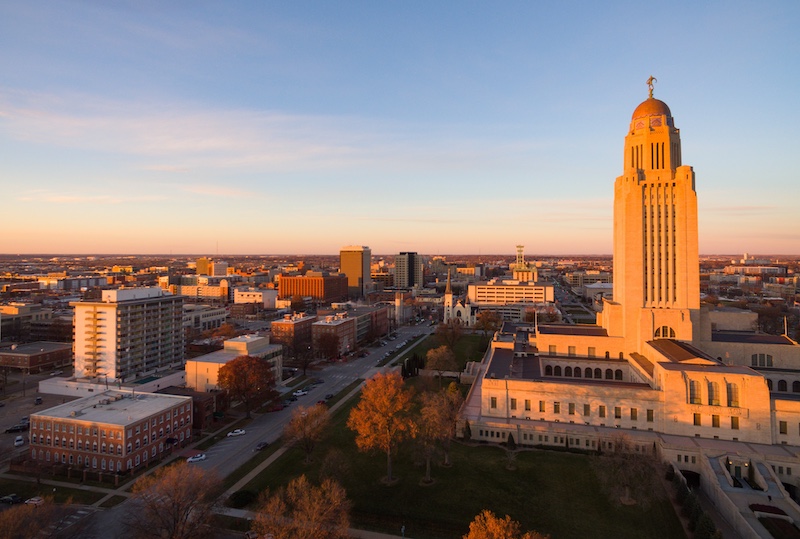
1. Lincoln, Nebraska
- Population: 294,856
- Median home price: $289,999
- Median monthly rent: $950
- Average annual temperature: 53.4 degrees
- Average Walk Score: 44/100
Taking the top spot for best places to live in 2026 is Lincoln, Nebraska, which stands out for its strong performance across both financial and livability metrics. The city scored especially well for its affordability and low cost of living. The median sale price for a house in Lincoln is $289,999, while the typical rent is $950 per month. Lower-than-average unemployment and poverty rates also bolstered its financial profile.
The city holds a strong community identity tied to the University of Nebraska, which provides a stable employment base alongside health care and manufacturing. Lincoln also scored highly on livability measures, with low crime rates and a mix of amenities that support day-to-day life. A growing arts and culture scene, with sculptures and murals dotting the cityscape, adds to its appeal. Plus, miles of trails and bike infrastructure mean many Lincoln residents don’t need to take a car when heading to work, a Huskers college football game, or the popular historic Haymarket District.
Altogether, Lincoln’s mix of affordability, opportunity, and everyday livability delivered the most balanced overall score among the more than 130 cities we analyzed, making it the best place to live in the U.S. in 2026.
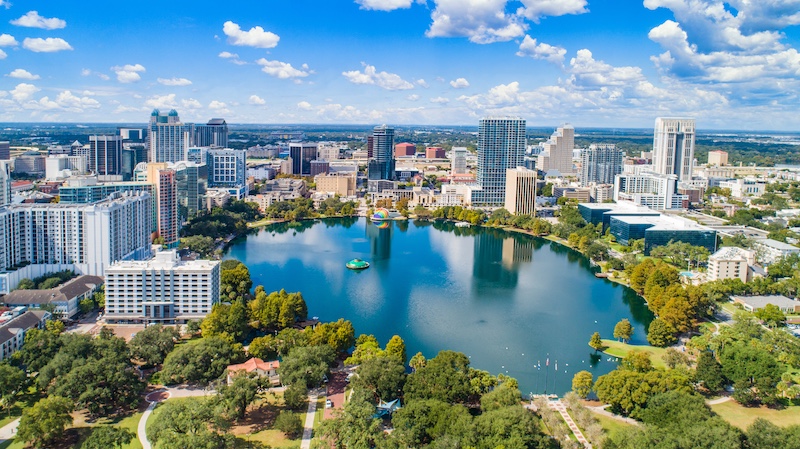
2. Orlando, Florida
- Population: 319,758
- Median home price: $400,000
- Median monthly rent: $1,589
- Average annual temperature: 74.2 degrees
- Average Walk Score: 41/100
Orlando may be known as a global vacation destination, but it also ranks among the best places to live in the U.S. In our analysis, the city ranked #1 for amenities, with an impressive number of restaurants, bars, parks, theme parks, salons, spas, and more.
While Orlando is best known for attractions like Walt Disney World, Universal Studios, and SeaWorld, tourism is only one part of Orlando's economy. Central Florida has developed a strong presence in simulation, aviation, digital technology, and life sciences, and reports relatively low unemployment rates. Recent metrics also show Orlando is a national leader in job, population, and GDP growth.
New development projects and continued investment across the city – including a wireless EV charging highway and a major league baseball stadium – are shaping Orlando’s next phase of growth. Home to over 100 lakes, multiple major league sports teams, and year-round warm weather, Orlando pairs strong livability scores with the momentum of one of the fastest-growing metros in the country.
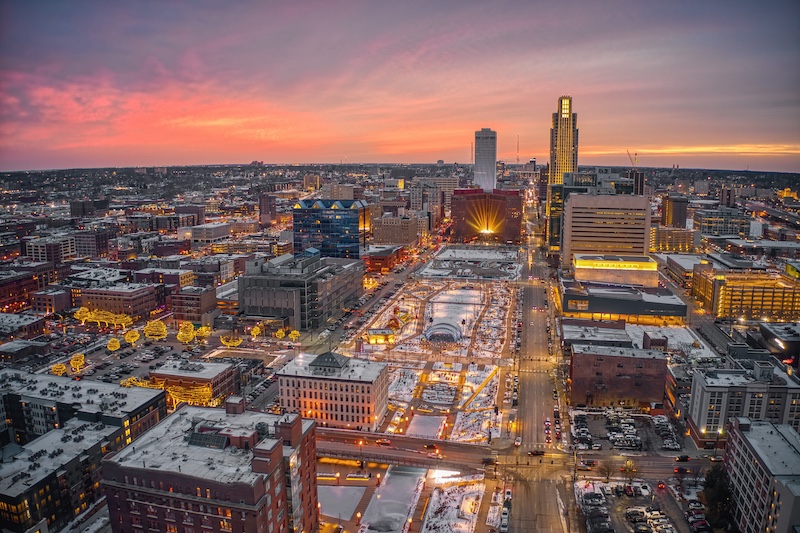
3. Omaha, Nebraska
- Population: 488,837
- Median home price: $268,500
- Median monthly rent: $1,002
- Average annual temperature: 53.2 degrees
- Average Walk Score: 48/100
Often described as having a “big small-town feel,” Omaha blends Midwestern affordability with the amenities of a larger city. This year’s high ranking was largely thanks to home prices and living expenses far below the national average.
A strong job market supports the city’s nearly 500,000 residents and keeps the unemployment rate low. Fortune 500 and Fortune 1000 companies headquartered in Omaha help drive job opportunities, while local government initiatives support small business growth.
On the livability side, Omaha stands out for its access to amenities and relatively low crime rate. Live music, museums, the historic Old Market district, and the famous Omaha zoo provide plenty to explore in the city. And while commuting typically requires a car, Omaha’s wide variety of neighborhoods means residents can choose their preferred pace of life, whether that’s slower and suburban or closer to the city’s walkable downtown.
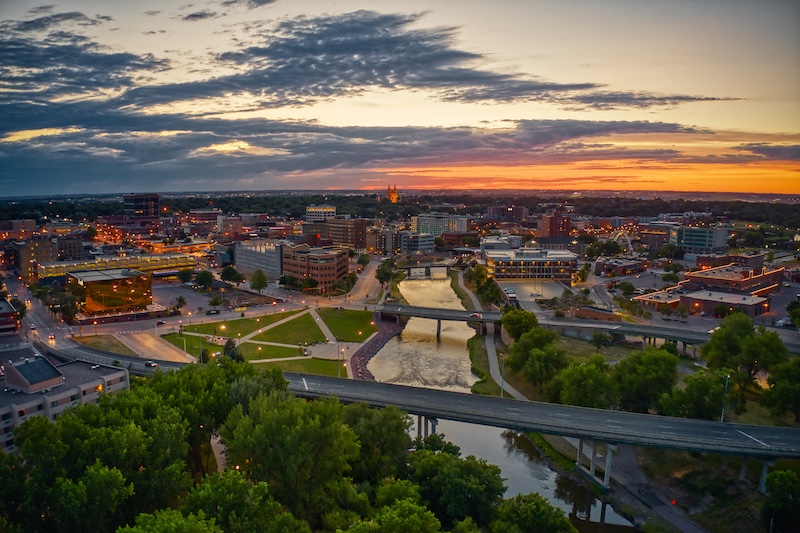
4. Sioux Falls, South Dakota
- Population: 201,469
- Median home price: $312,000
- Median monthly rent: $937
- Average annual temperature: 49.4 degrees
- Average Walk Score: 38/100
With a population just over 200,000, Sioux Falls balances suburban affordability with access to urban amenities. A major economic driver is the well-established health care sector, one of the city’s largest employers, along with steady job growth and low crime rates.
A $400 million downtown revitalization project is making way for new growth and opportunity in South Dakota’s largest city, including a booming small-business culture supported by low business costs and no state income tax.
While winters are undeniably cold, Sioux Falls offers short commute times and immediate access to trail systems and outdoor recreation. As one of the Midwest's fastest-growing metros, Sioux Falls stands out by prioritizing financial stability without sacrificing the essentials.
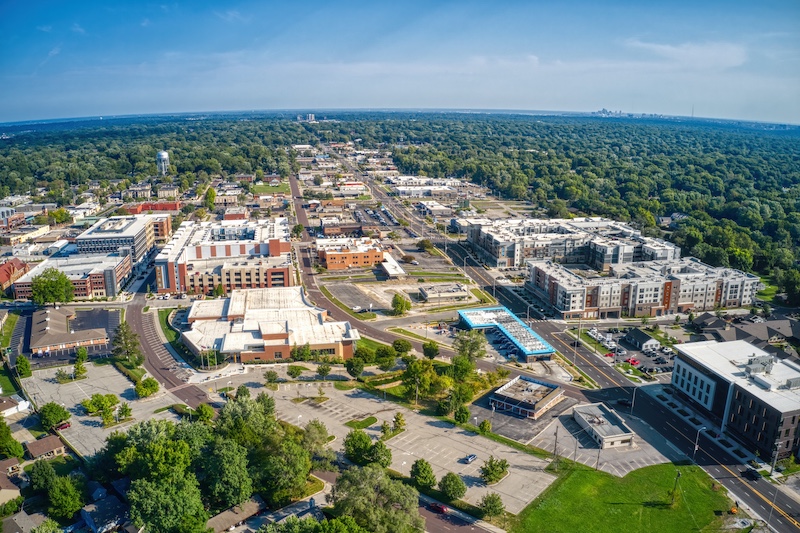
5. Overland Park, Kansas
- Population: 200,306
- Median home price: $523,000
- Median monthly rent: $1,350
- Average annual temperature: 55.8 degrees
- Average Walk Score: 35/100
Overland Park ranks fifth on our list due to its low crime rates, low cost of living, and easy access to health care, recreation, schools, and everyday services. Those factors are boosted by the city’s extensive local infrastructure, including more than 80 parks and recreation facilities.
The city also scores well financially. Overland Park benefits from the broader Kansas City metro’s economy and low unemployment rates, supporting job opportunities and relatively manageable living costs.
The city itself is home to major employers such as T-Mobile and the University of Kansas Health System. While housing costs are higher than in some nearby Midwestern cities, they remain comparatively attainable when measured against larger metropolitan areas nationwide.
Add in expansive green space, well-kept neighborhoods, and plenty of shopping and dining – including year-round farmers markets – and you end up with a balanced mix of suburban living with metropolitan conveniences. Plus, for those craving a taste of life in a big city, a Kansas City Chiefs game, or a night downtown, Kansas City is just a 20-minute drive away.

6. Boise, Idaho
- Population: 237,242
- Median home price: $500,000
- Median monthly rent: $1,330
- Average annual temperature: 55.3 degrees
- Average Walk Score: 38/100
Boise scores highly for its low unemployment and poverty rates and its low cost of living. But those strengths are only part of what makes the city an appealing place to live.
Boise is an outdoor haven in the heart of Idaho's Treasure Valley, surrounded by the rugged Sawtooth Mountains, the serene Boise River, and miles of prairie. It's great for those looking for a major city with all the fixings of a small mountain town – residents can go from work downtown to skiing at Bogus Basin within an hour.
But Boise isn’t just popular for adventurers. Families, business owners, and more are drawn to the city for its good schools, strong job market, and relatively low cost of living. Health care, retail, and manufacturing are among the city's largest industries.
Boise’s recreation opportunities, affordability, and economic opportunity have helped the larger metropolitan area grow exponentially over the last 25 years.
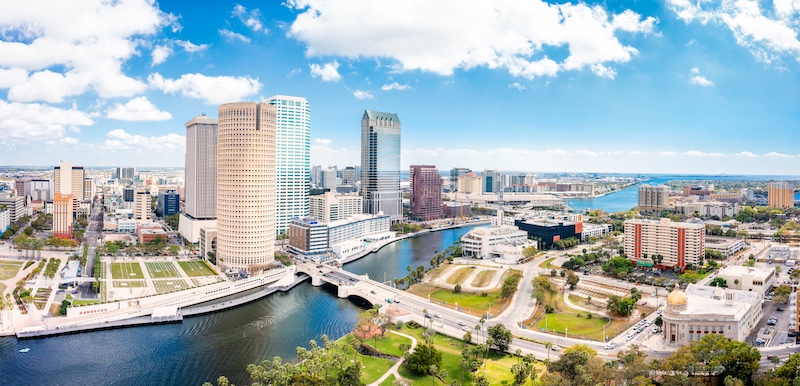
7. Tampa, Florida
- Population: 401,618
- Median home price: $462,250
- Median monthly rent: $1,536
- Average annual temperature: 75.7 degrees
- Average Walk Score: 50/100
Another Sunshine State city made this year's list, driven largely by its high livability scores. Tampa placed seventh overall for amenities out of more than 130 metros we analyzed, with prime access to restaurants, nightlife, arts and entertainment, and everyday conveniences. With pleasant temperatures most of the year, Tampa residents can spend plenty of time outdoors strolling the Riverwalk, dining al fresco, or walking to nearby shops.
Tampa also has a strong job market and relatively low unemployment. Housing costs in Tampa remain more affordable than in many coastal markets, with the median sale price sitting at around $433,000 – on par with the national average. However, home buyers may face higher insurance costs as Florida continues to navigate rising premiums tied to increasing natural disasters.
Access to beaches, waterfront parks, and year-round recreation, combined with a thriving restaurant and entertainment scene, explain why Tampa ranks among the best places to live.
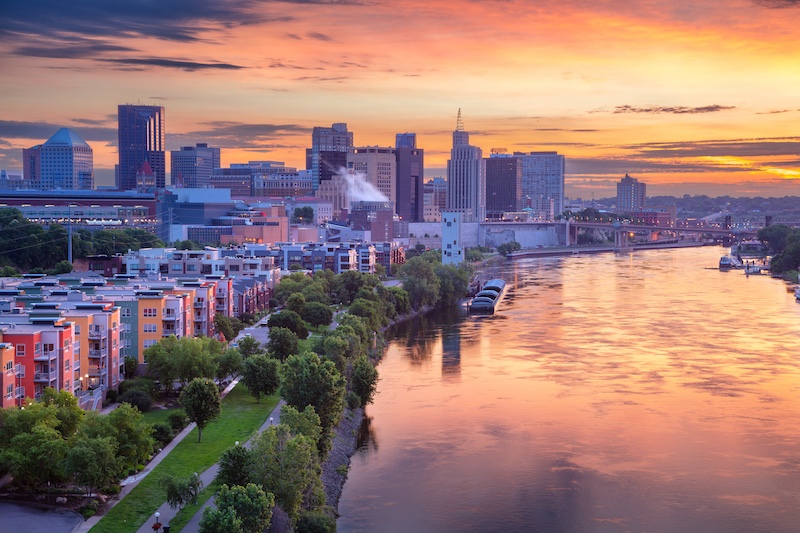
8. St. Paul, Minnesota
- Population: 307,284
- Median home price: $295,738
- Median monthly rent: $1,166
- Average annual temperature: 48.4 degrees
- Average Walk Score: 60/100
One of Minnesota's Twin Cities, St. Paul sits along the Mississippi River just across from its larger neighbor, Minneapolis. While they share a regional economy, St. Paul maintains a strong industry of its own within its network of interconnected, historic neighborhoods. Housing costs are also more affordable than in its adjoining city, with median home prices sitting below $300,000.
St. Paul also scored well for walkability, transit access, and bike infrastructure, all of which make it easier for residents to get around without a car. An enclosed skyway system spanning 5 miles allows people to walk from building to building in winter. Art, food, music, and festivals flourish throughout the city.
The city also offers more than 100 parks and over 180 miles of trails for walking and running. Winters can be long and cold, but for many, St. Paul’s infrastructure, numerous amenities, and diverse neighborhoods balance out any climate drawbacks.
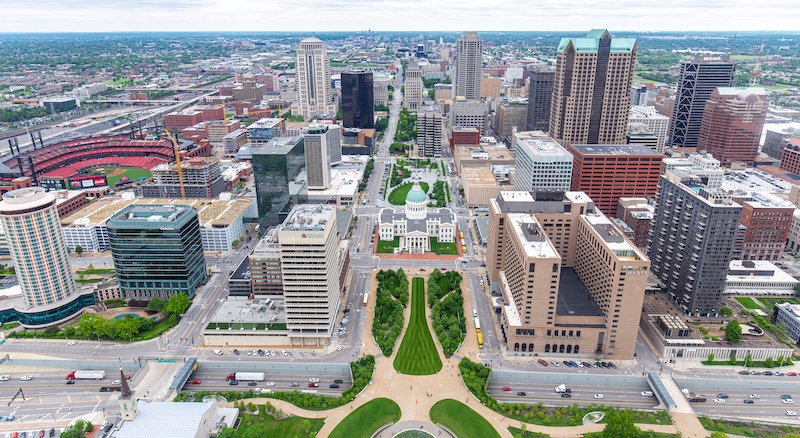
9. St. Louis
- Population: 288,512
- Median home price: $235,000
- Median monthly rent: $812
- Average annual temperature: 58.6 degrees
- Average Walk Score: 66/100
St. Louis is among the most affordable cities in the nation, with the median home price at $235,000 and typical monthly rent at $812 – both around half the national average. And houses sell quickly, too. The city's low cost of living is one of its calling cards, along with a lively sports scene and rich history.
Plus, St. Louis is investing in revitalizing the urban core north of the Delmar Divide with walkable, connected neighborhoods. While the city has a relatively high crime rate, that rate has dropped over the past 4 years, in line with the national trend.
A low cost of living, an active housing market, plenty of bars, restaurants, and parks, and a relatively walkable downtown core make the Gateway City an attractive place to live.

10. Minneapolis
- Population: 427,246
- Median home price: $350,000
- Median monthly rent: $1,255
- Average annual temperature: 48.4 degrees
- Average Walk Score: 71/100
Minneapolis is known for its parks, car-free infrastructure, and Midwestern charm. There’s a reason visitors talk about “Minnesota nice" – people here value community and connection.
Hundreds of miles of bike lanes, byways, greenways, and statewide trails connect the city to its suburbs and beyond. For example, the famous Chain of Lakes byway runs 15 miles and connects five local lakes. And residents take advantage of these amenities. Nearly half of residents commute by foot, bike, or public transit, and more than 70% say they would prefer to do so if they could. The city aims to reduce car trips to 20% of all travel by 2040.
Hundreds of parks and natural scenery make outdoor travel appealing year-round. But beyond the outdoors, there are 55 museums, multiple universities, world-class restaurants, and more – along with a robust economy.
Minneapolis ranks lower than St. Paul primarily because housing prices are higher. But relative to big coastal cities, it's a bargain.
Overall rankings: Top 25 places to live in 2026
|
Rank |
City |
State |
Region |
|
1 |
Lincoln |
Nebraska |
Midwest |
|
2 |
Orlando |
Florida |
South |
|
3 |
Omaha |
Nebraska |
Midwest |
|
4 |
Sioux Falls |
South Dakota |
Midwest |
|
5 |
Overland Park |
Kansas |
Midwest |
|
6 |
Boise |
Idaho |
West |
|
7 |
Tampa |
Florida |
South |
|
8 |
St. Paul |
Minnesota |
Midwest |
|
9 |
St. Louis |
Missouri |
Midwest |
|
10 |
Minneapolis |
Minnesota |
Midwest |
|
11 |
Richmond |
Virginia |
South |
|
12 |
Pittsburgh |
Pennsylvania |
Northeast |
|
13 |
Madison |
Wisconsin |
Midwest |
|
14 |
Lexington |
Kentucky |
South |
|
15 |
Des Moines |
Iowa |
Midwest |
|
16 |
Salt Lake City |
Utah |
West |
|
17 |
Virginia Beach |
Virginia |
South |
|
18 |
El Paso |
Texas |
South |
|
19 |
Buffalo |
New York |
Northeast |
|
20 |
Fort Wayne |
Indiana |
Midwest |
|
21 |
Wichita |
Kansas |
Midwest |
|
22 |
Amarillo |
Texas |
South |
|
23 |
Irving |
Texas |
South |
|
24 |
Oklahoma City |
Oklahoma |
South |
|
25 |
Chandler |
Arizona |
West |
Methodology
The Rocket Mortgage best places to live ranking is intended to provide an objective measure of a city’s quality of life. We aggregated and evaluated 17 factors across all U.S. cities with a population of at least 200,000. Each city received a score based on weighted factors listed below. Lower overall scores corresponded to higher rankings. Data was collected in February 2026.
Factors were divided into two categories: Finance and Livability. Finance accounted for 60% of a city’s overall ranking; Livability accounted for 40%.
Financial factors (60% of total score)
|
Factor |
Weight |
Source |
|
Median home sale price |
10% |
|
|
Median contract rent |
10% |
|
|
Unemployment rate |
7.5% |
U.S. Census Bureau, ACS |
|
Poverty rate |
7.5% |
U.S. Census Bureau, ACS |
|
Cost of groceries |
5% |
Council for Community and Economic Research (C2ER) Cost of Living Index |
|
Cost of utilities |
5% |
C2ER Cost of Living Index |
|
Cost of transportation |
5% |
C2ER Cost of Living Index |
|
Cost of healthcare |
5% |
C2ER Cost of Living Index |
|
Median days on market before contract |
5% |
Redfin housing data |
Livability factors (40% of total score)
|
Factor |
Weight |
Source |
|
Amenities composite score |
7% |
Redfin analysis of Foursquare data |
|
Violent crime rate |
6% |
|
|
Property crime rate |
6% |
FBI Uniform Crime Reporting (UCR) Program |
|
Average annual temperature |
5% |
|
|
Walk Score |
4% |
|
|
Bike Score |
4% |
Walk Score |
|
Transit Score |
4% |
Walk Score |
|
Share of population with bachelor’s degree or higher |
4% |
U.S. Census Bureau, American Community Survey (ACS) |
Amenities were grouped into the following categories and aggregated into a single score: restaurants and food trucks; bars and nightlife; health care; parks and outdoors; education; grocery and convenience; fitness and recreation; arts and entertainment; beauty and wellness; and coffee and cafes.
Amenity counts were normalized by population to produce a per-10,000-residents score for each category. This approach ensured that larger cities were not unfairly advantaged due to their size, allowing cities with fewer total amenities but stronger per-capita access to compare more equitably.
Rocket Mortgage is a trademark of Rocket Mortgage, LLC or its affiliates.

Ashleigh Potter
Ashleigh Potter is a PNW-based content writer at Rocket Mortgage and Redfin with more than five years of experience in digital marketing, content, and editorial strategy. She aims to help readers understand the nitty-gritty of home buying, selling, and lending – so big topics feel a little less overwhelming.
Related Resources

8-minute read
A guide to first-time home buyer programs, loans and grants
If you’re new to homeownership, first-time home buyer assistance programs can help you with down payments and more. Discover some of your options.
Read more
5-minute read
First-time home buyers are redefining the starter home
The definition of a starter home is changing because today’s buyers expect to stay in their first home longer – and what they’re looking fo...
Read more
10-minute read
When is the best time of year to buy a house?
Wondering about the best time of year to buy a house? We’ve broken down the most important factors to consider, including the season, weather, and price.
Read more