Blanket mortgages: How they work and when to use one
Contributed by Tom McLean
Updated Jul 25, 2026
•9-minute read

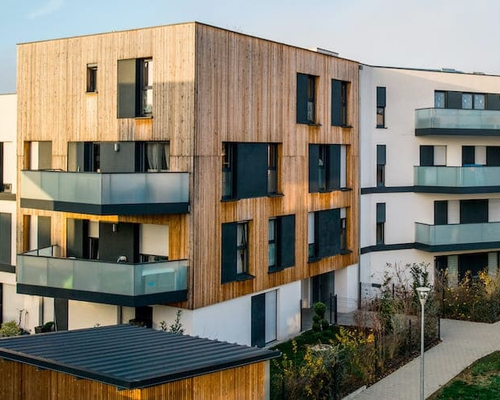
If you are an ambitious real estate investor or developer managing multiple properties, a blanket mortgage might be a useful financing tool for you. Blanket mortgages allow you to bundle the purchase of several properties together under one mortgage. While this option offers portfolio flexibility for seasoned investors and landlords, it is often not the right fit for the everyday home buyer.
Learn how these unique loans work, explore blanket loan requirements, and decide if this financing option aligns with your long-term real estate goals.
Rocket Mortgage does not currently offer blanket mortgages. This information is provided for educational purposes.
Key takeaways:
- A blanket mortgage is a single loan that finances two or more real estate properties under one agreement, consolidating your debt into one monthly payment.
- These loans typically feature a release clause, which allows you to sell an individual property covered by the loan without having to pay off the entire mortgage balance.
- While blanket mortgages can reduce your administrative burden, they also come with higher foreclosure risks, larger down payment requirements, and higher upfront origination fees.
What is a blanket mortgage?
A blanket mortgage is a loan that finances two or more pieces of real estate under one agreement.
Instead of securing separate, individual mortgages for each property you want to buy, you consolidate multiple properties into one loan to streamline the process and save costs.
All the properties bundled under a blanket loan are used collectively as collateral.
Because of the size and complexity of these loans, they are almost exclusively used by real estate developers, property investors, businesses, and commercial property owners.
See what you qualify for
How does a blanket mortgage work?
The borrower can sell or refinance individual properties while still retaining the overall mortgage. That’s one reason blanket mortgages are common among investors who buy several different fixer-uppers to renovate and sell.
One loan for multiple properties
The primary function of a blanket mortgage is consolidation. Instead of securing separate mortgages for multiple homes or commercial lots, you manage a single loan.
This means you only have to keep track of one monthly payment, one mortgage interest rate, and one escrow account for your property taxes and homeowners insurance.
This streamlined approach makes financing multiple rental properties significantly easier to manage from an accounting perspective.
What is a release clause?
Standard mortgages require you to pay off the entire loan balance when you sell the property. However, blanket mortgages typically include a release clause that permits you to sell an individual property covered by the loan without having to pay off the entire mortgage.
When you sell one of the homes, that specific property is released from the collective collateral pool after you pay an already-negotiated amount of the principal to the lender.
The rest of the blanket loan is intact for the remaining properties, and you continue paying down the principal with monthly payments.
Take the first step toward the right mortgage
Apply online for expert recommendations with real interest rates and payments
Who are blanket mortgages for?
Blanket mortgages are best for people who wish to buy multiple properties. This financing tool is ideal for:
- Experienced real estate investors managing rental portfolios
- House flippers who are buying and selling multiple homes a year
- Commercial property owners
- Businesses with multiple storefront locations
- Developers buying large tracts of undeveloped land to subdivide and build upon
When a blanket loan may not be a good fit
A blanket loan is rarely, if ever, used by standard, single-home buyers. If you are simply looking to buy a primary residence or a single vacation home, the complexities, requirements, and scale of a blanket mortgage will not serve your needs.
Types of blanket mortgages
Because the needs of investors vary, lenders offer a few different structures for blanket mortgages.
Basic blanket loan
A basic blanket loan is the standard option for a business or investor looking to purchase multiple, already-completed properties at once.
For example, a business might use a basic blanket loan to purchase three office buildings in a city to serve as corporate branches.
Blanket loans for investors
These are specifically designed for real estate investors and landlords who want to group their rental properties together.
If a landlord owns five different single-family rental homes, they might use this loan to refinance all five properties into one manageable payment, freeing up cash flow to purchase a sixth property.
Blanket construction loan
A blanket construction loan is favored by home builders and real estate developers.
A developer might purchase a large plot of land and use this loan to fund the construction of an entire subdivision.
As each home is sold, the release clause allows the developer to pay off a fraction of the loan and retain the profits from the sale.
Blanket mortgage rates, costs, and requirements
Because blanket mortgages finance multiple properties and can be worth millions of dollars, the underwriting process is much stricter than for standard home loans.
Here is a look at the blanket loan requirements you can expect.
Blanket mortgage rates
Blanket mortgage rates are typically higher than the interest rates you would find on a standard residential mortgage.
Lenders view commercial portfolio loans as inherently riskier than lending to a family buying a primary residence. To offset this risk, lenders charge a premium on the interest rate. However, you still may be paying less interest overall for the one mortgage than you would across multiple loans.
Closing costs and origination fees
One of the main draws of a blanket loan is that you pay closing costs and application fees just once, rather than separately for every individual property. Borrowers can save between 15% - 30% in closing costs by choosing a blanket mortgage.
However, it is important to note that while the administrative burden is reduced, the actual origination fees and closing costs associated with blanket loans can be significantly higher up front than those of a standard mortgage. That’s because the closing costs you pay are calculated as a percentage of the total loan amount. Since you’re borrowing that much more to buy multiple properties, the closing costs can add up.
Down payment and application requirements
Lenders view blanket mortgages as higher risk, which means they require a substantially larger amount up front. While standard mortgages might allow you to put down 3%1- 20%, blanket loans often require down payments ranging from 25% - 50% of the combined purchase price. Applicants typically must have excellent credit, substantial cash reserves, and a documented history of successful real estate investing.
Balloon payments
Many blanket mortgages are structured as short-term loans with payments amortized over a longer period. This means that at the end of the loan term, the remaining balance is not fully paid off, and a large final balloon payment is required. Borrowers must be prepared to pay this lump sum in cash or refinance the remaining portfolio before the balloon payment comes due.
Blanket mortgage example
Imagine an investor wants to purchase four rental homes, each costing $250,000. Instead of applying for four separate residential mortgages, the investor applies for a single $1 million blanket mortgage. The investor uses a blanket mortgage calculator with their lender to determine their single monthly payment for the entire portfolio.
Two years later, one of the homes has increased in value to $350,000. The investor decides to sell that property to capitalize on the profit. Thanks to the release clause in the blanket mortgage, the investor sells the home, uses a portion of the proceeds to pay the lender to release it from the collateral pool, and pockets the remaining profit. The investor continues making a newly adjusted monthly payment on the remaining three homes.
Blanket mortgage pros and cons
While blanket mortgages can be beneficial, it’s best to consider the pros and cons of this type of financing before pursuing it.
Pros
When blanket mortgages or blanket loans are the right fit, their advantages may include:
- Simplified financing. A blanket mortgage puts all your properties under one mortgage versus multiple mortgages, usually making your portfolio easier to manage since you’ll have just one payment and interest rate.
- A lower interest rate. Bundling multiple properties into one mortgage could result in a lower interest rate than the rates you’d have on multiple mortgages for your properties.
- One closing cost payment. By purchasing multiple properties with one loan, you avoid paying closing costs on each.
- Improved cash flow. Savings on interest and closing costs will boost your cash reserves, possibly allowing you to invest elsewhere.
- Portfolio flexibility. The release clause allows real estate flippers and landlords to easily manage liquidity and cash flow by selling individual properties when market conditions are favorable.
Cons
Blanket mortgages also come with some potential downsides. It’s wise to consider these before getting a blanket loan:
- More risks. Since your properties are used as collateral for one another, you risk losing some or all your properties to foreclosure if you default on the loan.
- Higher down payments. Lenders mitigate their risk by requiring massive down payments, sometimes up to 50% of the combined purchase price.
- Harder to find. Not all mortgage lenders offer blanket loans, and those that do often have strict requirements, so you might have difficulty securing this type of loan.
- Higher closing costs. While you may not have to pay multiple origination fees, the closing costs on a blanket loan are much higher than those on a traditional mortgage.
- The possibility of a balloon payment. Your blanket mortgage may have a balloon payment. This feature may seem attractive since your payments will be lower initially, but at the end of the repayment term, you'll need to have the funds to cover a large payment for the remaining loan amount.
How to get a blanket mortgage
If a blanket mortgage sounds like the right option for you or your business, you can use the following steps to apply for one:
- Find a blanket mortgage lender. Traditional banks and credit unions typically don’t offer blanket loans, so you may need to seek commercial lenders instead.
- Compare mortgage interest rates and repayment terms. Before applying for a mortgage, collect information from multiple lenders on their interest rates, origination fees, and minimum credit score and down payment requirements.
- Fill out a loan application. Once you’ve chosen a lender, you’ll need to provide them with your personal information and details about your real estate business.
- Wait for approval. Your loan will go through the underwriting process just like a conventional mortgage.
- Close on the loan. After receiving approval from your lender, you can close on all your investment properties.
Blanket mortgage alternatives
If the strict requirements of a blanket mortgage feel too risky or you cannot find a lender that fits your needs, there are other ways to finance your real estate goals.
Conventional mortgage
The most common alternative is to take out a standard, individual conventional loan for each investment property you buy. While you will have to manage multiple monthly payments and pay closing costs on each loan, traditional mortgages generally offer much lower interest rates, lower down payment requirements, and no balloon payments. If you are wondering how many mortgages you can have, conventional guidelines typically allow investors to hold up to 10 financed properties at once.
Package mortgage vs. blanket mortgage
Borrowers often confuse these two terms, so understanding the difference between a package mortgage vs. blanket mortgage is important. While a blanket mortgage finances multiple pieces of real estate, a package mortgage finances a single piece of real estate along with the personal property inside it. For example, a package mortgage might be used to buy a fully furnished restaurant, financing the building itself along with the commercial ovens, tables, and chairs in a single loan.
FAQ
Still got questions about blanket mortgages? We’ve got answers.
Is a blanket loan a good idea?
A blanket loan can be a good idea for experienced real estate investors, developers, and house flippers who need the flexibility to buy and sell multiple properties frequently without paying off their entire loan balance. However, it is not a good idea for the average home buyer.
Can you refinance a blanket mortgage?
Yes, you can refinance a blanket mortgage. Investors frequently refinance their blanket loans to secure a lower interest rate, withdraw cash from their accumulated portfolio equity, or avoid an impending balloon payment at the end of their loan term.
How many properties can you finance with a blanket loan?
There is no legal, set limit on how many properties you can finance with a blanket loan. The maximum number is determined entirely by the specific lender's internal guidelines and your financial capacity to support the massive loan amount.
The bottom line: A blanket mortgage isn't for the typical buyer (H2)
A blanket mortgage can help real estate investors consolidate multiple properties into a single loan with one monthly payment. However, blanket mortgages involve much stricter underwriting requirements, large upfront down payments, higher origination fees, and the risk of foreclosure across your entire portfolio if you default. The limited availability of lenders and the potential for a stressful balloon payment make them a poor fit for everyday consumers.
Rocket Mortgage does not currently offer blanket mortgages. However, if you are a standard home buyer looking to purchase a primary residence, a second home, or even your first investment property, you can apply for a mortgage today with Rocket Mortgage.
1The 3% down payment option is only available on certain conventional loan products and is not available in all states. Additional terms and conditions may apply.

Rory Arnold
Rory Arnold is a Los Angeles-based writer who has contributed to a variety of publications, including Quicken Loans, LowerMyBills, Ranker, Earth.com and JerseyDigs. He has also been quoted in The Atlantic. Rory received his Bachelor of Science in Media, Culture and Communication from New York University.
Related resources
5-minute read
These are the 6 top tax benefits of owning rental property
If you’ve invested in rental property, you may enjoy some tax benefits. Learn the top 6 tax benefits of owning rental property from deduction to depreciat...
Read more
7-minute read
How real estate partnerships work: The pros and cons
Real estate partnerships allow investors to pool their money to purchase, develop, or lease real estate. Explore the pros and cons of this kind of venture.
Read more

6-minute read
Is real estate a good investment for you?
Real estate is a major investment, but it comes with benefits. Here's how it compares to stocks and bonds, and some reasons you might want to start investing...
Read more